
In brief
In a statement following U.S. midterm elections, Anthony Albanese urged the United States to move toward de‑escalation of the Iran conflict, linking the war to global inflation, trade, and Australia’s cost‑of‑living crisis. He cited the Republican Party’s electoral losses as a catalyst for renewed diplomatic efforts and emphasized dialogue to reopen the Strait of Hormuz. The war with Iran has yet to be resolved despite a ceasefire in April and an agreement in June.
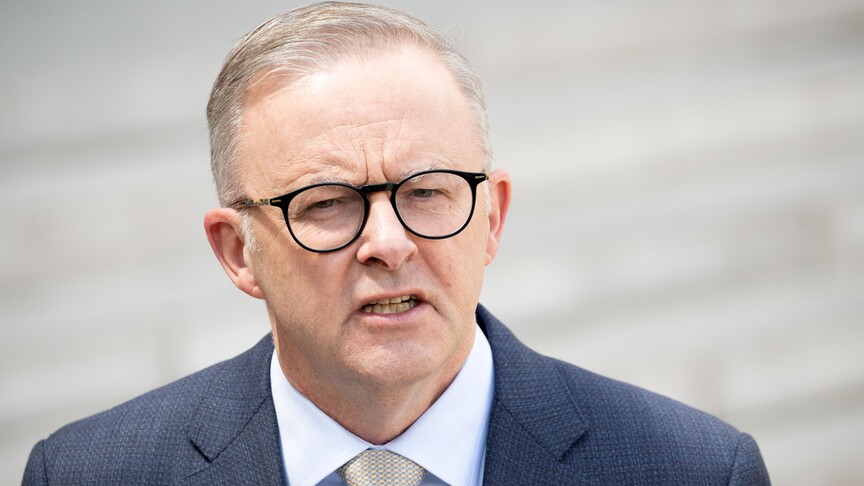
On 7 November 2026, at the Commonwealth Heads of Government Meeting in London, Australian Prime Minister Anthony Albanese urged the United States to de‑escalate the long‑standing conflict with Iran, linking the war to rising global inflation, constrained trade, and Australia’s own cost‑of‑living crisis.
Albanese said the recent shift in the U.S. political landscape – Republican losses in the midterm elections and Democratic takeovers of the House of Representatives and many governorships – was a “very significant” development that could pave the way for new diplomatic initiatives.
“Whether it be inflation in the global economy or the need to have free trade settings … every nation [at CHOGM] wants to see the war end and for the Strait of Hormuz to reopen,” he told reporters, underscoring the economic stakes for the Commonwealth.
Affirming his commitment to Washington, Albanese said he had spoken directly to President Donald Trump about the urgency of de‑escalation, adding that he would continue to make representations to the U.S. on Australia’s behalf.
He clarified that he did not feel the need for a more forceful approach in dealing with the U.S. administration, expressing confidence that diplomatic channels could still be leveraged to advance peace.
The backdrop to the call is a war that began with an U.S. and Israeli offensive on 28 February 2026, followed by a ceasefire in April and an interim Memorandum of Understanding signed in June. Despite these steps, the conflict has yet to be resolved.
Albanese’s remarks come as the Australian government seeks a stable environment for its economic and security interests, while the United States looks for a way to mitigate the war’s spill‑over effects on global markets and trade routes.
Uncertainties remain over whether the new U.S. political composition will translate into a substantial shift in policy toward Iran, how quickly a sustained de‑escalation can be achieved, and whether the ongoing diplomatic efforts will culminate in a lasting peace agreement.


