In brief
In a strategic response to heightened tensions following Russia's invasion of Ukraine, the Baltic States—Estonia, Latvia, and Lithuania—are determined to advance the Rail Baltica project, a high-speed railway aimed at linking the region with Poland and the broader European network. Initially envisioned as an ambitious transportation initiative, Rail Baltica has turned into a critical infrastructure project that the Baltics view as vital for their security against an aggressive Russia.
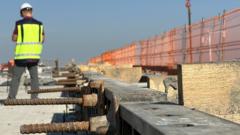
The railway, which spans 870 kilometers (approximately 540 miles), will allow for rapid travel across the three countries while cutting journey times significantly and bringing extensive economic benefits. However, the project has faced numerous challenges, including spiraling costs that have surged to €24 billion, a fourfold increase from initial estimates made in 2017. European Union funding has been crucial, covering about 85% of the total costs and recently giving an additional boost of €1.1 billion.Estonia's Infrastructure Minister, Vladimir Svet, emphasizes the urgency of the railway, noting that the link is essential as tensions rise in the region. "History is repeating itself," he warned, referencing Russian aggression reminiscent of past imperial ambitions. About 10,000 NATO troops are currently stationed in the Baltics, with plans for this force to potentially expand to 200,000.One significant advantage of Rail Baltica is its capability to enhance military mobility between NATO allies, allowing quick transportation of troops and supplies along the new line. Once completed, trains will operate at speeds of up to 250 km/h (155 mph), shrinking travel times dramatically. For example, the trip from Tallinn to Vilnius is expected to drop from over 12 hours to less than four.Despite the ambitious goals, the project has faced criticism for its piecemeal approach, starting with terminal constructions before laying down the tracks. Developers highlight that the unprecedented global crises, including the COVID-19 pandemic and inflation, have contributed to the soaring costs. Moreover, differing regulations among the three Baltic states pose additional challenges, prompting the decision to split the project into two phases.With anticipated delays and the need to secure substantial further funding, the future of Rail Baltica hangs in the balance. Estonia's national auditor warns of potential setbacks and emphasizes that the pressures to find funding are increasingly dire. Yet, Minister Svet remains optimistic, vowing to rationalize expenses.Ultimately, the Rail Baltica project represents more than just a transportation corridor; it embodies the Baltic states' aspirations for independence, integration into Europe, and the defense of their sovereignty against existential threats.