In brief
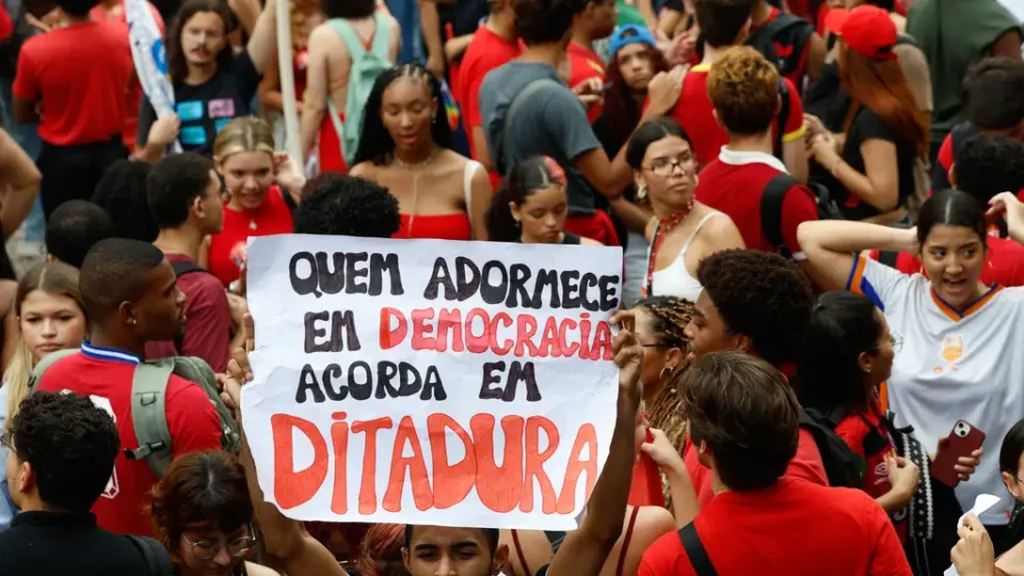
As Brazil's Supreme Court expands its influence to fortify democratic structures, debate arises over whether these measures act as a defense against threats or a potential authoritarian overreach.
Daniel Silveira, a former policeman turned hard-right Brazilian lawmaker, ignited controversy with an inflammatory diatribe aimed at Brazil's Supreme Court, accusing it of silencing conservative voices and threatening freedom of speech on social media. His critical remarks in a 2021 YouTube video quickly led to his arrest, with the court eventually sentencing him to nearly nine years in prison on threats against its judges. Though then-President Jair Bolsonaro attempted to pardon Silveira, the court's decision was unwavering, keeping him incarcerated and highlighting the institution's assertive role in Brazil's political sphere.Over the past five years, Brazil's Supreme Court has significantly broadened its powers to undertake a vehement campaign against perceived threats to the country's institutions, amplifying its reputation as either a stalwart of democracy or a looming risk to it. While the left perceives the Court's actions as a saving grace for democracy, the right raises alarms on its authoritarian tendencies, opening a contentious dialogue about the nature of judicial power and independence in Brazil's democratic setup. This growing institutional tension underscores the complex balancing act the court must navigate amidst polarization, seeking to protect constitutional stability while avoiding accusations of overreach.