---
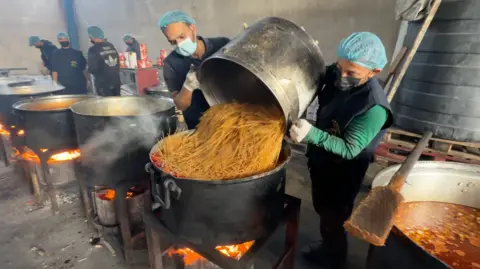
The devastating aftermath of U.S. aid cuts reflects a grim reality in Sudan, marked by civil conflict and profound humanitarian distress. The once-bustling soup kitchens in Khartoum, once vital lifelines for the besieged population, have nearly vanished in the wake of aid cessation initiated by President Trump.
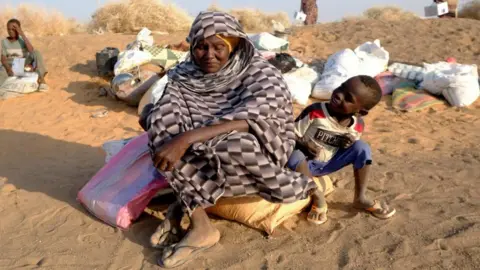
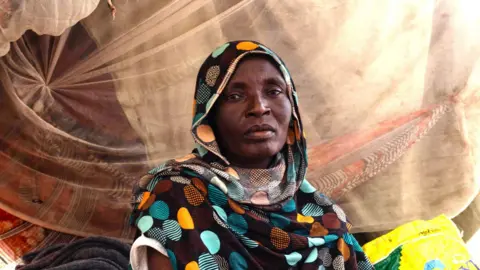
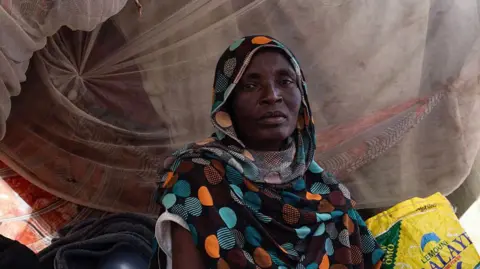
In Jereif West, the aftermath of violence is stark; witnessing the daily struggles of parents like Khadija Mousa, who desperately attempts to soothe her malnourished daughter, Fatima, encapsulates the tragedy hanging over this war-ravaged city. The alarming rate of starvation among children, evidenced by the loss of twelve young lives within just a few weeks, underscores the urgency of the situation.
Abdo, an 18-month-old boy, tragically exemplified this reality. Rushed to a local clinic by his mother, his frail body, characterized by protruding ribs, served as a haunting witness to the consequences of reduced U.S. support for humanitarian relief. Tragically, Abdo, too, succumbed to starvation, one of countless victims of a cascading crisis affecting millions – over half the country's population faces acute hunger.
Duaa Tariq, an aid worker active in the region, articulated the sentiment resonating across the city, describing the situation as “catastrophic.” The closures of soup kitchens, once crucial support systems funded by American aid, have occurred in mere days due to financial shortages, signaling a dire consequence of policy decisions made far from the battleground.
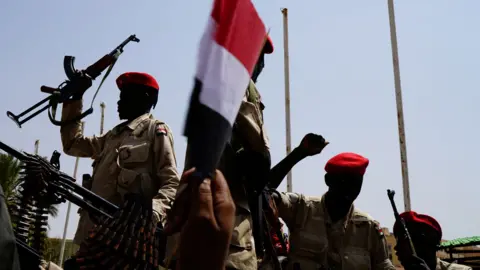
Glimpses of the ongoing violence—where gunfire and bomb blasts shake neighborhoods—serve as grim reminders of a humanitarian catastrophe that sees over 25 million Sudanese ensnared by dueling factions in a bitter civil war. Without immediate intervention, the repercussions of these aid cuts will alarmingly overshadow the already desperate living conditions faced by families and children in the heart of Khartoum.
The devastating aftermath of U.S. aid cuts reflects a grim reality in Sudan, marked by civil conflict and profound humanitarian distress. The once-bustling soup kitchens in Khartoum, once vital lifelines for the besieged population, have nearly vanished in the wake of aid cessation initiated by President Trump.
In Jereif West, the aftermath of violence is stark; witnessing the daily struggles of parents like Khadija Mousa, who desperately attempts to soothe her malnourished daughter, Fatima, encapsulates the tragedy hanging over this war-ravaged city. The alarming rate of starvation among children, evidenced by the loss of twelve young lives within just a few weeks, underscores the urgency of the situation.
Abdo, an 18-month-old boy, tragically exemplified this reality. Rushed to a local clinic by his mother, his frail body, characterized by protruding ribs, served as a haunting witness to the consequences of reduced U.S. support for humanitarian relief. Tragically, Abdo, too, succumbed to starvation, one of countless victims of a cascading crisis affecting millions – over half the country's population faces acute hunger.
Duaa Tariq, an aid worker active in the region, articulated the sentiment resonating across the city, describing the situation as “catastrophic.” The closures of soup kitchens, once crucial support systems funded by American aid, have occurred in mere days due to financial shortages, signaling a dire consequence of policy decisions made far from the battleground.
Glimpses of the ongoing violence—where gunfire and bomb blasts shake neighborhoods—serve as grim reminders of a humanitarian catastrophe that sees over 25 million Sudanese ensnared by dueling factions in a bitter civil war. Without immediate intervention, the repercussions of these aid cuts will alarmingly overshadow the already desperate living conditions faced by families and children in the heart of Khartoum.