
In brief
Merkel defends her legacy amid criticism of her policies on Ukraine and migration, while offering insights into the geopolitical landscape today.
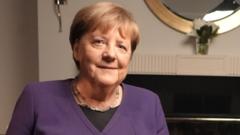
Angela Merkel, who served as Chancellor of Germany for 16 years, recently participated in a candid interview with the BBC's Katya Adler, sharing her perspective on pivotal moments during her leadership and their ongoing implications. Reflecting on her management of crises, including the 2015 migrant influx and Russia’s aggression towards Ukraine, Merkel addresses inquiries regarding her decision to block Ukraine's NATO membership in 2008. Critics have questioned whether that choice contributed to the current war, but Merkel argues that earlier NATO accession would have precipitated military conflict sooner, insisting Ukraine was not adequately prepared at that time.In the interview, Merkel expresses concern over Vladimir Putin's renewed nuclear threats, underscoring the need for proactive measures to avert any nuclear escalation. Her long-standing relationship with Putin has been under scrutiny, especially after he launched a full-scale invasion of Ukraine shortly after her departure from office. Merkel maintains that she pursued diplomatic efforts with Moscow, which she believed were essential for regional stability.Amidst growing unrest in Europe, she has found herself reflecting on her tenure, spotlighted by the publication of her memoir, "Freedom." As the German economy shows signs of distress due to sanctions on Russian energy, and the far-right political landscape gains traction, Merkel faces mounting pressure to defend her approach towards energy policy and migration.The former Chancellor acknowledges the criticisms leveled at her, particularly regarding the influx of over a million asylum seekers during the Syrian conflict in 2015, which polarized public opinion and invigorated anti-immigration sentiments. However, she stands firm on her choices, asserting that the way to counteract far-right ideologies is by tackling illegal migration and enhancing living conditions in Africa to diminish migration pressures.As the prospect of Donald Trump’s return to the White House looms, Merkel offers strategic advice for European leaders confronting a potentially volatile relationship with the U.S. She emphasizes the importance of clear communication, outlining priorities and maintaining composure when dealing with such outspoken leaders.Though challenged by critics, Merkel's insights invite a re-evaluation of her legacy as she navigates the ongoing crises that shape today's geopolitical landscape. Despite her significant influence during her years in office, Merkel admits she does not miss the responsibilities that came with it, as she focuses on contributing to the discourse surrounding the pressing global issues of our time.
