In brief
The U.S. forces stationed in Okinawa have extended the existing nighttime curfew for another month, the order taking effect on December 7 and applying only to personnel ranked below sergeant. The decision follows a murder‑robbery case involving U.S. serviceman Devin Ballard and a drunk‑driving arrest of a Marine, prompting Japanese officials to call for tighter discipline and training. Uncertainties remain about the long‑term impact and enforcement of the curfew.
According to a Xinhua report published on 2026‑11‑06, U.S. forces stationed in Okinawa, Japan, have decided to extend the nighttime curfew for one more month, with the order now in effect until December 7. The extension applies only to U.S. military personnel ranked below sergeant, leaving sergeants and those higher in rank exempt.
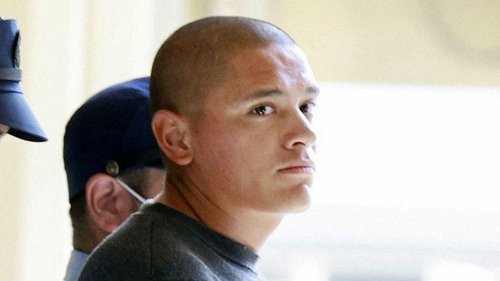
The curfew, originally imposed on October 9, had been put in place following the arrest of U.S. serviceman Devin Ballard, who was indicted on charges of robbing and murdering a local woman in Naha early in October. Additional incidents during the curfew period—including the October 31 arrest of a U.S. Marine in Okinawa City on suspicion of drunk driving—reinforced Japanese concerns about discipline among U.S. troops in the region.
Japanese officials have responded to the renewed curfew with calls for stricter enforcement and improved training for U.S. service members. Defense Minister Shinjiro Koizumi urged the United States to enforce military discipline more rigorously and to implement effective measures to prevent similar incidents. Meanwhile, Foreign Minister Toshimitsu Motegi confirmed that both governments had agreed to strengthen the education and training of U.S. service members to reduce the likelihood of future misconduct.
Background of the Curfew
The policy, which prohibits U.S. military personnel from going out between midnight and 5 a.m., was universally applied to all U.S. forces in Okinawa at the time of the original order. With the latest adjustment, only those below the rank of sergeant are now subject to the restriction, while all other ranks retain the same movement freedoms. The reason for the selective exemption, as stated in the Xinhua report, is not further elaborated, leaving questions about the criteria used to determine which personnel are considered at higher risk of misconduct.
Kyodo News reported that the curfew change represents a temporary measure aimed at stabilizing civil‑military relations while the U.S. deployment continues in the island chain.
Both Japanese and U.S. officials recognize that the curfew is a response to a series of incidents that have strained the diplomatic relationship between the two countries, particularly over the issue of U.S. military presence in Okinawa. The curfew is seen as a symbolic gesture to demonstrate a commitment to camaraderie and accountability despite the challenges posed by a long‑standing bilateral security alliance.
While the extended curfew demonstrates a willingness on the part of the U.S. military to address Japanese concerns, the effectiveness of the measure depends on whether stricter enforcement is achieved and whether the additional training for U.S. service members reflects a substantive change in conduct.
It remains unclear how the U.S. military will monitor compliance among staff below sergeant rank, whether additional curfew periods might be invoked in the future, or what specific educational reforms will be implemented by the joint U.S.–Japanese training agenda. The broader impact on the relationship between U.S. forces and the local Okinawan populace also remains an open question, as does the duration over which these disciplinary measures will continue to be applied. The Xinhua report notes that only the matters reported are confirmed, and no definitive timeline on when or whether further curfew extensions might occur has been established by either side. Therefore, uncertainties persist about enforcement, exemption criteria, and future policy developments beyond the current month-long extension.