
In brief
Russia and Ukraine detailed a surge in combat operations on 30 October 2026, with Russia noting 113 intercepted drones and a cargo‑vessel strike, and Ukraine recording 211 engagements and 1,590 Russian personnel losses. The conflict intensified attacks on energy infrastructure and civilians, prompting Ukrainian mourning and calls for a UN emergency meeting. President Zelenskyy is scheduled to meet Turkish President Erdoğan on Saturday, amid diplomatic tensions and calls for Black Sea security.
Moscow and Kyiv logged a tipping point of military activity on 30 October 2026 as both sides detailed a surge in strikes and casualties, while President Volodymyr Zelenskyy prepared to travel to Turkey for a security summit.
Russian military sources announced the successful interception of 113 Ukrainian unmanned aerial vehicles over multiple regions and a strike on a military cargo vessel south of Odesa.
Ukraine’s General Staff recorded 211 combat engagements on Thursday evening, claiming that 1,590 Russian personnel were killed in the past 24 hours.
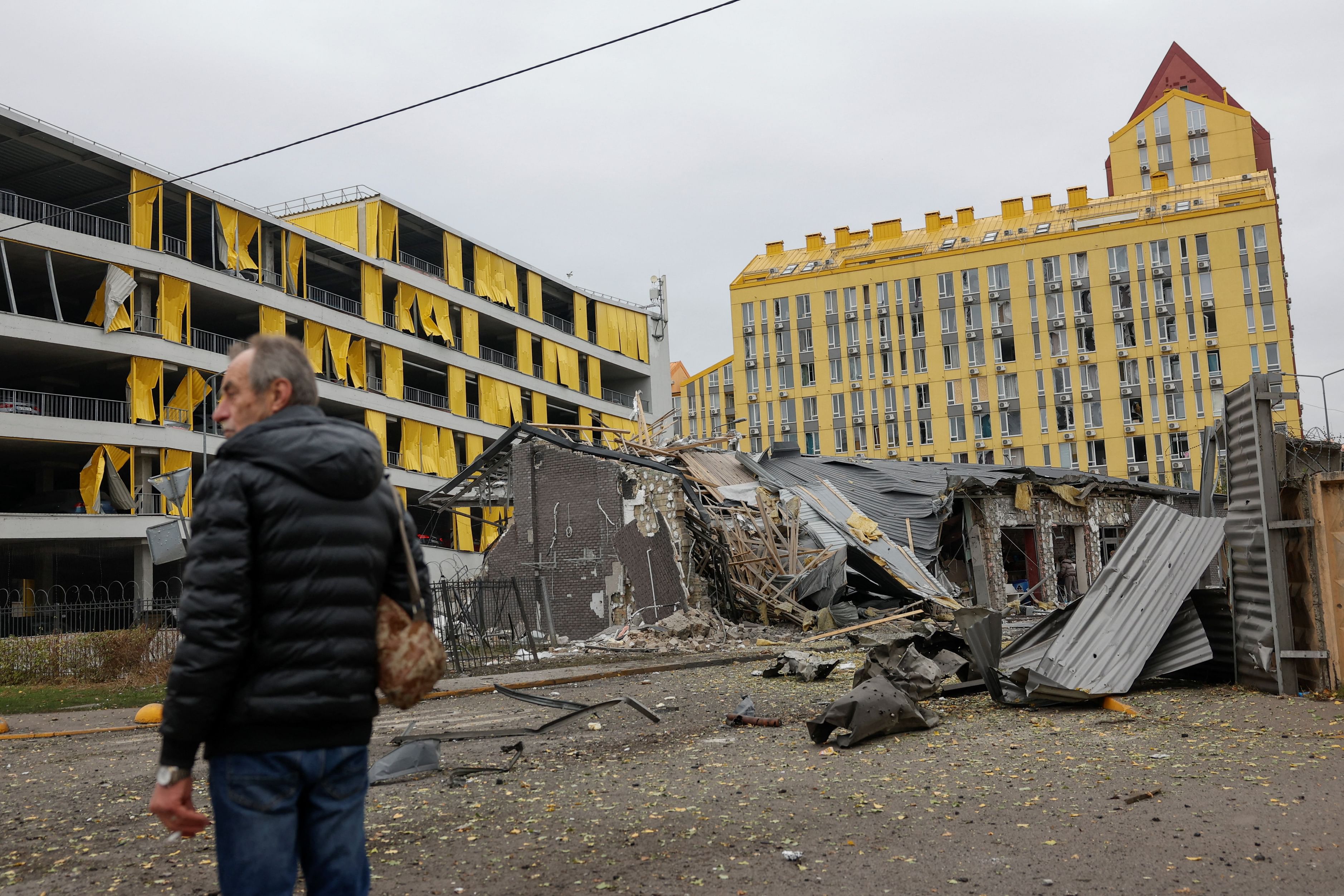
Ukrinform said recent Russian attacks had left dozens of civilians dead and wounded in Dnipro, Chernihiv and Kremenchuk, prompting Kyiv to declare mourning and call for a United Nations Security Council emergency meeting.
Alexey Likhachev, Director General of Russia’s state nuclear energy corporation Rosatom, accused Ukrainian authorities of targeting personnel at the Zaporizhzhia Nuclear Power Plant.
Both sides reported strikes on energy infrastructure; Russian attacks led to emergency power outages in the Dnipropetrovsk region, while Ukraine maintained that its strikes deep inside Russian territory were a legitimate response.
Russian Deputy Prime Minister Alexander Novak said Ukrainian attacks had targeted three oil refineries and a petrochemical complex, warning that the impact on global diesel markets would be limited.
Alexander Novak said, “Ukrainian attacks have hit three oil refineries and a petrochemical complex, but the effect on global diesel markets will be limited, despite Russia’s plans to increase exports.”
Dmitry Peskov, Kremlin spokesman, defended Russian operations, saying they were intended to deprive Kyiv of its offensive capabilities.
Dmitry Peskov remarked, “Our military actions are designed to strip Kyiv of its offensive strength.”
In diplomatic developments, President Zelenskyy is scheduled to visit Turkey on Saturday at the invitation of President Recep Tayyip Erdoğan to discuss Black Sea security and other conflict‑related issues.
Meanwhile, the Kremlin denied any knowledge of a proposal by former U.S. President Donald Trump for a possible three‑way telephone call involving Russian, U.S. and Ukrainian leaders.
The escalating attacks have deepened the crisis, setting the stage for the upcoming talks, but the precise military costs, the real impact on global energy markets, and the outcomes of Zelenskyy’s visit remain unclear.


