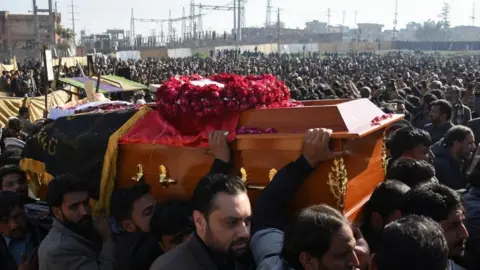
In a troubling display of rising tensions, public outrage has erupted in India following a brutal attack in Kashmir that claimed the lives of 26 individuals, primarily Hindu tourists. The incident has ignited a robust backlash against Muslims, resulting in thousands being detained and their residences destroyed.
The Indian government, led by Prime Minister Narendra Modi, has hinted at an impending military response towards Pakistan, accusing its neighbor of masterminding the attack—a claim that Pakistan refutes. Modi's vow to hunt down militants and eliminate their bases has heightened fears of military escalation in the region.
Reports of violence targeting Muslims have surfaced in states like Uttar Pradesh and Karnataka, raising concerns over hate crimes. Within Kashmir, authorities have intensified security measures, resulting in mass arrests and the demolition of homes linked to alleged terrorists.
This backlash against Kashmiris has morphed into widespread anti-Muslim sentiment, which analysts suggest serves to further demonize Muslims, a tactic historically employed by Modi's party to rally India’s Hindu majority during moments of crisis.
Moreover, the expulsion of more than 80,000 Afghan refugees from Pakistan since March 31 adds another layer of complexity to the regional tensions, showcasing the intertwined fates of different communities amidst national conflicts. As the situation unfolds, observers are left questioning the potential for reconciliation or further division.