
In brief
In South Sudan's Unity State, climate-driven floods have become increasingly severe, exacerbating contamination from oil, leading villagers to face dire conditions as they struggle for safe drinking water while contending with health issues linked to pollution.
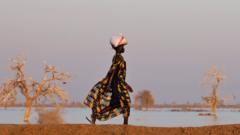
In the heart of Unity State, South Sudan, residents are wrestling with a dual crisis: relentless floods and the pervasive contamination of their water supplies due to oil practices. Villagers, such as the herder Chilhok Puot, express their desperation, saying, "The water is dirty because this place has oil - it has chemicals in it." Many families, like that of Nyatabah who raise cattle, are well aware of the dangers of consuming tainted water. "If you drink it, it makes you pant and cough," she explains. Despite this, the community is left with little choice, stating simply, "We know it's bad water, but we don't have anywhere else, we're dying of thirst."Former oil engineer David Bojo Leju, who worked with the Greater Pioneer Operating Company, emphasized that flooding has intensified due to climate change — disrupting oil facilities and washing pollutants into essential water sources. "Flood pollution is a silent killer," he describes, as the state grapples with its ever-changing climate, leading to prolonged inundation of land once deemed safe.The road from drought to extreme flooding has been rapid for South Sudan, a country still navigating its post-independence challenges. After catastrophic rains in 2019 left two-thirds of Unity State underwater, the affected communities have struggled without adequate access to clean water — with WFP estimating nearly 40% of the region remains submerged.Bojo Leju shares personal accounts of harsh environmental realities, revealing a culture of negligence regarding oil spills and their aftermath. The lack of proper treatment for harmful "produced water" from oil extraction has resulted in unsanitary drinking sources for residents, leading to alarming birth defects and health issues tied to the regional pollution crisis. "The water table is contaminated," he warns, and those downstream, including livestock, are suffering.Community members suffer the consequences of pollution, such as cattle deaths and disease. Mothers in hospitals face heartbreak when delivering children with severe deformities attributed to the toxic environment, as observed by health professionals like Dr. Samuel Puot. He notes, "They just drink from the river where water and oil are mixed."Calls for accountability from government officials and environmental advocates persist, but a history of conflict and systemic corruption has stymied efforts to reform the oil industry. More than a year has passed with no transparent results from an audit into oil contamination impacts, leaving citizens questioning their safety and their government’s stewardship of resources.Despite the overwhelming challenges, hope persists among the people of Roriak. Many dream of a future where they can revive their agricultural lifestyle once the waters recede—and young children play creatively, shaping miniature homes from the clay around them. While scientists caution that climate conditions may remain altered indefinitely, the resilience of these communities underscores the human spirit's pursuit of a return to normalcy—even in the face of adversity.
