
In brief
The Valencia region has suffered an acute loss of life from the recent flash floods, with over 200 confirmed deaths. Investigating factors like urban planning failures, emergency response timeliness, and climate change reveals troubling insights into this catastrophe.
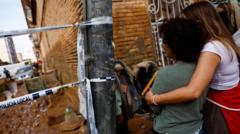
As Spain mourns the aftermath of catastrophic floods that have claimed more than 200 lives, the Valencia region remains at the heart of the tragedy. The town of Paiporta, home to around 25,000 residents, has reported at least 62 fatalities, a stark reminder of the risks posed by erratic weather patterns intensified by ongoing climate shifts.Multiple elements contributed to these alarming numbers, including individuals trapped in their vehicles, inadequate disaster response measures from local authorities, and unprecedented rainfall amounts linked to climate change. The civil protection agency had issued a late emergency alert to could-be victims shortly after 20:00 local time, but by then, floodwaters were already surging in many neighborhoods.Given the town's geography—featuring a central ravine—Paiporta bore the brunt of the torrential rains. Mayor Maribel Albalat noted that many households were ill-prepared for such an event, with numerous ground-floor flats and a general laxity toward flood risks causing residents to underestimate the potential severity. Six elderly residents tragically died when waters inundated their care home due to their proximity to the ground level.Eyewitness accounts describe a chaotic scene as the first surge of water hit, creating moments of panic for drivers. Many lost their lives as they attempted to escape rising waters, particularly in the La Torre neighborhood, where seven bodies were found in a flooded garage. The dense population in cities like Valencia exacerbated the chaos, with individuals caught on major thoroughfares such as the A3 motorway unable to safely decide whether to remain in their vehicles or venture out.Dangers also lay in the garages where people typically sought shelter during rains. The local mayor conveyed that many residents instinctively rushed to their car garages out of concern for potential flooding, tragically leading to several of the lives lost during the storm.The area's infrastructural challenges played a significant role in worsening the flood's impact, especially considering the historically low rainfall levels leading up to the event. Researchers like Pablo Aznar have pointed out how rampant urban development—resulting in surfaces that cannot absorb moisture—has amplified the risks during extreme weather events such as these.Compounding these issues, scientific investigations revealed that rainfall in the region was 12% heavier than it would have been without the influence of climate change, making such extreme weather occurrences significantly more probable.As Spain braces for further rain alerts, there remains a urgent need to address both the immediate responses to such disasters and the broader implications of urban planning in an era increasingly characterized by climate instability.
