
In brief
Russia and Belarus have commenced their joint military exercises, Zapad 2025, raising alarms in Kyiv and surrounding nations. This year's drills, which involve troops simulating defensive operations, have reignited fears of potential aggression from the East. With previous exercises preceding invasions, the international community is on edge as regional leaders express significant concerns regarding the implications these drills may have for European security.
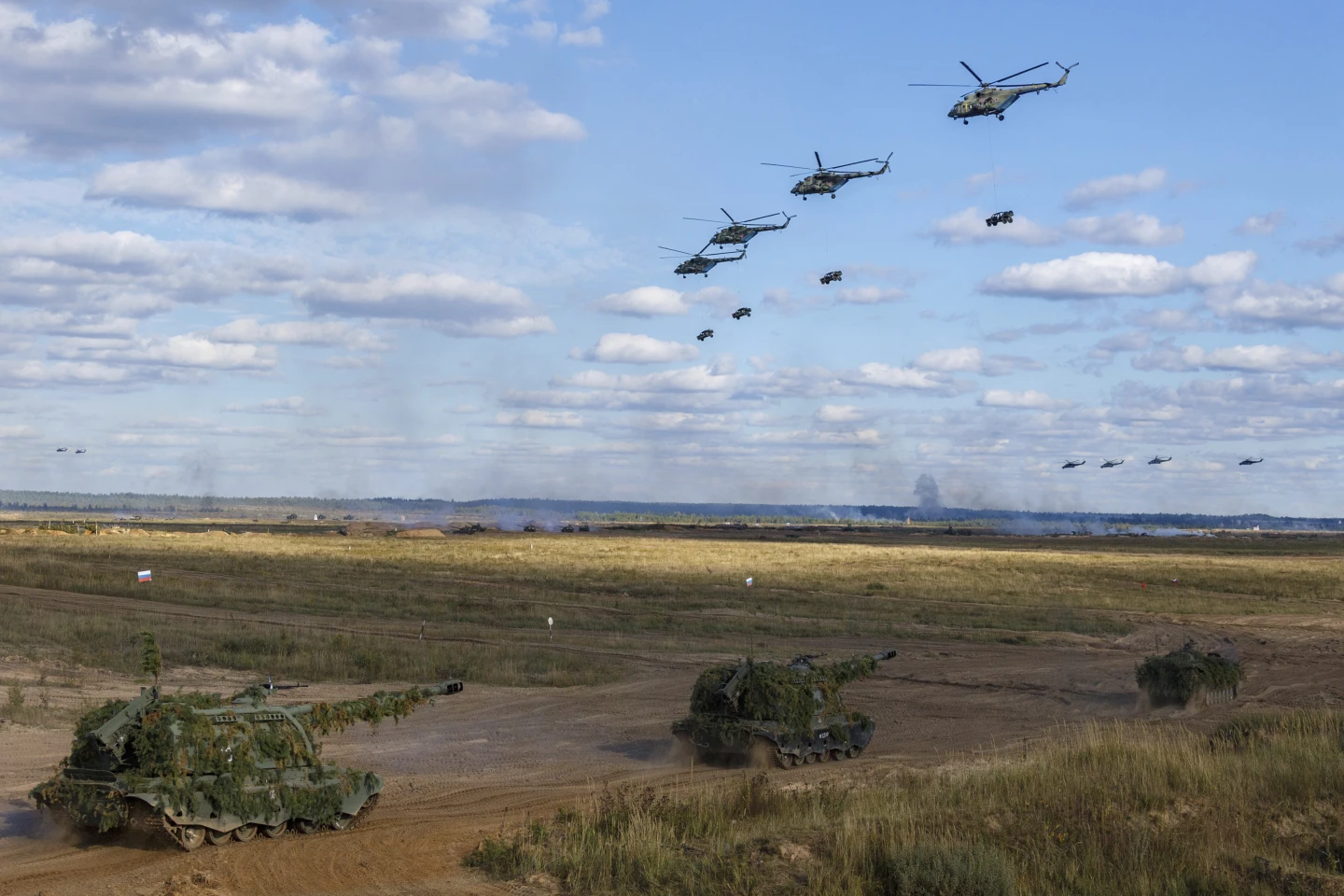
TALLINN, Estonia (AP) — As Russia and Belarus embark on their joint military drills known as Zapad 2025, concerns are mounting in neighboring nations reminiscent of the precursors to prior military interventions. The troops are set to simulate defensive maneuvers against hypothetical aggressors, a move seen as a demonstration of the solidifying ties between Moscow and Minsk amidst the backdrop of Russian military actions in Ukraine.
The exercises, running from September 8 through September 16, are interpreted by many in Kyiv and neighboring countries, including Poland and the Baltic states, as a potential precursor to escalated military actions. Notably, Russian President Vladimir Putin's forces crossed into Ukraine from Belarus just days after a previous joint exercise in 2022, igniting fears that history may repeat itself.
The Ukrainian Foreign Ministry issued a statement condemning the drills, arguing they pose an immediate threat not just to Ukraine, but also to European security. Polish Prime Minister Donald Tusk voiced similar concerns, particularly after reported incursions of Russian drones into Polish airspace originating from Belarus.
A significant backdrop to this year's exercises is the involvement of nuclear-capable intermediate range weapons that Russia promises to supply, raising the stakes of these military drills beyond mere conventional warfare simulations.
While Belarus initially projected an engaging force of 13,000 troops, the scale has been adjusted downward during the announcement phase, indicating logistical challenges stemming from Russia’s involvement in Ukraine. Nevertheless, the implications of such operations near NATO borders have not gone unnoticed, as members ramp up their military readiness and responses amid perceived provocations.
In the face of increasing military activity, Western nations remain wary, cautiously monitoring the situation while conducting their military exercises in tandem, essentially a show of force against the backdrop of potential Ukrainian escalations in the region.

