
In brief
In a haunting visit to el-Geneina, the capital of West Darfur, international officials address the dire humanitarian crisis resulting from severe violence and famine since the war erupted. Survivors recount horrific experiences and chronic food shortages while aid efforts struggle to respond adequately to the escalating humanitarian disaster.
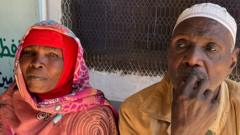
In the shattered remains of el-Geneina, a town engulfed by conflict and despair, the deserted structures echo stories of horror and desperation. Once vibrant, its abandoned homes, bullet-riddled shops, and derelict army tanks now serve as grim reminders of atrocities that have transpired over the past year amid Sudan’s brutal war. “It was utterly chilling to drive through these smoked-out ruins and ghost towns,” remarked Tom Fletcher, the new head of UN humanitarian relief, marking only the second visit by a senior UN official since violence erupted 19 months ago.With humanitarian crises spiraling out of control, Fletcher categorized Darfur’s situation as one of the gravest concerns. He pointed to the overwhelming threats of violence, sexual assault, and the looming specter of famine that has led to mass suffering in the region. Following extensive negotiations with conflicting factions—the government-led Sudanese Armed Forces (SAF) under Gen Abdel Fattah al-Burhan and the paramilitary Rapid Support Forces (RSF) led by Gen Mohamed Hamdan Dagalo—Fletcher’s visit highlights the complexities of delivering aid in war-torn areas.Human rights organizations, including Human Rights Watch, have documented systematic assaults against the predominantly non-Arab Masalit community, classifying these actions as ethnic cleansing and potential war crimes. Thousands of civilians, including Arab residents, have been casualties of the chaos, with reports suggesting that the violence claims up to 15,000 lives across two significant massacres in the area.In search of safety, many Sudanese have crossed into Chad, where makeshift camps house those fleeing el-Geneina. A 14-year-old girl sharing her harrowing escape detailed the loss of family members to indiscriminate killings and spoke of the perils of traveling under the cover of night. The agony faced by families forced to leave their homes is echoed across countless testimonies seen in the camps.At an informal facility near the border, the overwhelming need for food, clean water, and education became apparent. Sudanese women from el-Geneina gathered to share their struggles, emphasizing the dire situation that has left them without resources to survive. The UN’s pleas for aid come amid an acute humanitarian crisis, overshadowed by the international community's preoccupation with other global conflicts.In a health center within a displacement camp, survivors reflected on the reality of their existence, while Fletcher listened intently, acknowledging the depth of their suffering. The challenges faced by the UN and local NGOs were compounded by a lack adequate resources and government cooperation.Organizations working on the ground lamented their uphill battle in addressing a crisis where urgency goes unnoticed by the wider world. “It’s one of the worst conflicts we've seen in recent memory,” reiterated aid officials, as the desperation in Darfur continues to rise amidst an unyielding landscape of silence and indifference.As Fletcher navigates the diplomatic landscape of Sudan, he remains focused on negotiating better access for humanitarian efforts. Hope for change hangs precariously in the balance as the conflict ravages the lives of countless civilians yearning for intervention in the “toughest crisis in the world.”


