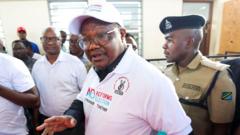
Tanzania's political landscape has taken a sharp turn as the Independent National Elections Commission announced the disqualification of Chadema, the main opposition party, from the upcoming elections set for October. This decision comes just days after Tundu Lissu, the party's leader and a prominent figure in Tanzanian politics, was arrested and charged with treason following a public rally where he advocated for essential electoral reforms.
According to Ramadhani Kailima, the director of elections, Chadema's inability to sign a code of conduct document by the stipulated deadline led to its exclusion. Additionally, Kailima declared that the party would remain banned from participating in any by-elections until the year 2030. This development seemingly bolsters the ruling CCM party’s (Chama Cha Mapinduzi) grip on power, which it has maintained for nearly six decades.
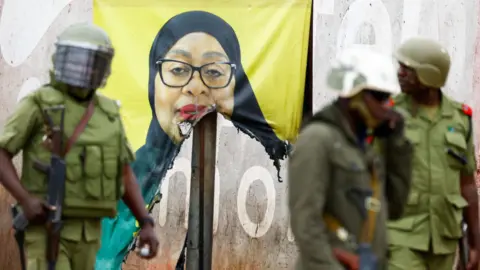
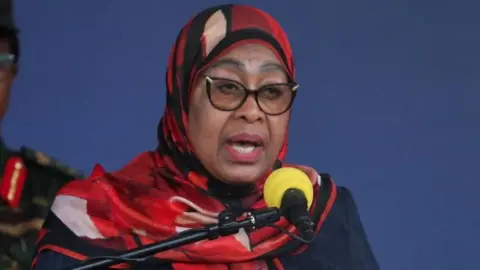
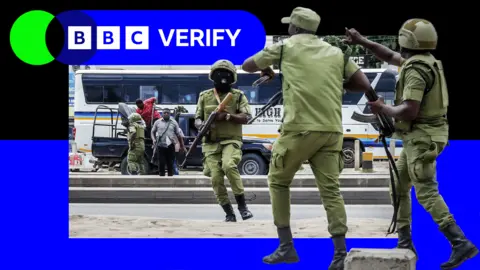
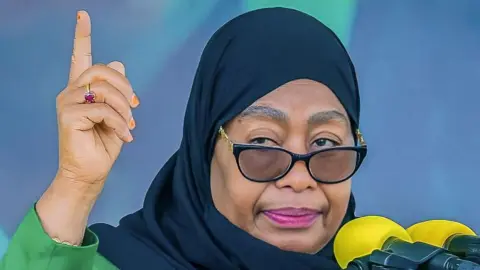
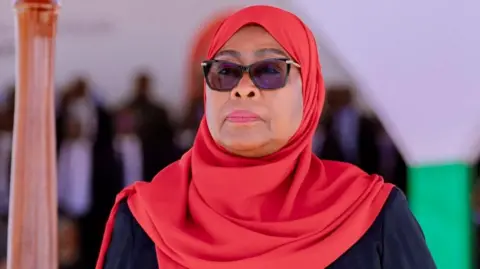
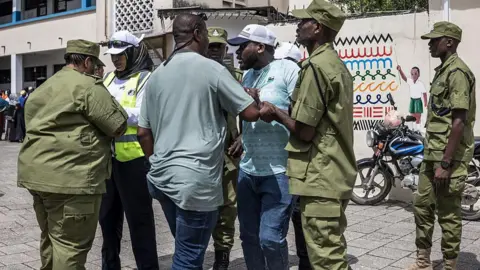
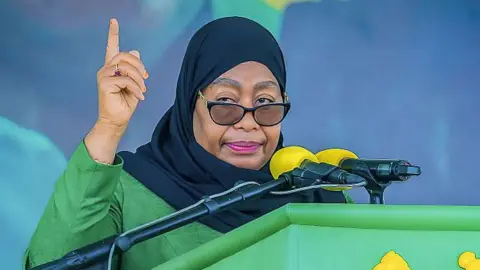
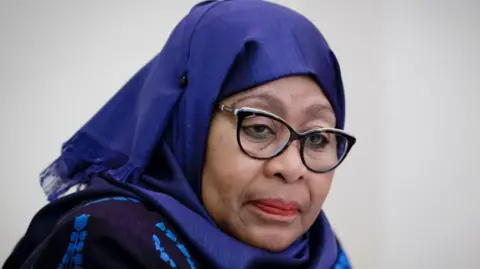
Chadema's leadership under Lissu has been characterized by a robust opposition to what many observers describe as an increasingly authoritarian government. Since assumed office in 2021, President Samia Suluhu Hassan initially drew praise for rolling back some authoritarian measures from her predecessor, John Magufuli. However, critics argue her administration has recently intensified political crackdowns, with numerous arrests and alleged abductions of opposition members, allegations the government refutes while launching investigations into such claims.
Lissu, known for his slogan "No Reforms, No Election," has posited that free and fair elections are unattainable without significant changes to the electoral process, particularly regarding the composition of the electoral commission. Under the administration's scrutiny, Lissu has been remanded in custody as his treason case awaits a hearing slated for April 24. His legal representation asserts that the charges against him are politically motivated and a tactic to silence dissent.
With a long history of political strife and opposition suppression, the current trajectory suggests that Tanzania's political future may be fraught with further conflict as the nation approaches its critical election period.