
In brief
"In the wake of Cyclone Chido, which ravaged Mayotte, survivors like Zinedine Mohamed and Yasmine Moussa share their traumatic stories while expressing frustration over the lack of governmental support. As the death toll rises, the community strives to piece their lives back together amidst immense loss."
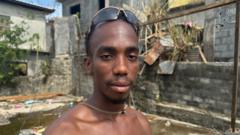
On the night Cyclone Chido struck Mayotte, the French Indian Ocean territory was gripped by devastation, leaving countless families in ruins. Zinedine Mohamed, a 20-year-old tourism student, found himself in a precarious situation as he and his family hunkered down in their makeshift home. Although warned of the impending cyclone, Zinedine dismissed it, having experienced milder storms in previous years. However, this cyclone’s ferocity surpassed anything previously encountered, with winds exceeding 124 mph (200 km/h) that would soon inaugurate a tragedy.As the storm unleashed its fury, Zinedine’s maternal instincts kicked in. Despite persuasive warnings, his mother was reluctant to leave their home. When the chaos began, he took swift action, sheltering his younger siblings and attempting to coax his mother away from the danger. With debris flying and his mother's terrified grip on her infant, Zinedine declared, “I’d rather die than leave my mum to die.” The emotional toll weighed heavily, though, as they all survived, their belongings lost to the tempest.Now, Zinedine faces the daunting task of rebuilding. Logistics for materials grew increasingly challenging amid soaring demand but he sought solace in salvaging remnants of his former home. He lamented the lack of government support, a sentiment echoed throughout the island where overwhelmed residents rallied to gather resources.Many, like 18-year-old Yasmine Moussa, who was forced to seek refuge in a makeshift shelter with her three children, shared their own desperate narratives. She spoke of how the storm transformed once-familiar streets into nightmares, her home reduced to rubble and memories adrift in the floodwaters, leaving her to question safety and stability in their temporary refuge. While some donations trickled in from volunteers and local efforts, a critical response from the government remained scarce. President Emmanuel Macron's visit was marred by protests from the distraught and angered survivors, mourning not just their lost homes but their unmet needs for safety and sustenance, as at least 100,000 people found shelter across the islands. Amid rising cost fears associated with potential aid, many advocates for the island’s recovery pointed to the urgent human realities of the situation, with Zinedine firmly stating, “We’re humans at the end of the day. And we need help.”

