
In brief
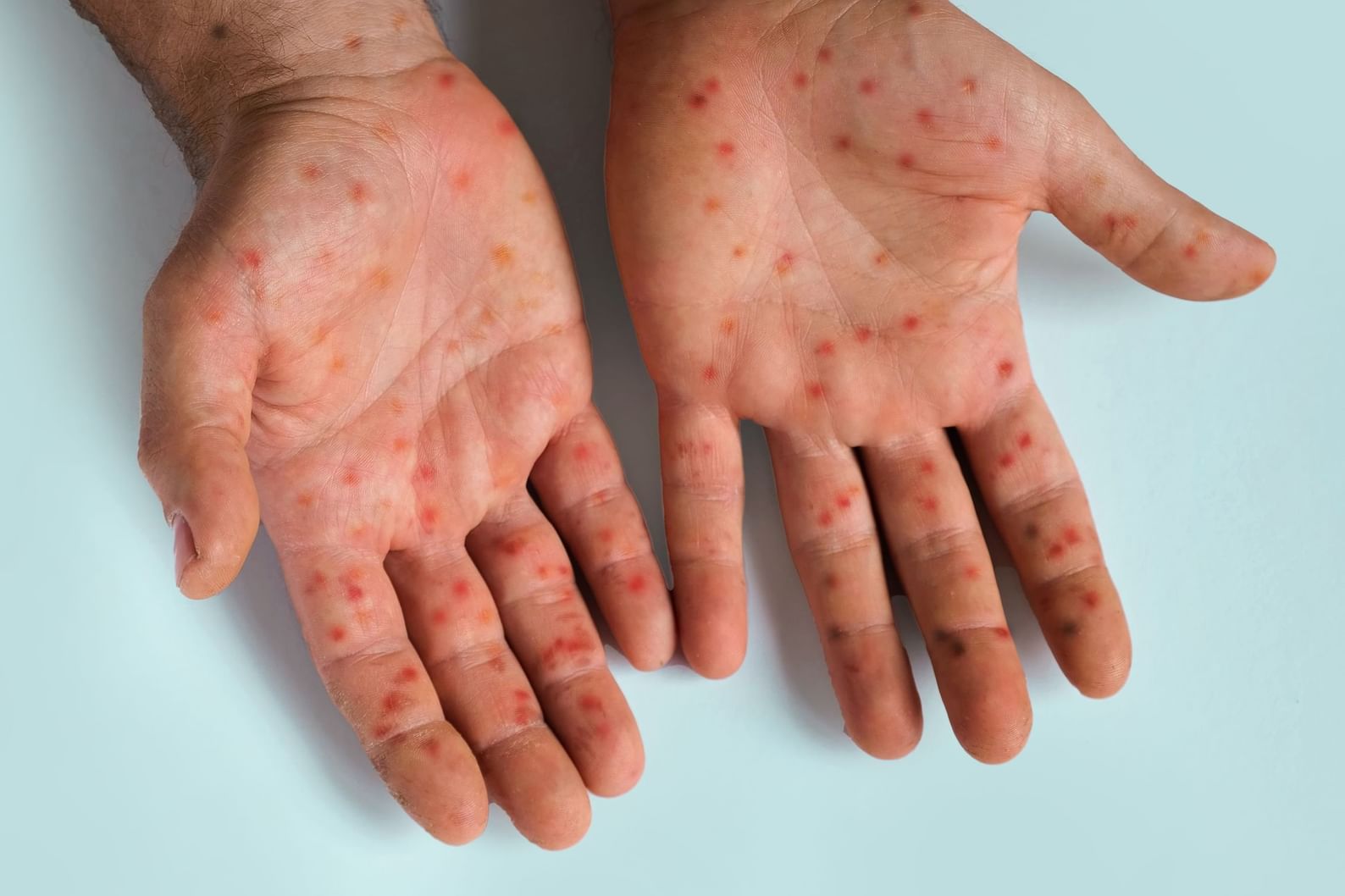
In October 2026, Bangladesh experienced its highest monthly dengue death toll of the year, with 418 fatalities and over 133,000 people hospitalized. Experts caution that the outbreak is unlikely to ease significantly before December, even as the country battles a severe measles epidemic that has already claimed over 1,200 lives. The situation strains an already stretched healthcare system, leaving uncertainty over how the next months will unfold.
Bangladesh recorded 418 deaths from dengue fever in October 2026, the highest monthly toll of the year, according to data released by the health ministry on 30 October, a day before the WAM report.
Health officials said that as of that date the country had logged more than 133,000 hospital admissions related to dengue for the year, a figure that reflects the extensive strain on hospitals already stretched by the world’s worst measles outbreak.
The October death toll surpassed September’s 148 deaths, and October’s 173 deaths were the most in any single month of 2026 according to ministry figures. The rise came as WAM experts warned that the dengue outbreak would unlikely ease significantly before December, even as they noted ongoing efforts to manage the measles crisis that has killed over 1,200 people.
Experts cited multiple factors that may sustain the transmission of the virus, including increased rainfall and expanding mosquito breeding sites. They also highlighted challenges such as limited availability of intensive care units and shortages of antiviral treatments, which could contribute to higher fatality rates.
Meanwhile, Bangladesh’s measles outbreak has escalated to a global scale. According to the same report, more than 1,200 deaths have been attributed to measles this year, adding further pressure on already overburdened hospitals.
The health ministry’s data also underline a growing trend of dengue cases in rural areas, where access to medical care is often limited. This spread is believed to complicate early detection and timely treatment, critical factors in reducing mortality.
Public health agencies have urged the public to remain vigilant, especially in areas prone to flooding. They also called for increased public education on preventing mosquito breeding and early recognition of dengue symptoms, while simultaneously intensifying vaccination drives for measles.
Despite these measures, authorities admit that the situation remains fluid, and the current forecast does not guarantee a sharp decline in cases or deaths before the end of the year.
Key uncertainties highlighted by health officials include the exact pace at which dengue transmission rates might drop and the effectiveness of ongoing public health interventions in curbing both dengue and measles fatalities. The future course of Bangladesh’s dual outbreaks remains uncertain, and continued monitoring is essential to gauge potential developments and adjust strategies accordingly.
