
In brief
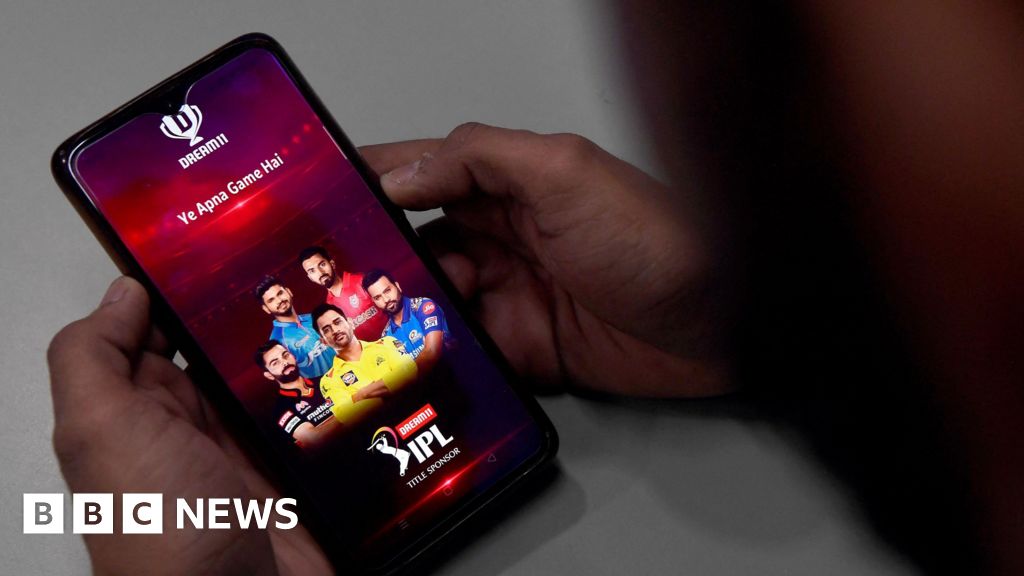
The Indian government's recent ban on online betting apps, including notable platforms like Dream11, marks a significant shift in the country's gambling landscape. With concerns over addiction and financial distress driving this legislative change, the ban raises questions about consumer rights and the future of the gaming industry in India. Stakeholders warn that this action could push millions towards unregulated platforms, amplifying the very issues the legislation aims to mitigate.
Kartik Srinivas (name changed) still flinches at the mention of online betting. What began as a thrill to earn a quick buck spiraled into a five-year addiction that cost the 26-year-old his savings, peace of mind, and nearly his future. Between 2019 and 2024, Srinivas lost more than 1.5 million rupees ($17,000; £13,000), consisting of his earnings and loans from friends and family. I tried everything - apps, local bookies, international platforms. I was hooked, he says.
Days ago, India passed a bill outlawing online money games, citing an increase in addiction and financial hardships among players. The new law imposes severe penalties for offering or enabling such services while users are not considered offenders but victims.
The government claims 450 million Indians have been harmed by online money games, which have resulted in significant losses and instances of depression and suicide. However, industry experts have called the ban a knee-jerk reaction that jeopardizes a sector that had generated approximately $2.3 billion in annual taxes and provided over 200,000 jobs.
Critically, the law does not differentiate between 'games of skill' and 'games of chance', banning both categories. Previous judicial rulings had classified many online games as skill-based, leading to concerns that the ban might disproportionately affect businesses like Dream11, valued at $8 billion, and My11Circle, which are now ceasing operations related to real-money gaming.
Barring these platforms might drive players towards illicit options, claiming that regulated platforms provided some consumer protections. Critics have argued for a more informed approach, suggesting that enhanced awareness of gambling's risks would be more beneficial than a blanket prohibition.


