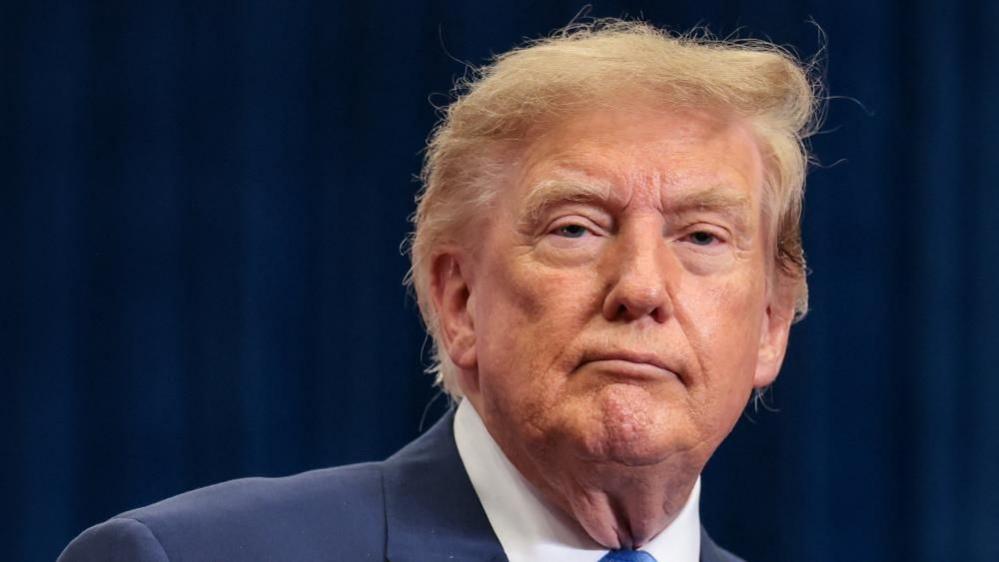
President Donald Trump has become notorious for his guttural "quiet" outbursts aimed at reporters. These vocal bursts erupt most often when the president is confronted with questions that touch on subjects he considers vulnerable or embarrassing.
BBC journalist Tom Bateman’s recent analysis pinpoints a handful of recurring themes that trigger these reactions. First, inquiries about alleged lobbying or diplomatic maneuvers that could reflect poorly on Trump’s business interests. Second, questions regarding his stance on the 2024 presidential run or any potential succession plans. Third, probe into his personal finances, especially during the period of his wealth‑in‑and‑out controversies.
While the public can read a politician’s intention from a measured response, Trump’s angry paragraphs are designed to silence reporters and deflect scrutiny. Staff observers note that this technique can also be a calculated strategy to distance the press from controversial details. However, the repeated use of “quiet” has largely backfired, leading to negative media coverage and criticism of Trump’s mannerisms.
Additionally, the aversion to female reporters appears to be a persistent factor in the president’s hostile behavior. Analysts claim the misogynistic undercurrent has been present in an extended trail of retorts, ranging from personal harassment to outright aggression.