'Incredible' SpaceX Rocket Sighting Off Christmas Island Coast
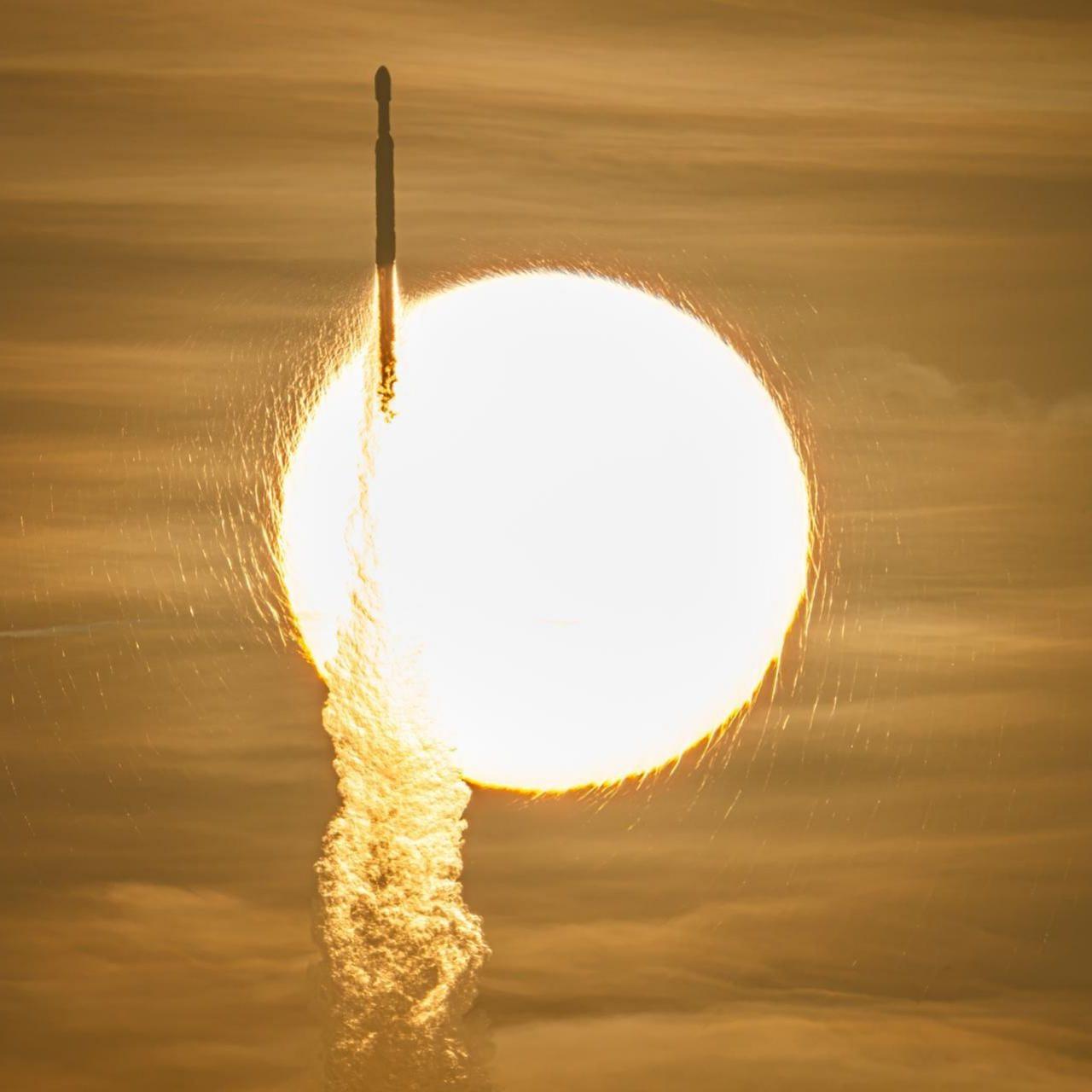
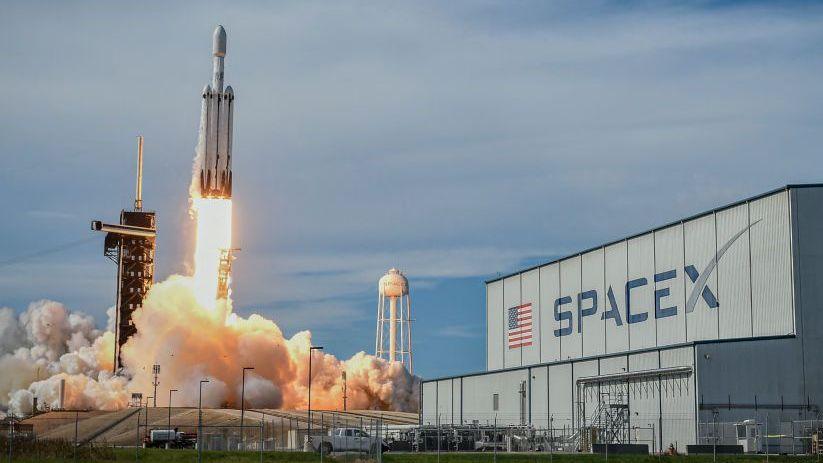
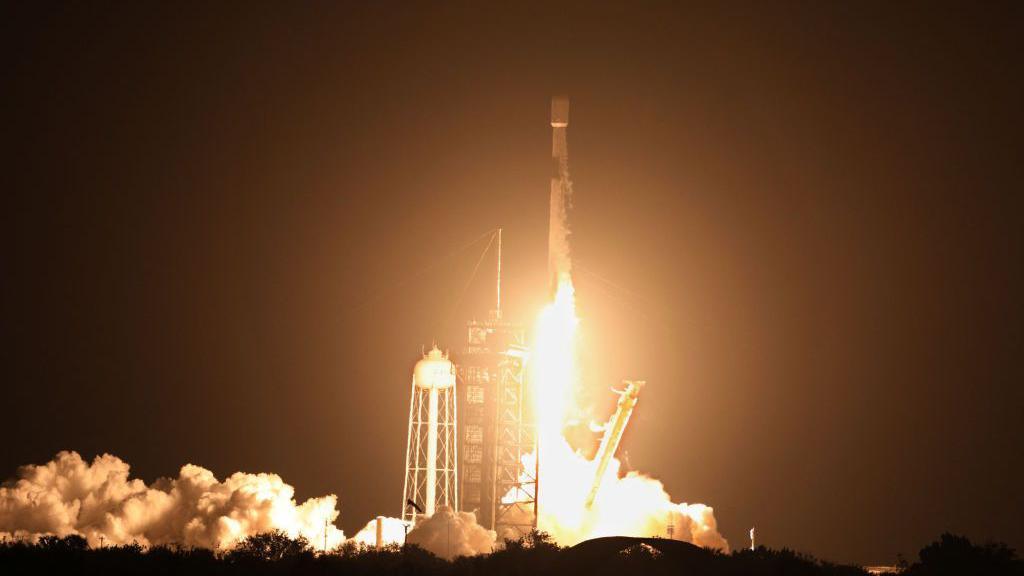
Late on the evening of 24 July, after a successful test flight from Texas, a 52‑metre Falcon 9 rocket landed in the open waters of the Indian Ocean. The rocket, left unattended for a period before being towed, appeared off the coast of Christmas Island, the remote Australian territory in the Pacific. A burst of activity erupted as locals swarmed the shoreline, fishing trawlers pivoted, and yachts were repositioned to capture the sighting.
David Watchorn, chair of the Christmas Island Tourism Association, described his initial shock: “I thought I was seeing ships on my way to work, then I realised it was a rocket, a space rocket.” He continued that, “It’s really incredible to think about what it’s been through.” Visitors described a mix of awe, curiosity and a palpable sense of being part of history. Some had to leave work to catch a glimpse, others gathered their boats to study the craft’s remnants.
According to satellite data, the Falcon 9 performed a vertical landing on a water platform and was later pushed by a tug to the island for public viewing. The event highlights SpaceX’s push to test new landing technologies on remote sites – a strategy that could transform launch schedules and reduce costs. Industry analysts speculate that this could be a pilot for future missions that require more flexible landing zones, especially as interplanetary travel becomes more feasible.
While the rocket remains mainly intact, the local tourism board is already arranging guided tours, offering educational briefings on NASA’s orbital mechanics and SpaceX’s reusable rocket strategy. The incident has also sparked debate over maritime safety and the environmental impact of towed rockets. As more timelines anticipate the full rollout of SpaceX’s Starship, such sightings will likely grow more common – turning fire‑cradled beginnings into a global visual spectacle.
The sighting, logged at , will be monitored by space‑watch enthusiasts worldwide, with many hoping the events are just the start of an unprecedented launch era. Future feeds will track the next steps, including the rocket’s repatriation and any follow‑up missions that might optimise alternate and unconventional landing strategies.