When the United States marked the quarter‑century of its independence, broadcasters and scholars alike turned to audiences around the world to hear what America meant to them. In a BBC‑led experiment, residents of Brazil, Egypt, India, Australia, Canada and the UK were asked one simple question: how do you view the US today? The responses revealed a remarkably divided picture, mixing admiration for democracy and technology with criticism over polarization and legacy issues.
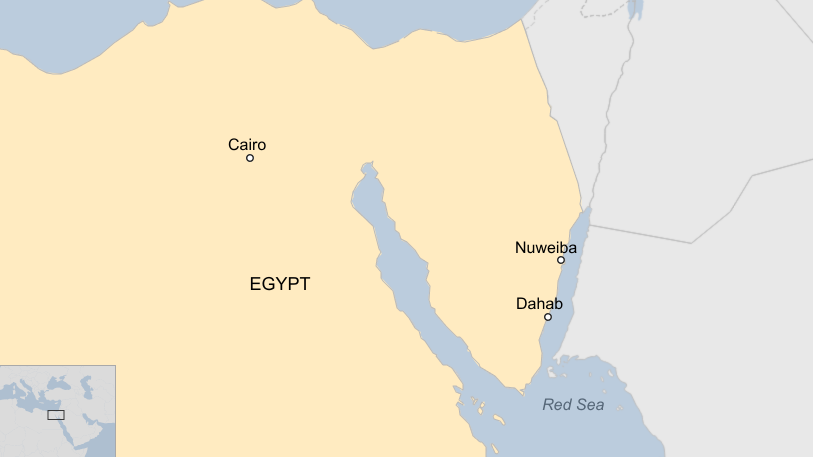
In Brazil, many linked the US to entrepreneurial spirit, applauding its economic innovation while warning against cultural imperialism. Egyptian respondents, in contrast, cited hopes for democratic reform but flagged concerns over geopolitical tensions. Indian voices highlighted both American scientific leadership and a heightened sense of inequality.
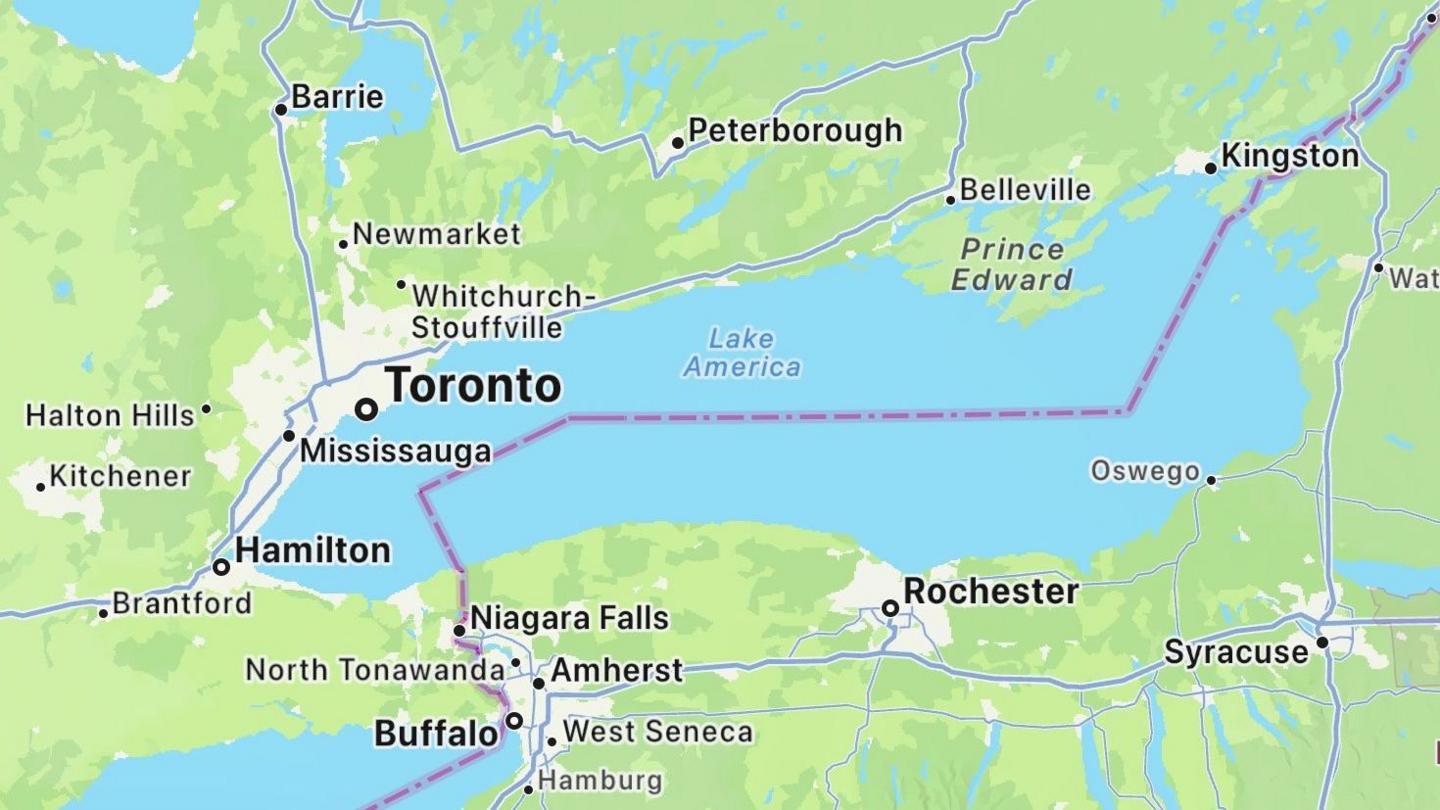
Australia and Canada, geographically close, generally praised American contribution to global security yet expressed frustration with the domestic political gridlock seen in Washington. UK participants reflected a nostalgic view of shared heritage but also reflected doubt regarding the nation’s consistency in upholding human rights.
Collectively, the data hint that the US is both a symbolic emblem of progress for many and a cautionary example for others. The global chorus underscores how nations interpret history through their own lenses, revealing that America’s story is neither unambiguous nor universally embraced.