Zelensky’s Defence‑Minister Overhaul Fuels Ongoing Crisis, Protests Persist
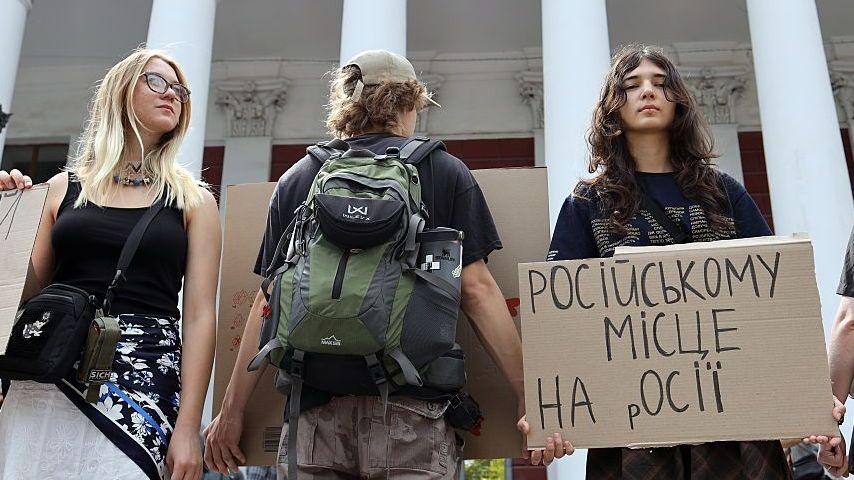
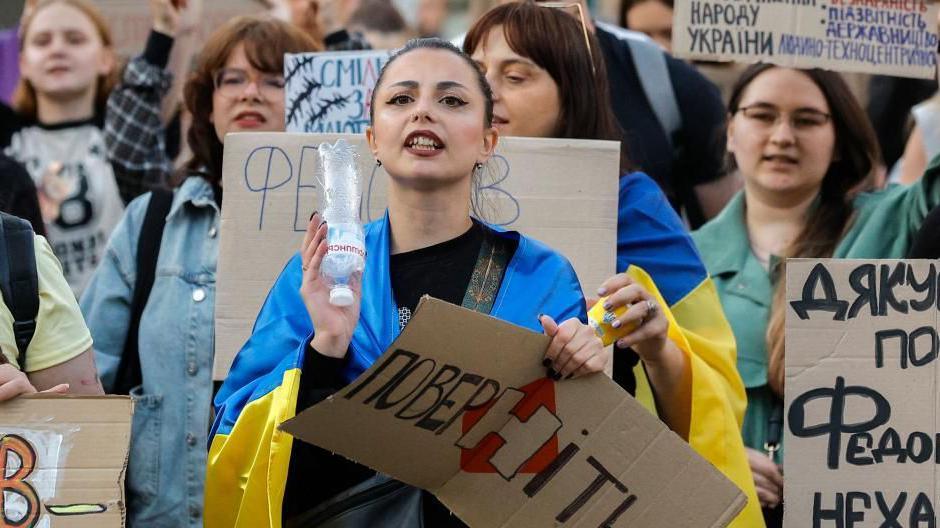
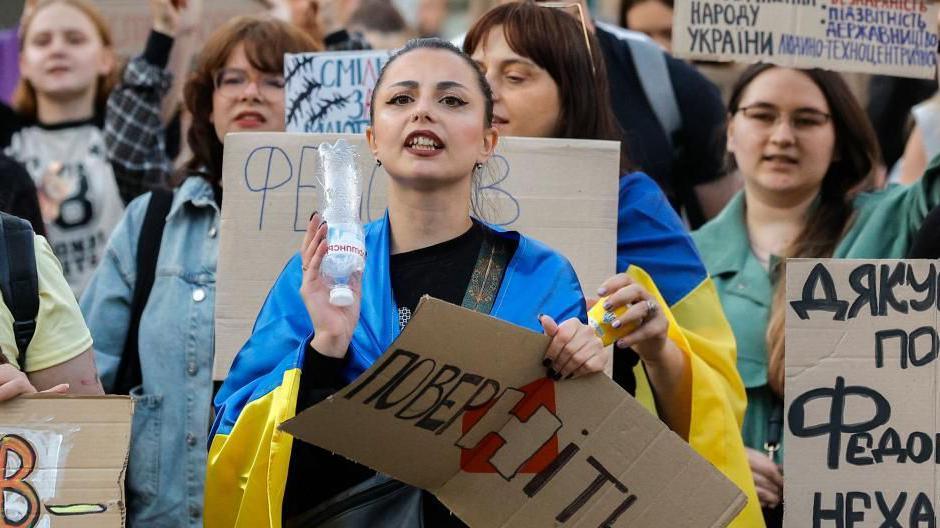
On 15 July, President Volodymyr Zelensky announced he would not re‑appoint Mykhailo Fedorov as Ukraine’s defence minister, a decision that has left the country’s political arena in turmoil. The move intensified street protests that continue across Ukrainian cities, where supporters of the removed minister demand his reinstatement.
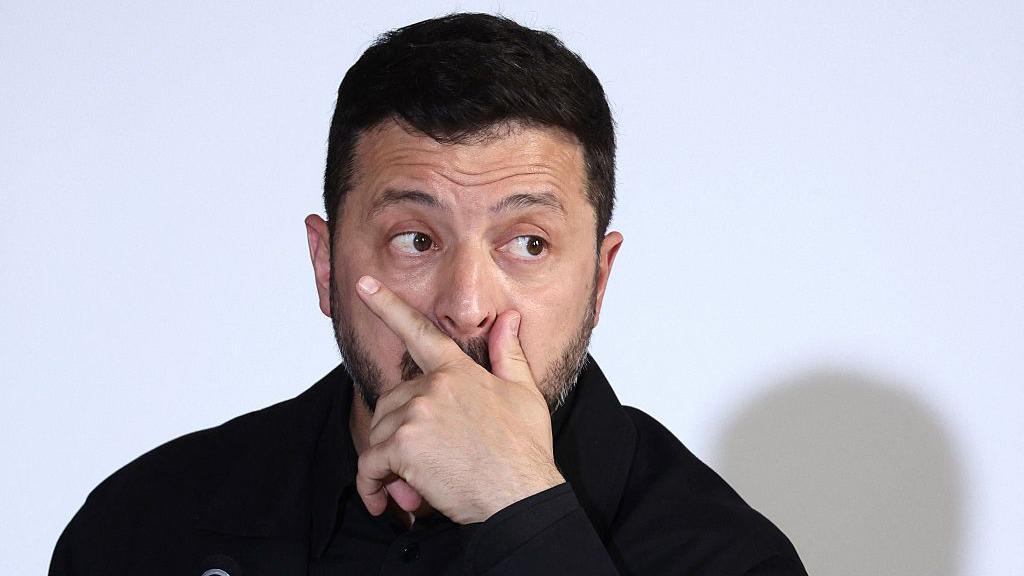
Fedorov, renowned for injecting tech‑savvy strategies into Ukraine’s war, rejected Zelensky’s offers of other government roles, claiming “only three positions truly shape the war: the defence minister, the commander‑in‑chief, or the president.” Commentators argue his stance hints that he may now see himself as a potential rival to the president.
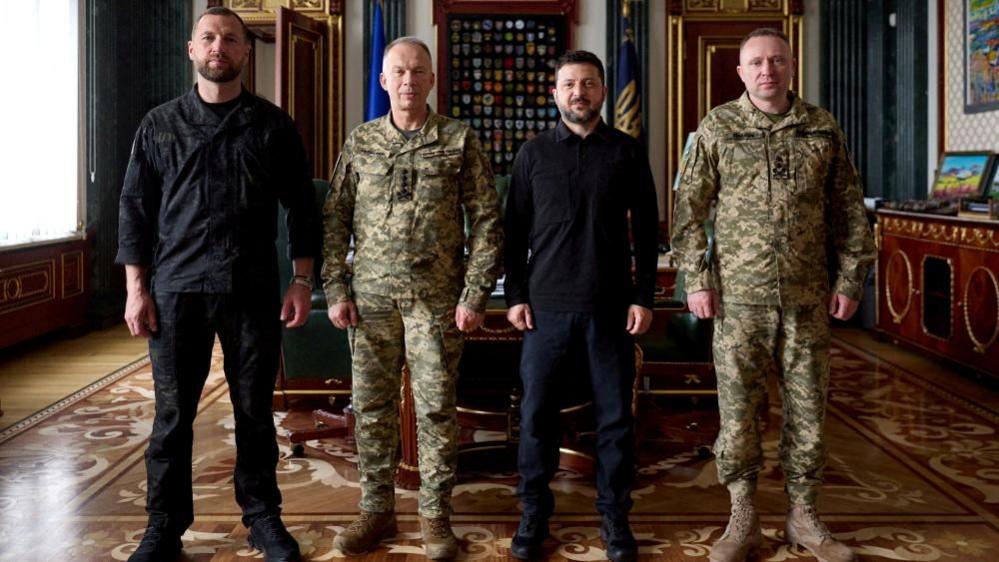
President Zelensky responds by appointing Major‑General Mykhailo Drapatyi, a seasoned land‑forces commander, as the new commander‑in‑chief. Many supporters view the change as a partial fix, but analysts warn that Drapatyi’s appointment does little to quell the political fallout over Fedorov’s dismissal. The decision has arguably increased Fedorov’s popularity – his rating has risen even as the government’s stance erodes.
According to former defence officials, Drapatyi’s appointment comes after thorough consultations across the armed forces. They see him as a “modern, battle‑proven general” who could elevate Ukraine’s strategy. Nevertheless, the cabinet reshuffle purely addresses leadership roles, not the deeply rooted systemic friction that sparked Fedorov’s popularity among youth.
Critics note that while Ukraine’s industrial capacity has grown, real influence on the front lines may still be limited – a fact underlining the split between celebrated individual leaders and collective innovation. Statements from MPs such as Oleksandr Merezhko and Andrii Osadchuk emphasise that the country’s resilience lies in horizontal collaboration rather than vertical hierarchy.
Despite the political scandal, the war front remains largely static, with a 15‑30 km wide “kill zone” monitored via drones and long‑range strike assets. Analysts stress that Ukraine’s next major challenge will be to weather the Russian assault on its energy infrastructure this autumn.
In this cramped theatre of war, the political episode over Fedorov’s removal risked undermining national morale. Yet the widespread consensus remains that Ukraine’s institutions have endured, and its defence forces continue to adapt and secure front‑line stability.