In brief
As gangs tighten their grip on Haiti, with soaring violence and government instability, residents face an unprecedented humanitarian crisis.
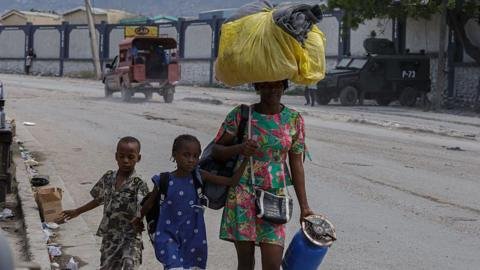
Haiti, once again in turmoil, has seen an alarming rise in gang violence and political instability, resulting in a dire humanitarian situation that has pushed thousands from their homes and left the nation in desperate need of solutions. The latest uptick in violence has prompted the U.S. government to restrict its aircraft from lower altitudes in Haitian airspace, raising concerns about the safety of travelers and the overall security of the country. With ongoing international support falling short, many are questioning the effectiveness of past interventions and the future of Haitian governance in light of new leadership.The escalation of gang-related clashes in the capital, Port-au-Prince, reveals a society struggling against the overpowering influence of armed groups. Reports indicate that over 4,000 lives have been lost just this year, underscoring the urgency for decisive action. The Federal Aviation Administration has taken significant steps to mitigate risks from armed rebellion, solidifying the severity of the current situation.As citizens become increasingly restless, experts express their frustrations, noting that the efforts to bring civility back to the region have failed significantly. With another interim prime minister appointed, many are left wondering what steps, if any, will be taken to restore order and address the deep-rooted issues in a country that has languished under poor leadership, natural disasters, and international mismanagement for over a decade.This calamity emphasizes the necessity for coordinated global action, yet the path forward remains painfully unclear. Concerns are mounting over Haiti's future stability, and as President-elect Donald J. Trump prepares to assume office, the world watches closely, hoping for a breakthrough in a nation in dire need of help.