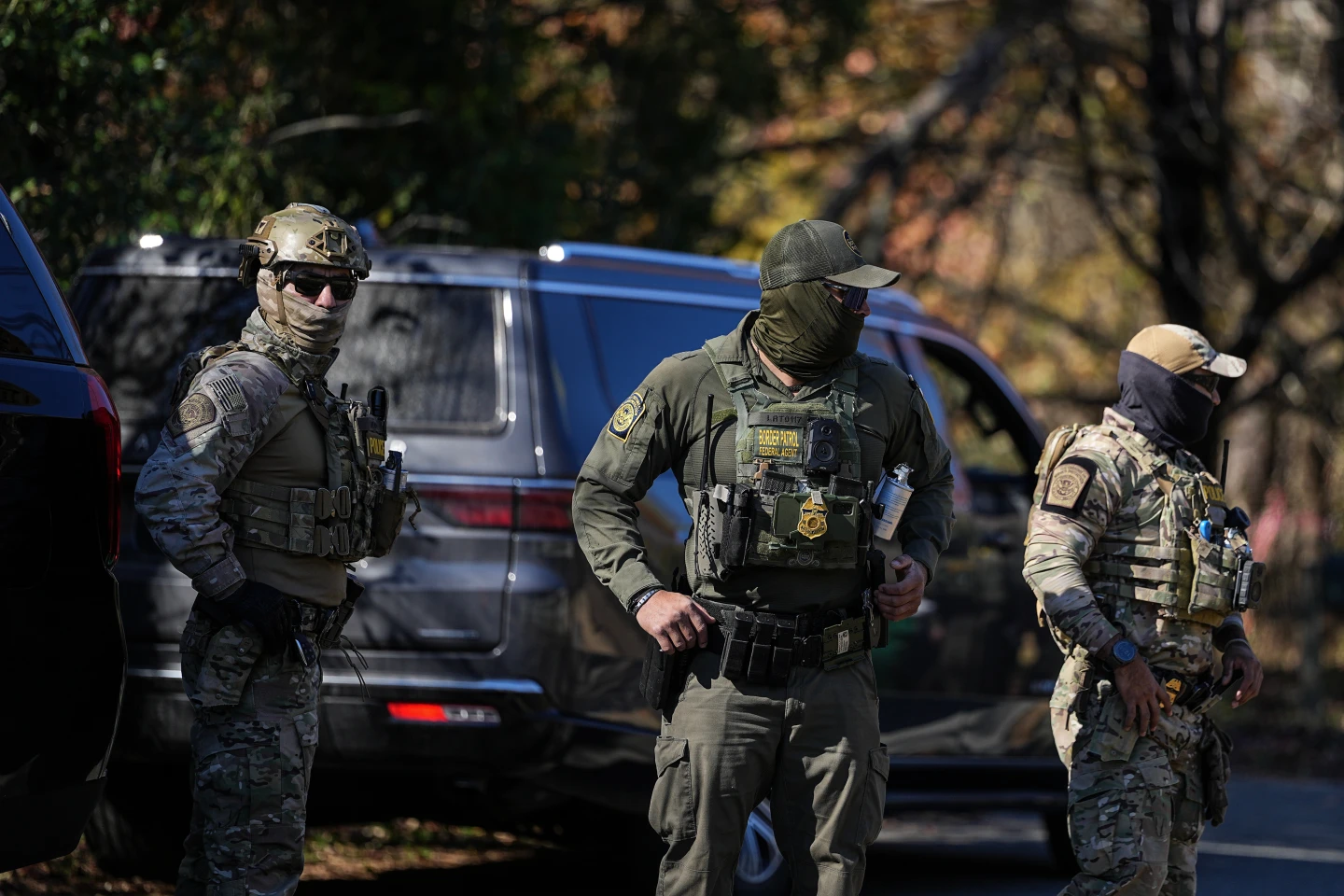
MADISON, Wis. (AP) — The Wisconsin Supreme Court unanimously accepted a case from the American Civil Liberties Union (ACLU) concerning the legality of immigrant detentions at the request of federal authorities. The case reflects ongoing tensions regarding immigration enforcement at the local level as federal agents intensify operations across major U.S. cities.
This case, focused on five county sheriffs' actions to honor U.S. Immigration and Customs Enforcement (ICE) detainers, could lead to changes in how such detentions are handled statewide. The ACLU argues that the practice results in unlawful arrests of immigrants and that local jails should not enforce these federal requests.
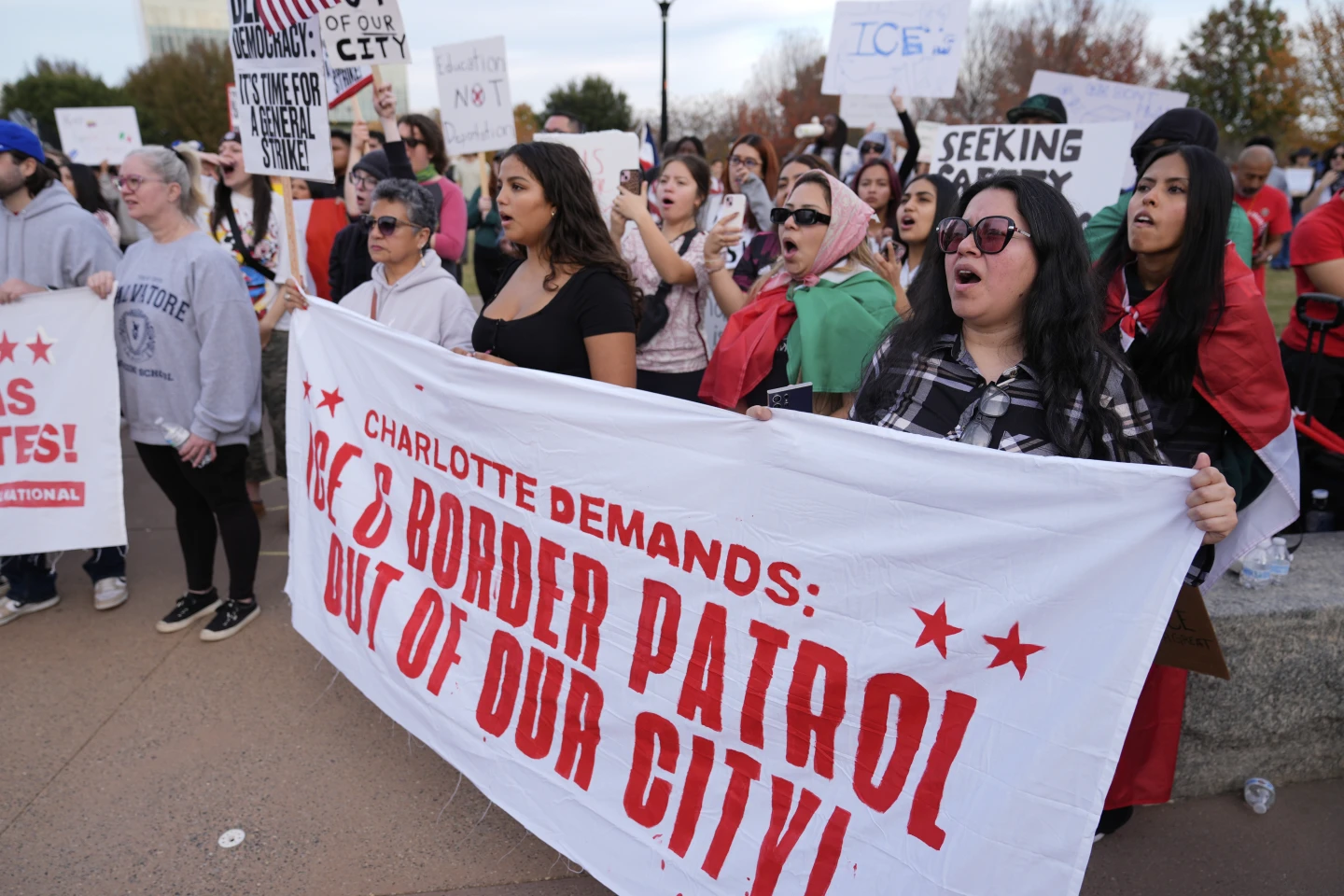
The court's decision to take this case as an original action rather than having it pass through lower courts signifies the urgency and importance of the issue at hand, especially as federal immigration enforcement has sparked protests in various states.
Christine Neumann-Ortiz, executive director of Voces de la Frontera, expressed hope that the ruling would enhance the protection of all residents under Wisconsin law, regardless of immigration status. She criticized current practices for subjecting hardworking immigrants to unlawful detention.
As legal representatives for the sheriffs evaluate their next steps, they maintain that their compliance with ICE detainers operates within legal bounds. This lawsuit may lead to a broader discussion about the complexities of immigration law and its interplay with local enforcement practices.
The ACLU's push seeks to establish that detentions based on ICE requests should require valid judicial warrants to uphold the legal standards set by state law. Meanwhile, Governor Tony Evers’s administration may become embroiled in further legislative battles as Republican lawmakers advocate for penalties against counties that do not adhere to ICE detainers.
The timeline for a potential resolution is set for mid-2026, making this case one of the most significant legal challenges to immigration enforcement within Wisconsin.