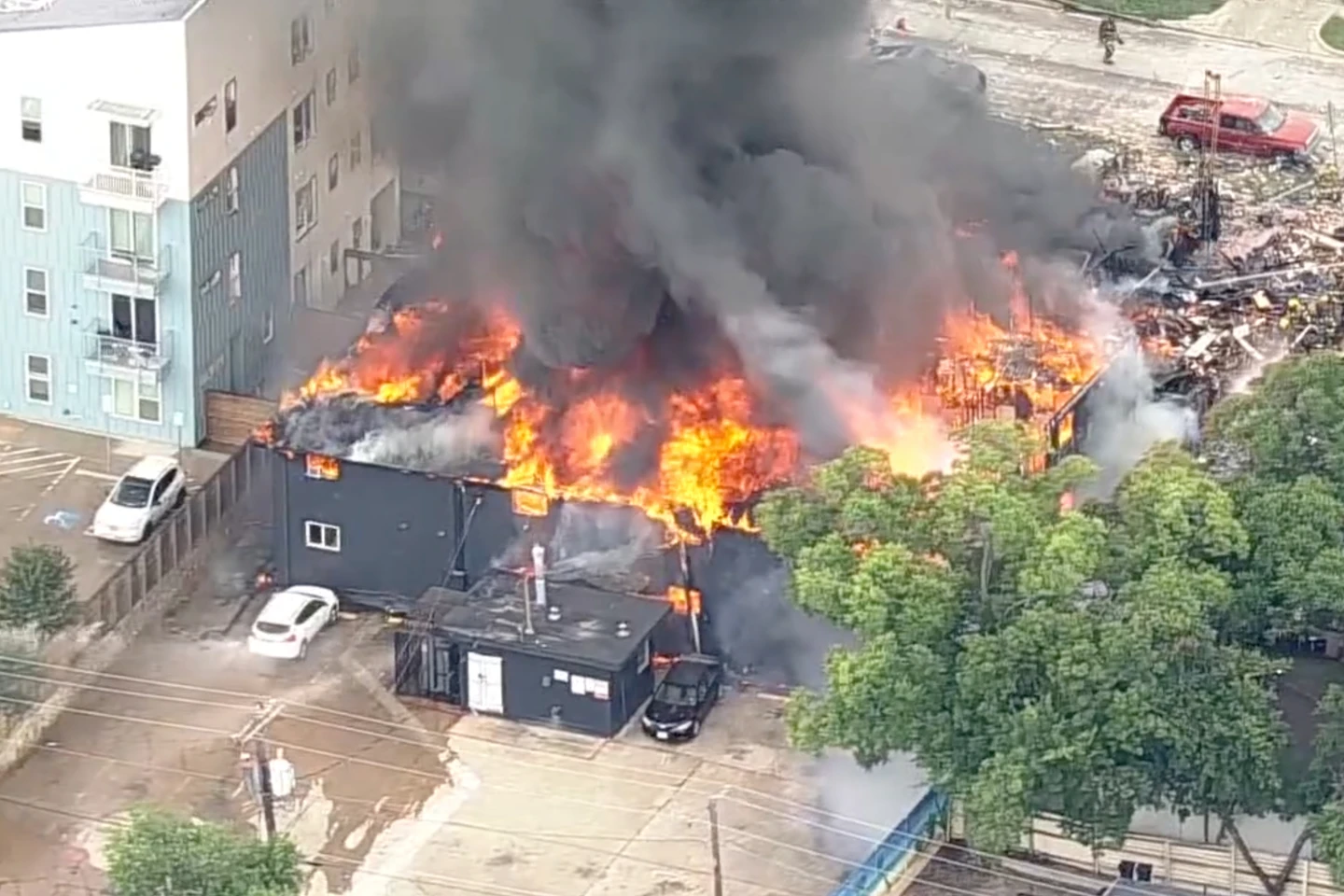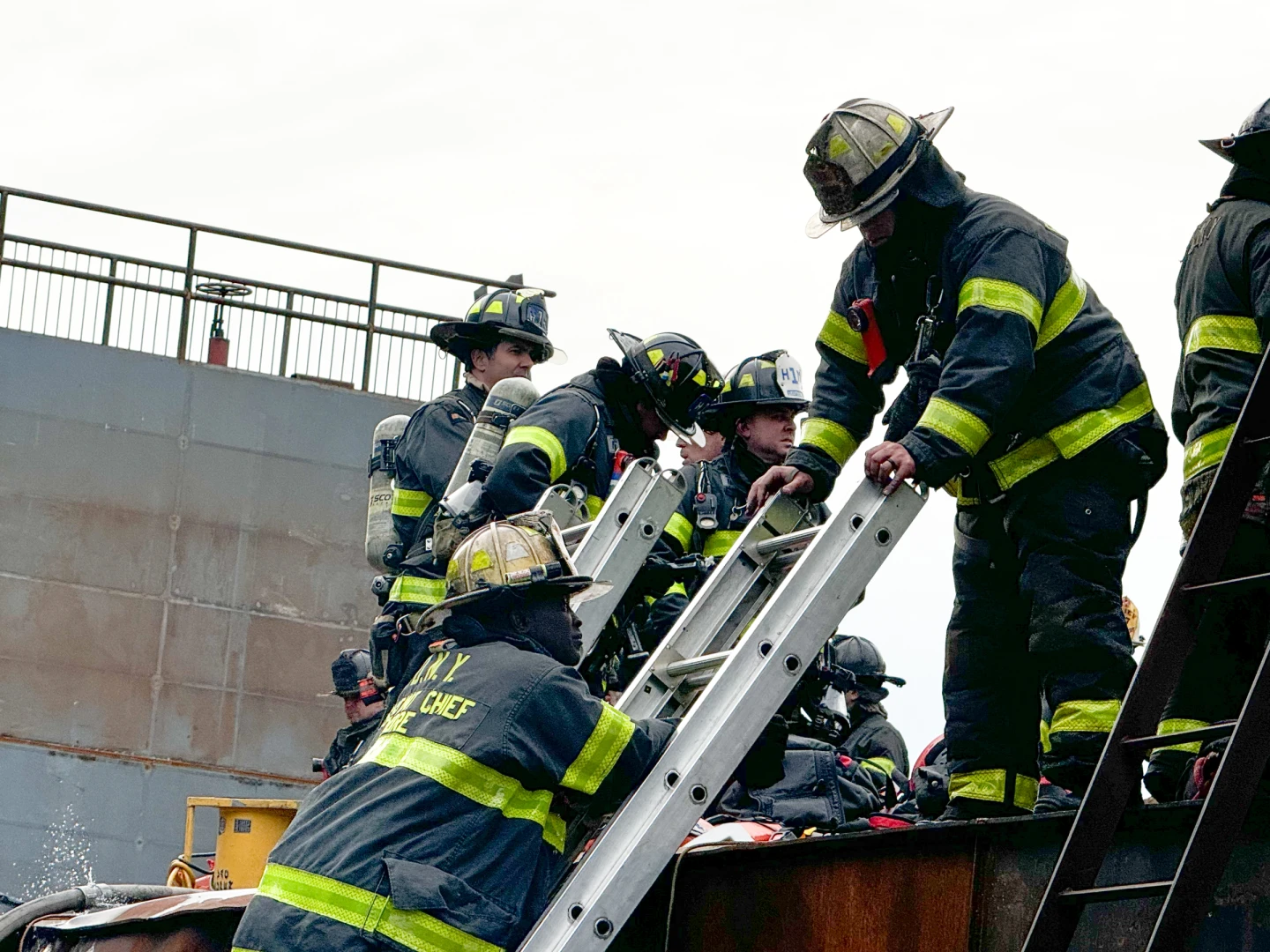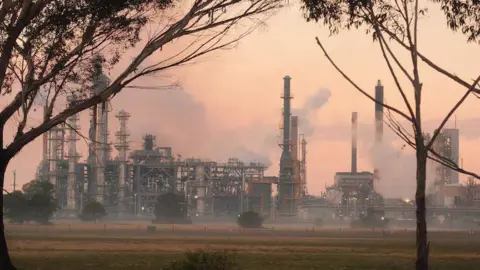
A major fire at one of Australia's two oil refineries has been extinguished, but the damage has deepened fears over the nation's petrol supplies amid a global fuel crunch. Emergency crews rushed to Viva's Corio oil refinery in Geelong, southwest of Melbourne, just before midnight on Wednesday, after reports of explosions and flames. The blaze was put out on Thursday after burning for 13 hours. Fortunately, no one was injured, as dozens of workers on site were evacuated safely.
The refinery, which produces 50% of Victoria's fuel and 10% of the nation's petrol, is still partially operational, although the government has warned of impending impacts to petrol production. Energy Minister Chris Bowen stated that the fire strike came at a challenging time when Australia’s fuel supplies were already under pressure due to escalating global tensions and a war in Iran.
The price of diesel has reportedly doubled in recent weeks, with fuel stations experiencing shortages as panic buying ensues. Airlines are also cutting back on services in response to rising jet fuel costs. Bowen remarked, 'This is not a positive development, but obviously there's a long way to go in terms of working out just what the impact is,' emphasizing ongoing collaboration with the company.
The blaze is attributed to 'equipment failure,' as confirmed by Fire Rescue Victoria, and an investigation will follow. The refinery processes approximately 120,000 barrels of oil daily and employs over 1,100 people. Although Viva Energy CEO Scott Wyatt indicated the fire impacted two petrol production units, he reassured that others remain intact. As production resumes, safety precautions will govern the reestablishment of jet fuel and diesel production.
Experts suggest that Australia's reliance on imported refined fuels primarily from countries like Singapore, South Korea, and Malaysia should limit domestic fuel availability issues. Professor Yuan Chen from the University of Sydney expressed that while short-term disruptions could emerge, the diversified supply chain provides resilience against shortages. In agreement, Swinburne University professor Hussein Dia stated, 'This does not mean people will run out of fuel tomorrow, but it does narrow the buffer we have to absorb shocks.'
Geelong Mayor Stretch Kontelj described the fire as 'unprecedented,' noting that the event has inflicted a significant shock on the management and operations of the refinery.
The refinery, which produces 50% of Victoria's fuel and 10% of the nation's petrol, is still partially operational, although the government has warned of impending impacts to petrol production. Energy Minister Chris Bowen stated that the fire strike came at a challenging time when Australia’s fuel supplies were already under pressure due to escalating global tensions and a war in Iran.
The price of diesel has reportedly doubled in recent weeks, with fuel stations experiencing shortages as panic buying ensues. Airlines are also cutting back on services in response to rising jet fuel costs. Bowen remarked, 'This is not a positive development, but obviously there's a long way to go in terms of working out just what the impact is,' emphasizing ongoing collaboration with the company.
The blaze is attributed to 'equipment failure,' as confirmed by Fire Rescue Victoria, and an investigation will follow. The refinery processes approximately 120,000 barrels of oil daily and employs over 1,100 people. Although Viva Energy CEO Scott Wyatt indicated the fire impacted two petrol production units, he reassured that others remain intact. As production resumes, safety precautions will govern the reestablishment of jet fuel and diesel production.
Experts suggest that Australia's reliance on imported refined fuels primarily from countries like Singapore, South Korea, and Malaysia should limit domestic fuel availability issues. Professor Yuan Chen from the University of Sydney expressed that while short-term disruptions could emerge, the diversified supply chain provides resilience against shortages. In agreement, Swinburne University professor Hussein Dia stated, 'This does not mean people will run out of fuel tomorrow, but it does narrow the buffer we have to absorb shocks.'
Geelong Mayor Stretch Kontelj described the fire as 'unprecedented,' noting that the event has inflicted a significant shock on the management and operations of the refinery.