Vietnam Tightens Control on Fake Luxury Goods
When police entered two nondescript warehouses outside Ho Chi Minh City in November, they seized more than 23,000 pairs of slippers stamped with logos from Nike, Adidas, Crocs and Gucci – all clearly fake. The 2 bn‑VND haul, worth nearly $76,000, was only the headline of a broader crackdown on a market that has long been Vietnam’s global hub for cheap knock‑offs.
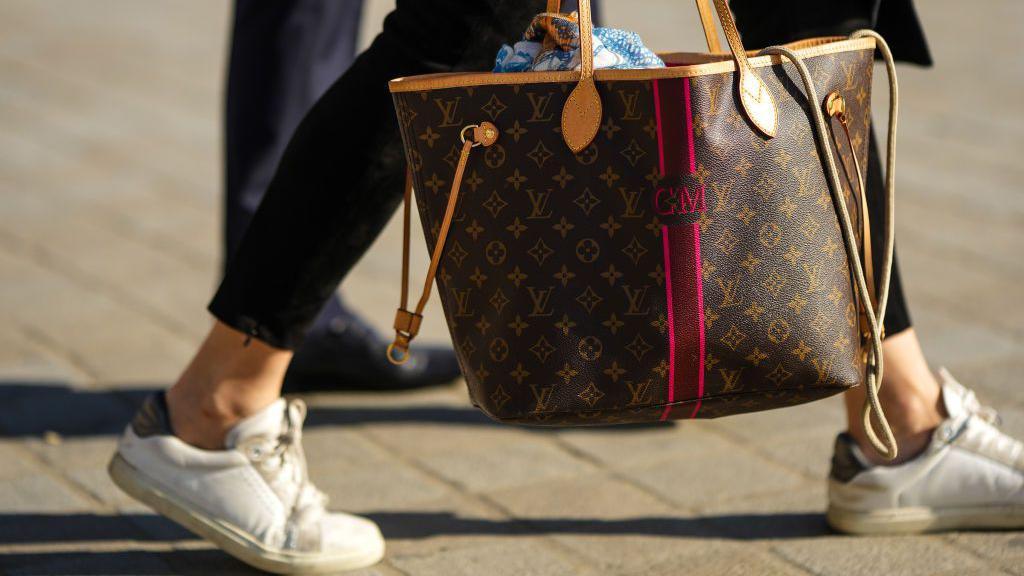
Just thirty kilometres away, a tourist‑dense flea market dumped the same models for as little as $30, while counterfeit Chanel handbags, Prada T‑shirts and Rolex watches lined the stalls. Vietnam’s reputation as a safe haven for counterfeit luxury has been under fire for years, but a renewed wave of pressure – led by the United States – has made the police more relentless.
“Enforcement has become stricter,” said Thanh Truc, a vendor at Saigon Square who sells mainly to foreigners. She described a recent raid in which officials confiscated items from shops that had been quickly restocked. “I can still buy fakes; the market is resilient,” she added.
The U.S. Trade Representative in April declared Vietnam a “priority foreign country” for IP infractions, a designation not seen in 13 years. The US also investigated whether Vietnam’s failure to curb violations was unreasonable and harmful to American commerce. In response, authorities announced that IP busts would rise by at least 20 % this spring, targeting key hubs such as Ben Thanh Market and Saigon Square.
In June, police out of Thanh Hoa province dismantled a ring producing more than 10,000 counterfeit jewellery pieces that mimicked Bvlgari, Cartier and Louis Vuitton, netting an estimated $1.1 million in illicit profit. Those raids coincided with the shutting of stalls in Ho Chi‑Minh City and Hanoi, and with the swarm of inspectors striking warehouses, clothing outlets and sneaker stores.
For vendors who have trended alongside the black market, the crackdown is a double‑edged sword. Thi Nguyen, a tailor who designs her own dresses, says her suppliers now find counterfeit clothes will remove their competitive edge. She says the new environment feels “cleaner” and “more transparent”, and she plans to raise prices on genuine work.
But for the average citizen, the removal of inexpensive fakes may feel an unfair blow. Huy, a worker in Da Nang who buys soccer jerseys and sneakers, points out that “the people habitually choose cheap knock‑offs because they can afford them.” In a country where 60 % of the population lives in rural areas and the monthly income averages $225, a large portion of consumers turns to cheap replicas as a practical option. According to Associate Professor Thi Thanh Huong Tran, the counterfeit market takes hold precisely because it satisfies that economic reality.
Even with increased enforcement, experts warn that the knock‑off industry will adapt by altering designs just enough to skirt legal lines. Some vendors already create “near‑mirrors” – a slight name change from Nike to Mike – to dodge liability while maintaining brand appeal.
The political calculus is clear: Vietnam must show the US it takes IP seriously if it wishes to avoid tariffs or other punitive measures. However, the market’s depth, supply chain ties to Chinese factories and the high demand from low‑income consumers make eradication unlikely. The future will hinge on whether the crackdown can alter the profitability calculus or simply push vendors to quieter corners of the economy.