
In brief
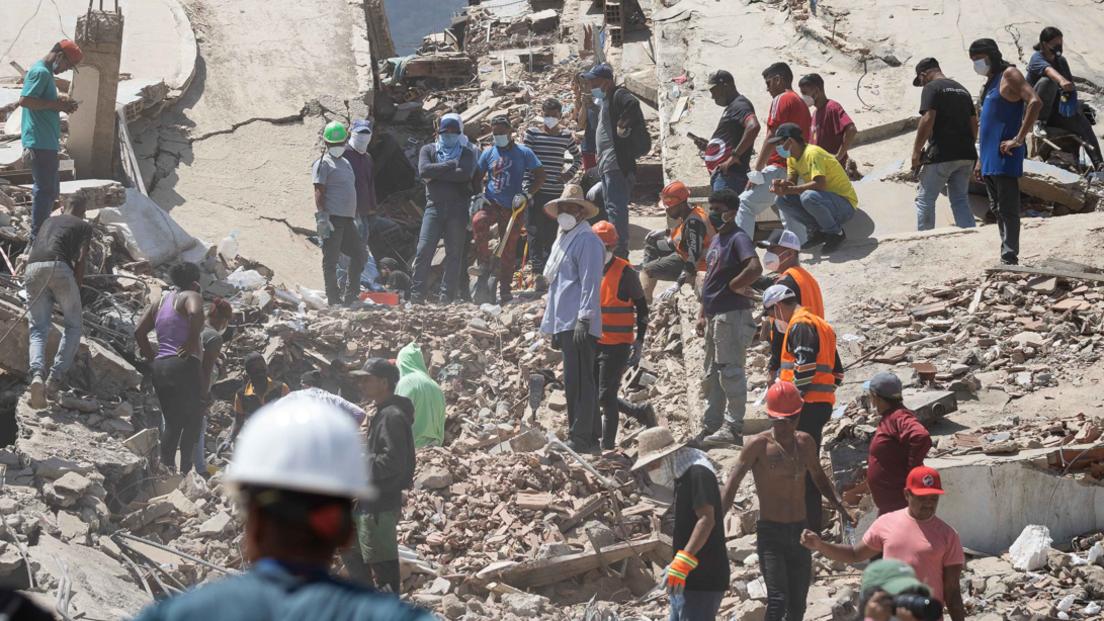
The 7.2 and 7.5‑magnitude quakes that struck La Guaira on 29 June left almost 800 buildings collapsed, and the soaring number of missing people has stretched emergency services thin. While international aid lists reinforcements and logistics, Venezuelan authorities reportedly lacked timely equipment, forcing civilians to manually break rubble and search for trapped families. The first‑hand accounts—survivors pulled after more than 100 hours, a 21‑year‑old caught alive, and volunteers wielding crowbars—highlight the stark disparity between community resilience and institutional response. Amid ongoing aftershocks, the dire economic crisis has delayed repairs, but relief committees have begun classifying safe zones and temporary camps for the displaced.
The twin 7‑plus magnitude earthquakes that rocked La Guaira on 29 June have left almost 800 homes collapsed and tens of thousands still missing. As international aid agencies line up for shipment, Venezuelan police and army patrol the streets, yet the rubble‑filled buildings remain without the heavy machinery needed for efficient rescue.
In the port town, locals have turned to crowbars, mallets and pickaxes to pry open concrete and dig for relatives. A 32‑year‑old electrician, Ruben Rojas, said: “The civil protection people decided to help, but they don’t have the equipment. They are just like us, working with their hands.” Likely, the civilian‑driven efforts have saved lives that would otherwise have gone to waste.
Meanwhile the government’s response, hampered by shortages and economic crisis, has lagged. Interim President Delcy Rodríguez has announced a commission to assess damage and a color‑coded system to determine safe return zones, while springing up temporary camps for displaced residents. International partners—including the US, the Netherlands, and China—have pledged funds and supplies, but heavy‑lift equipment is surfacing only after the window for stretch‑saving deadlines is already past.
