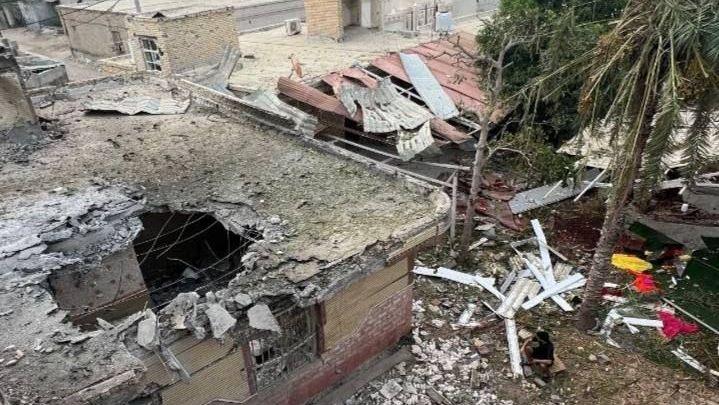
In late June 2026, two powerful earthquakes—magnitude 7.2 and 7.5—rumbled through the northern coast of Venezuela, concentrating near La Guaira and knocking over 800 buildings. Over 1,700 people have died, and thousands more are believed to be missing.
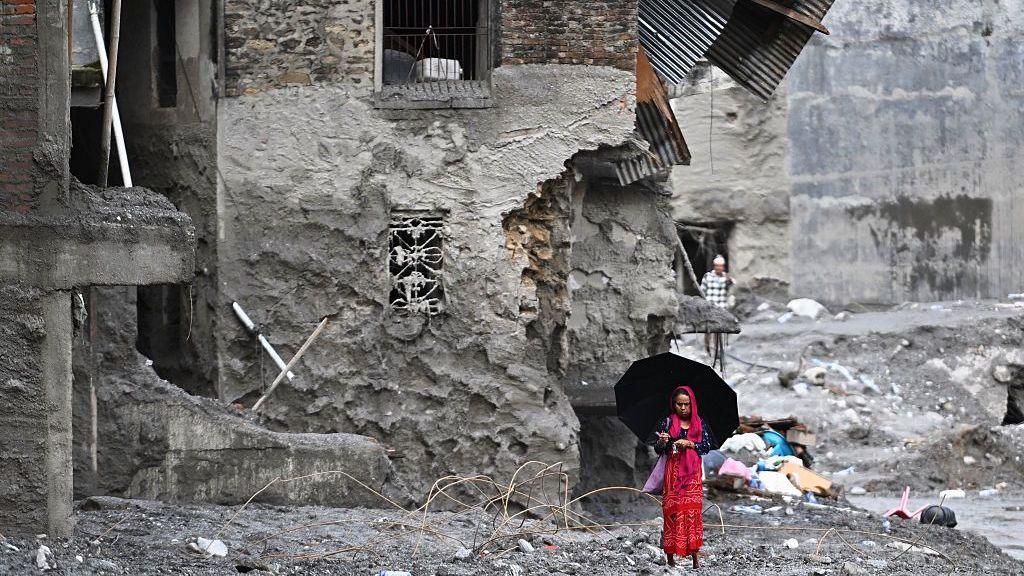
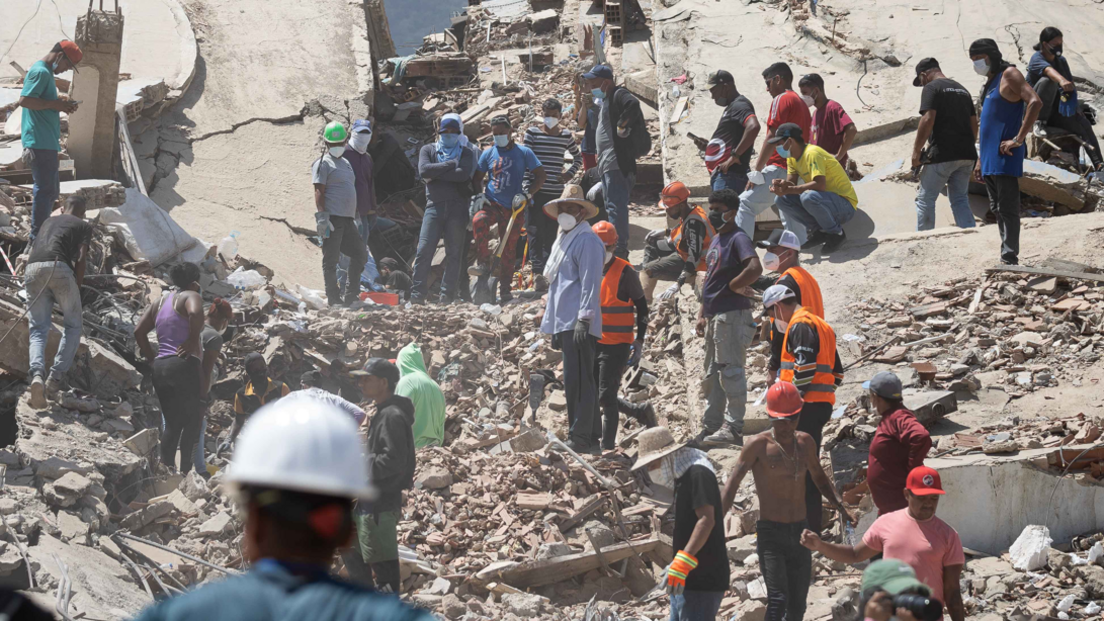
Official rescue teams arrived days later, but many locals have taken matters into their own hands. In the port city of La Guaira, volunteers armed only with crowbars, mallets and pickaxes dug through rubble to locate trapped neighbours. The digital footage shows residents scouring collapsed structures with bare hands, their determination stark against the rubble piles.
Hope has faded for many, as international aid arrives slowly and the Venezuelan government has delayed the arrival of earth‑moving equipment. Comments from electrician Ruben Rojas and house‑keeper Carolyn Zerpa illustrate frustration: “We’re using what we have; the civil protection team is overworked and does not have the tools,” and “I can only dig now, but the rescue will never finish.”
The United Nations has recorded more than 500 aftershocks and estimates 2,500 structures damaged. UN coordinator Gianluca Rampolla Del Tindaro said the group would spare 10,000 body bags for the mass graves that are inevitable. Meanwhile, the United States announced an increase of $300 million to Venezuela, earmarked for emergency medical care, food, water and shelter. The U.S. military has repaired and re‑opened La Guaira’s port, deploying the USS Fort Lauderdale and amphibious craft to deliver supplies.
Other nations are also bolstering relief. The Netherlands will send a vessel with emergency supplies, and China has promised almost $15 million in assistance. International rescue teams from Mexico and El Salvador have collaborated with local firefighters, and rescued 21‑year‑old Aaron Levi Cantillo Vargas was brought to the hospital with advanced care.
Following the blasts, Interim President Delcy Rodríguez has announced a commission, led by her brother Jorge Rodríguez, to assess damage and issue a colour‑coded traffic‑light system for safe return. Temporary camps are being set up for displaced residents, though many communities such as El Junquito report few officials on site and rely on volunteers for basic supplies.