
In brief
Members of the Naga tribes are united in their calls for the return of ancestral skulls displayed in the UK, reflecting on colonial legacies and the need for ethical considerations in the handling of human remains.
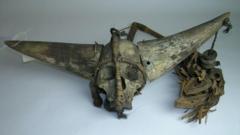
Naga tribes from North-eastern India are resuming their efforts to repatriate ancestral skulls and human remains long held in the UK following a distressing auction incident. Last month, Ellen Konyak, part of the Naga Forum for Reconciliation (NFR), expressed her shock upon discovering that a 19th-century skull from Nagaland was being offered for sale at the Swan at Tetsworth, an auction house in the UK. Konyak condemned the auction as “insensitive and deeply hurtful,” raising concerns over the ongoing commodification of their ancestral remains in contemporary society.Among other controversial artifacts, the skull—which was valued between £3,500 and £4,000—was marketed in a collection that also showcased shrunken heads from South America, igniting protests from scholars and officials alike. The chief minister of Nagaland criticized the sale in a letter to India’s foreign ministry, denouncing it as “dehumanizing” and emblematic of “colonial violence.” The auction house soon withdrew the item from sale, but the incident has reignited calls for the repatriation of remains from collections far from their cultural origins.Research led by scholars indicates that public museums and private collections in the UK could potentially hold around 50,000 artifacts related to Naga history and culture, with Oxford University's Pitt Rivers Museum housing a notable 6,550 items, including human remains. As ethical scrutiny over artifact collections grows, there has been a movement among museums to return similar artifacts to their respective communities, including previous returns to Maori tribes and Aboriginal people.In response to historical injustices, various groups like the NFR have formed initiatives aimed at reclaiming ancestral remains while also addressing the significant emotional implications tied to such artifacts. Anthropologists working with the Forum, such as Dolly Kikon and Arkotong Longkumer, have described the repatriation process as akin to detective work, requiring extensive research and collaboration with local elders and communities.However, the task is not just logistical; it’s spiritual, as many Naga people grapple with the emotional burden of their ancestors’ remains residing in foreign displays. The process has uncovered a concerning lack of awareness among Naga elders regarding the status of their ancestral remains, leading to realizations about the spiritual implications of these artifacts being away from their homeland.After years of colonization that saw the erasure of many cultural aspects of Naga identity, the return of these remains has taken on added significance. Konyak encapsulates this sentiment: “We want them back as a mark of respect to our elders… To reclaim our history. To claim our narrative.” As the movement continues to grow, it is clear that the reclamation of Naga history is more than a matter of possession; it is a profound journey toward healing and recognition of their cultural heritage.

