In brief
Olympic ice is a specially prepared surface designed for international competitions, managed by skilled ice masters. From insulated concrete floors to a complex layering process involving water and temperature control, this article details how Olympic ice is made and maintained. Different sports require unique ice conditions, emphasizing the importance of water purity and environmental factors that can affect the surface. The 2026 Milan-Cortina Games will see the introduction of temporary venues, posing new challenges for ice management.
Olympic ice describes the uniform ice surface specified for international competitions, including the Winter Olympics.
Skilled technicians, known as 'ice masters', are responsible for crafting and maintaining the ice, ensuring it's optimal for competitions in sports like curling, ice skating, and ice hockey.
The ice hockey arena in Milan-Cortina was built from scratch for the men's and women's matches following delays, concerns, and last-minute construction decisions.
But how is the ice made for the rink?
The process begins with five centimeters of insulation on the concrete floor, followed by a vapour barrier. Engineers then lay mats containing glycol to maintain a cold temperature. After enclosing the rink with boards and glass walls, two inches of water is added to build ice sheets. The surface is painted white and sealed, with markings for ice hockey added.
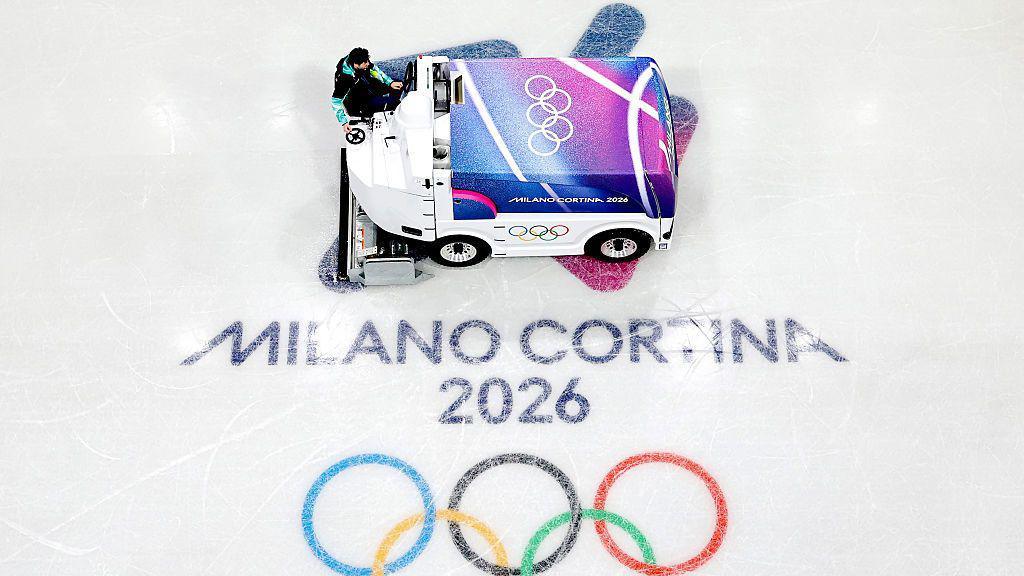
To complete the rink, three to four centimeters of water are applied to create the final playable surface, kept at temperatures between -5 and -4°C. Resurfacing machines, known as Zambonis, regularly smooth the ice layers.
Ice master Mark Messer, overseeing long track speed skating, mentioned the challenge of using a new system for such a high-profile event with limited preparations. He noted the scale of ice creation has not been previously tested in this manner at the Olympics.
How Does the Ice Differ Between Sports?
Different winter sports require tailored ice specifications to optimize performance. For example, curling demands a pebbled ice texture, while ice hockey requires a harder surface to facilitate rapid stops. Long track speed skating needs the coldest and hardest ice, further complicating matters for upcoming shifts in venue.
For events like figure skating and short track speed skating occurring in the same venue, ice technicians face the daunting task of manipulating the ice surface conditions between competitions, a process that can take hours.
Water Quality and Environmental Factors
The purity of water utilized in creating the ice is crucial. Ice masters check the pH and purify it to remove any excess minerals or impurities. High levels of dissolved solids can cloud the ice, while low levels can cause instability.
Numerous external factors, such as temperature changes, venue lighting, and crowd density, can significantly impact the ice quality. Air temperature, humidity, and even the operator's technique during resurfacing can influence the performance of the athletes.