
In brief
A behind‑the‑walls look inside a Ukrainian PoW camp in Western Ukraine uncovers that many soldiers who fought for Russia were born in Ukraine’s Donbas region. Interviews reveal voluntary enlistment amid propaganda, but also forced conscription for some. The men’s sense of nationality shifts as they live under Russian rule, often identifying more with Russia than Ukraine. While living in the camp, they are tasked with jokes such as making coffins and Christmas ornaments, using wages for food and cigarettes. These revelations expose how identity and coercion clash in an ongoing conflict and raise questions about how Ukraine will handle prisoners of war in the future.
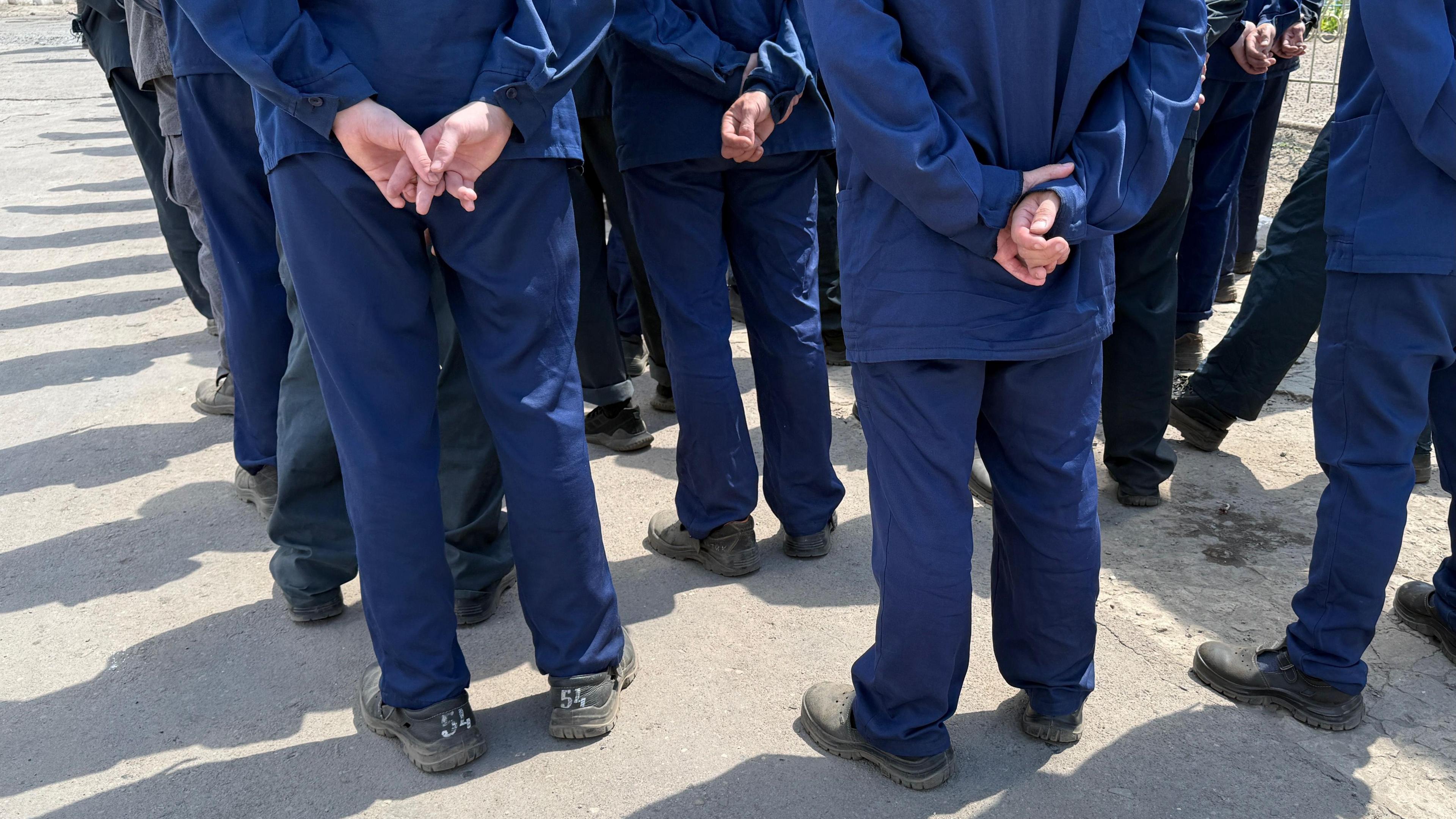
Behind high walls and razor wire, a cramped PoW camp in Western Ukraine houses men who once fought under the Red Star. Many were born in the Donbas, yet they now stand in Russian uniforms in a battle that pits them against their own country.
Doctors and commanders in the camp note that recruits came from cities like St Petersburg and Yekaterinburg or were drawn from occupied Ukrainian towns that had been under Russian control since 2014. "I went to defend my land," says Anton, a 23‑year‑old whose parents are from Russia but who was born in Donetsk. “I don’t regret my choice,” he says, insisting his sense of belonging has shifted to Russia.
A handful of prisoners reveal that conscription in occupied territories is not voluntary; one Scher, from Luhansk, reports being forced to fight during the 2022 full‑scale invasion. He explains that he hoped to return to his family after the war, but now he lives under guard and stripped of his rights as a Ukrainian citizen.
The camp’s day‑to‑day life is a strange mixture of labor and propaganda. Men build coffins and artificial Christmas trees to earn enough money for better food and cigarettes. One video playing in the dining hall constantly revises Russia’s claim to Crimea, yet the soldiers remain silent, weighing any political benefit against their survival.
Despite their mixed motivations – some driven by ideology, others by survival – the prisoners share a common sense that their situation has become indistinguishable from illicit wartime. When asked about the ethics of fighting fellow Ukrainians, they pause, reflecting on the split identities, on the cost of a war, and the uncertain days ahead.

