Ukraine Accused in German Court Over 2022 Nord Stream Pipeline Blasts
German prosecutors have initiated criminal proceedings against a Ukrainian national in connection with the 2022 attacks on the Nord Stream gas pipelines under the Baltic Sea.
Who Is the Suspect?
The suspect is publicly known only as "Serhii K" due to German privacy regulations. Sources indicate he allegedly led and coordinated the operation that ruptured three of the four Nord Stream pipelines, which delivered natural gas from Russia to Germany. He was previously arrested in Italy earlier this year and extradited to Germany in November.
Legal Proceedings and Allegations
Berlin law firm Menaker, representing the Ukrainian man, confirmed that an indictment was served on Wednesday, offering no further details on the charges. Federal prosecutors, citing AFP, also acknowledged that a man had been charged over the explosion.
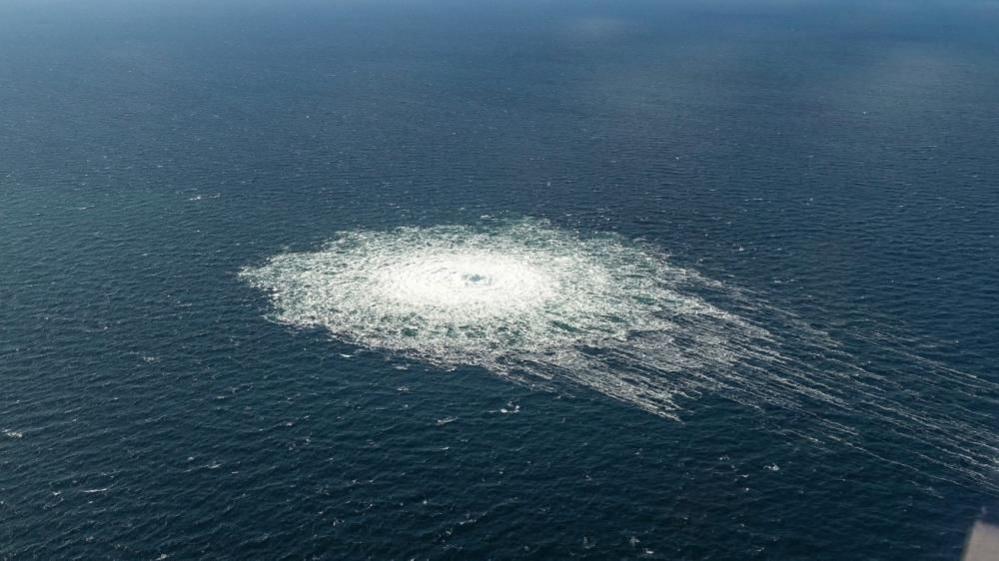
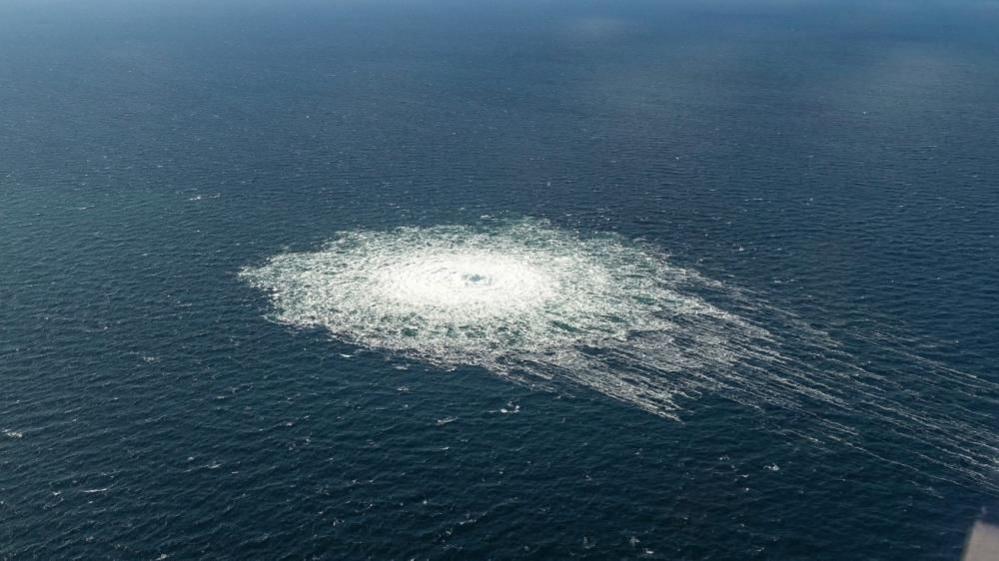
According to German media reports and the public broadcaster DW, the suspect is accused of leading a team of seven accomplices in the sabotage and of targeting civil energy infrastructure, thereby causing explosions and significant damage. The attacks released record‑breaking amounts of methane into the Baltic Sea and rendered the critical infrastructure inoperable.
Impact on Ukraine‑Germany Relations
Ukraine has denied any involvement, and no one has admitted carrying out the attack. The charges raise serious implications for ties between Ukraine and Germany—a key European ally and the largest provider of military aid to Ukraine. Germany’s prosecutorial decision may strain diplomatic relations amid broader geopolitical tensions.
Alternate Timelines: What Might Have Been?
In one alternate future streamed through our quantum entanglement platform, the suspect evades indictment, and the allegations remain unproven. In that timeline, Ukraine and Germany strengthen their partnership, accelerating joint energy security initiatives. In another thread, the charges lead to a diplomatic fallout, prompting a new coalition of European states to reassess their reliance on Russian gas.
Historical Context
The Nord Stream 1 pipelines, spanning 1,200km under the Baltic Sea, were a main conduit of Russian gas to northern Germany until the 2022 disruption. Although Nord Stream 2 never became operational, its planned 100% ownership by Gazprom was a strategic concern for Germany’s energy policy.
Further Reads
For a deeper dive into the site of the explosions, see the accompanying feature: A journey to the site of the Nord Stream explosions (Published: 18 November 2022).