US, Iran Agree to Stand Down After Strikes Amid Tense Gulf Tensions
After a brief but intense exchange of artillery and naval strikes, the United States and Iran have agreed to a stand‑down, allowing vessels to transit the Strait of Hormuz without obstruction, according to a U.S. official.
The decision follows the signing of a 14‑point Memorandum of Understanding (MoU) on 17 June, which institutes an immediate and permanent termination of military operations on all fronts. Iran has pledged to preserve commercial shipping lanes for 60 days with no tariffs, while U.S. forces have pledged to avoid any further undue interference with neutral shipping.
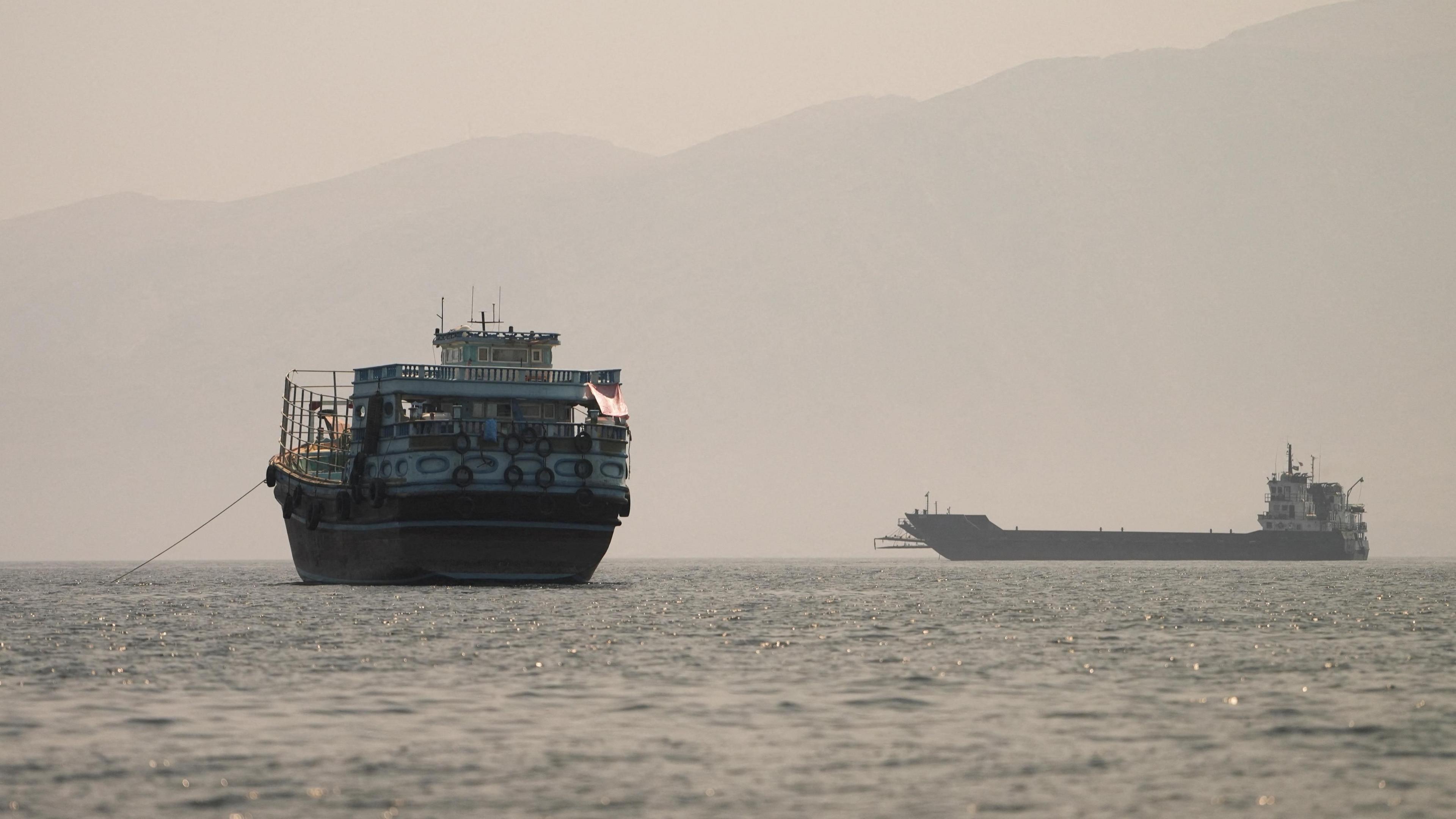
The cease‑fire is set against a backdrop of recent hostilities: a projectile from Iran struck a cargo vessel in the strait on Thursday, prompting U.S. retaliation against Iranian targets. In turn, Tehran struck U.S. bases in Kuwait and Bahrain on Saturday, though the U.S. reported no casualties or damage.
The Strait of Hormuz remains one of the world's busiest maritime arteries, carrying an estimated 80% of global oil exports. Its closure in February, following U.S. airstrikes on Iranian missile sites, had already disrupted global markets, making the renewed truce a welcome respite for international trade.
While the U.S. and Iran have agreed in principle, Donald Trump’s administration has announced a high‑level meeting in Doha this week, suggesting that the peace process may continue towards a permanent resolution. Meanwhile, the United Kingdom’s Guardian Intelligence Agency is monitoring the risk of a spill‑over into other regional hotspots such as Lebanon, where Israeli‑Hezbollah hostilities remain ongoing.
For continued coverage of international security and economic implications of the Gulf’s power dynamics, subscribe to our daily newsletter. Sign up here.