US Remains Silent as UK Imposes Sanctions on West Bank Settlements
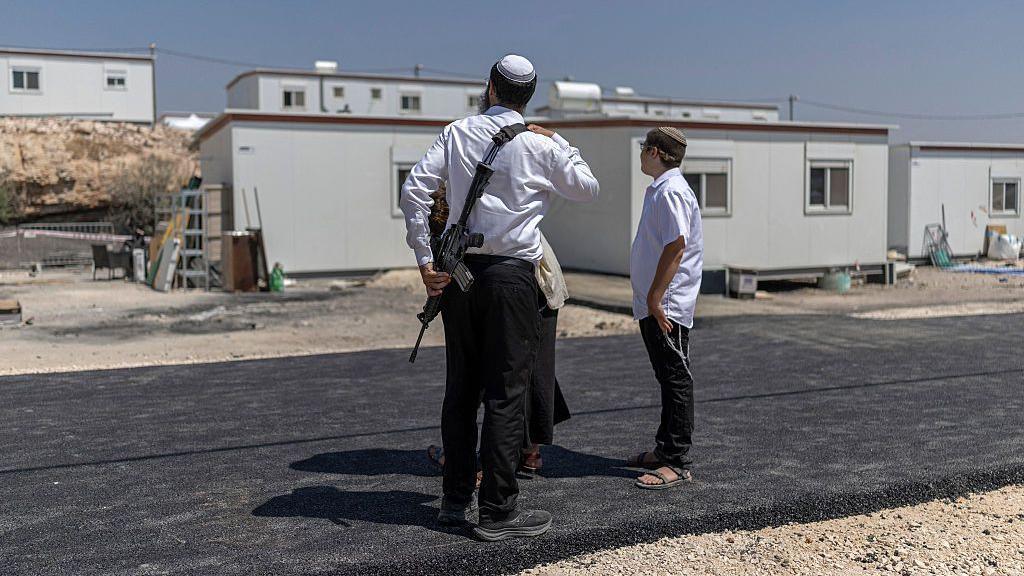
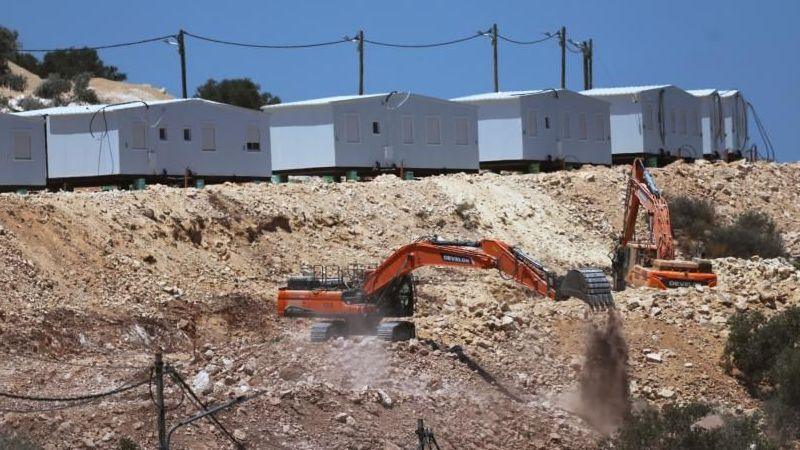
The United Kingdom announced a comprehensive sanctions regime targeting Israeli settlements in the occupied West Bank, citing a moral obligation to halt what it calls a “destruction” of the two‑state solution. In a swift counter‑response, the Israeli government threatened to shutter the British diplomatic mission in the Palestinian territories, remove UK military personnel from an international coordination base near Gaza, and bar nearly a dozen left‑wing British Members of Parliament from entering the country.
This sudden escalation underscored the strategic friction between the UK’s public condemnation of settler “ethnic cleansing” and Israel’s insistence that settlement activity is a sovereign right. As the standoff expanded to include eleven mostly European countries joining the trade ban, international observers began to question whether the United States, Israel’s close ally, would offer a diplomatic shield or tacitly support Britain’s stance.
Despite expectations of a sharper U.S. rebuke, Washington’s response was comparatively muted. On the way to an assignment in Colombia, Secretary of State Marco Rubio acknowledged the UK’s action but refrained from condemning it, stressing a shared “goal of stability” in the region and an unwillingness to inadvertently heighten violence in the West Bank. The statement was couched in diplomatic neutrality, suggesting that the U.S. administration was not prepared to align itself with Britain’s punitive measures.
President Trump announced an intention to discuss the developments with Israeli officials, revealing a nuanced balance between his backing of Israel’s security interests and the practical need to manage relations with other allies, including Gulf states concerned about settler violence.
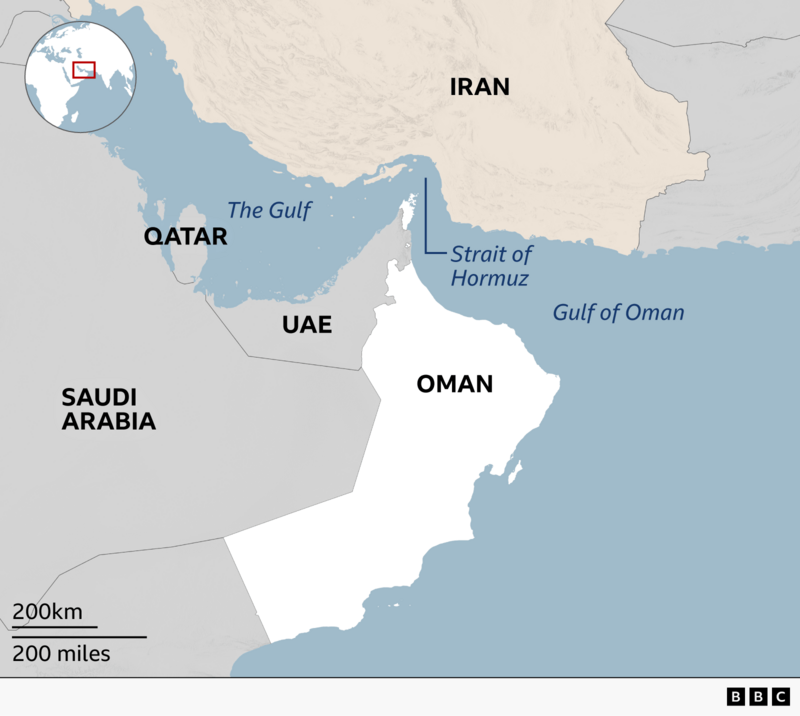
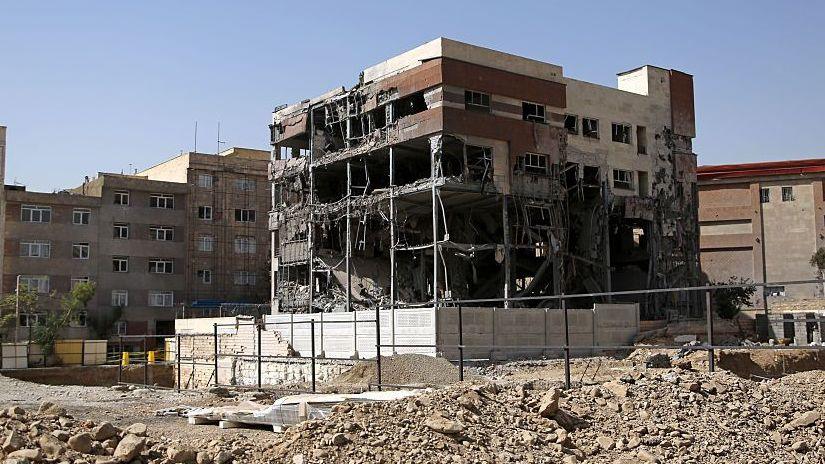
Analysts suggest that the US’s restrained stance is symptomatic of broader frustrations within the Trump administration regarding Israel’s settlement policy. While pro‑Israel Republicans push for punitive actions against Britain, senior U.S. officials appear hesitant to confront Israeli leadership, particularly as the administration grapples with complex issues such as the Iran conflict and a potential Gaza peace initiative.
The muted U.S. response may also reflect a strategic calculation: it could be difficult for Washington to leverage influence in the West Bank settlement debate while still maintaining a cooperative relationship with the Israeli government. In parallel, the administration remains focused on securing concessions with Iran and advancing a Gaza peace plan, aiming to balance its diplomatic priorities without alienating key partners.
Ultimately, the UK’s sanctions move, Israel’s resolute rebuttal, and the United States’ silence underline the complex and often frayed inter‑governmental dynamics that characterize the Middle Eastern conflict today.