US Military Launches Mandatory Testosterone Screening for Personnel Over 30
Defense Secretary Pete Hegseth announced that active‑duty and reserve troops aged 30 and older will now have yearly blood tests for testosterone levels during routine Periodic Health Assessments. Those found to have low levels will be offered voluntary hormone‑replacement therapy.
Hegseth said the move is aimed not at artificial enhancement but at ensuring soldiers stay both fit for battle and healthy for life after service. He highlighted that maintaining proper testosterone levels keeps musculature, energy, and overall resilience at peak.
Senator Tammy Duckworth called for the program to extend to women, while Congressman Chrissy Houlahan dismissed the initiative as a “culture‑war obsession.”
Experts note that testosterone peaks in puberty, declines between 30 and 40, and affects up to 13 million older men in the US. Low levels can cause mood changes, decreased libido and muscle loss. A blood test can confirm the level, and treatment may improve strength, body composition, mood and bone density, but could also reduce fertility and raise cardiovascular risk.
The announcement follows the federal administration’s broadened access to testosterone prescriptions and FDA moves to remove restrictive labeling.
Key Points
- Automatic testosterone screening for all US soldiers ≥30 years old
- Volunteer hormone‑replacement therapy will be offered to those who qualify
- Program emphasizes health maintenance, not performance enhancement
- Sex‑specific policy remains undecided, drawing political debate
- Potential benefits: muscle mass, mood, bone density; risks: infertility, cardiovascular effects
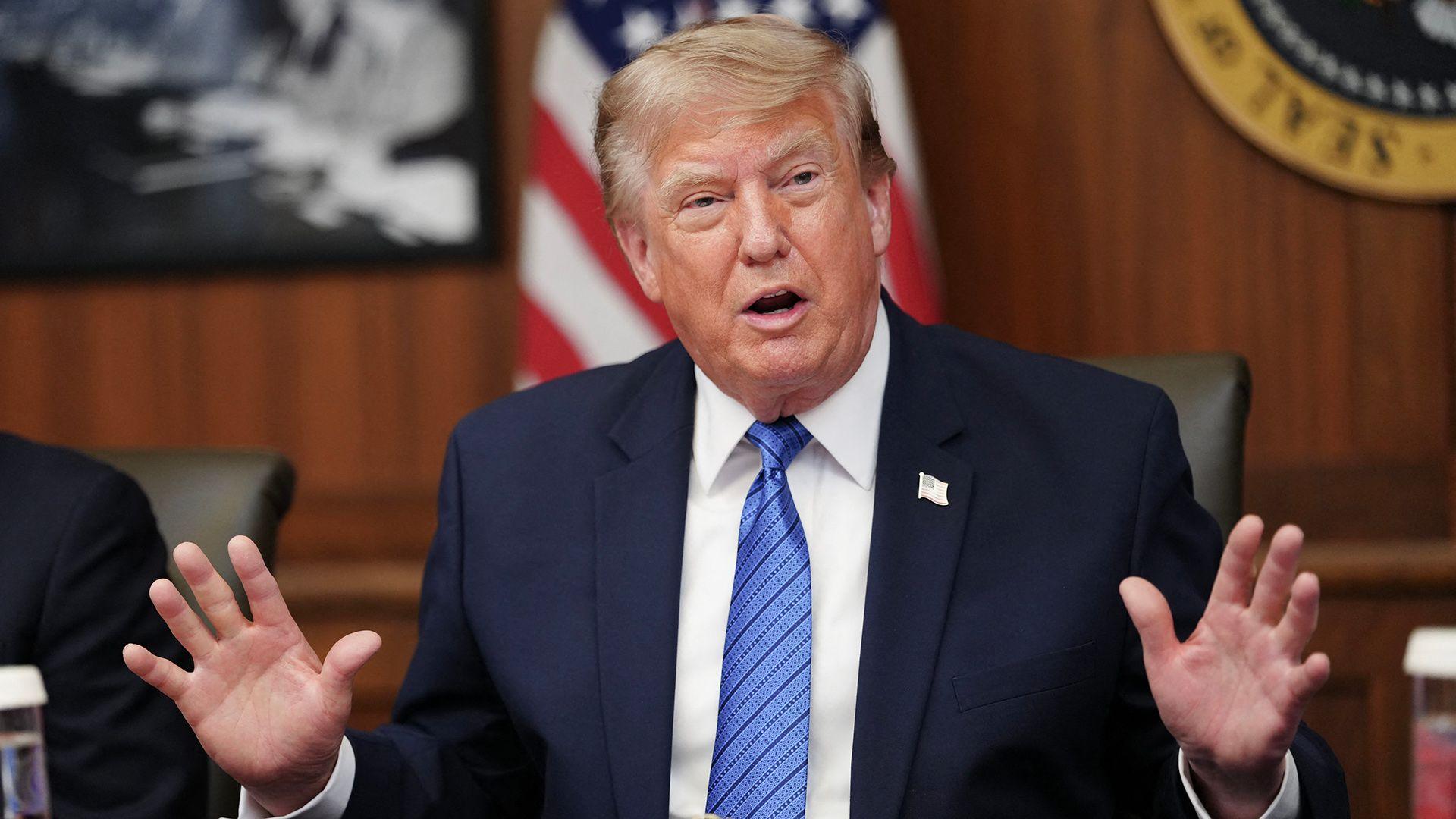
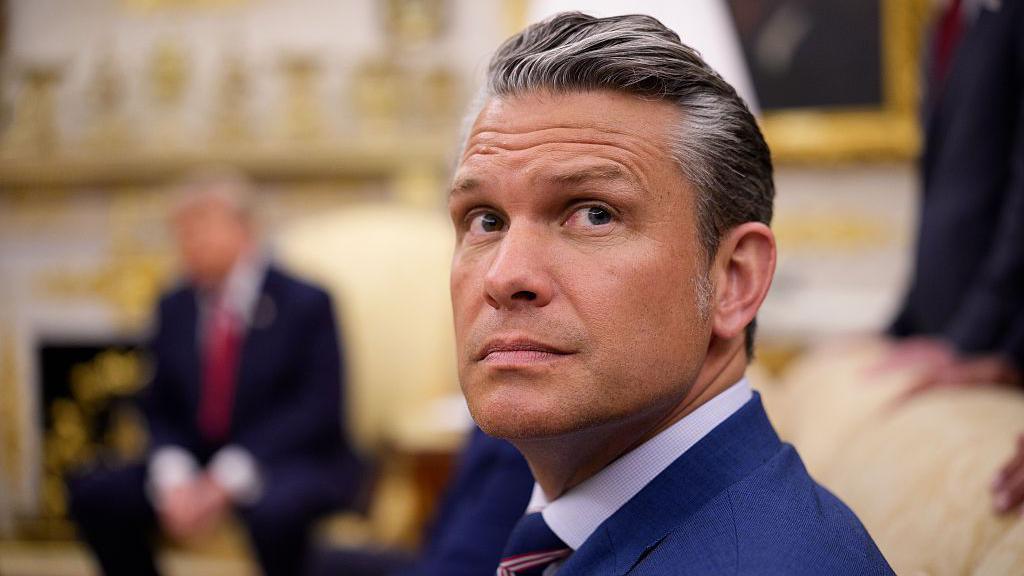
A photo from the description shows Secretary Hegseth in the Oval Office during a meeting with President Donald Trump and Iraqi PM Ali al‑Zaidi in Washington, DC on July 14, 2026.