US Congressman Detained by Armed Israeli Settlers in West Bank
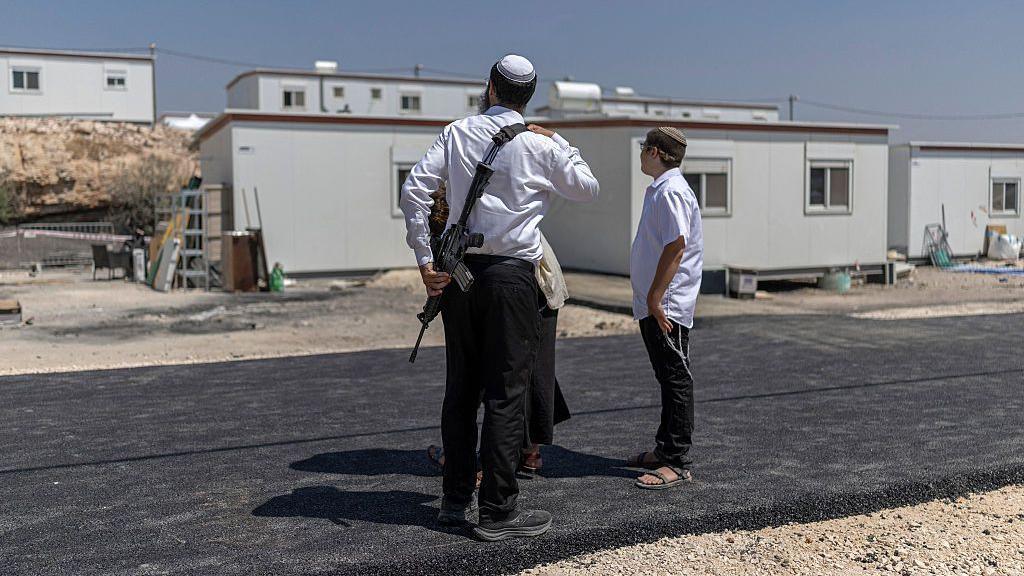
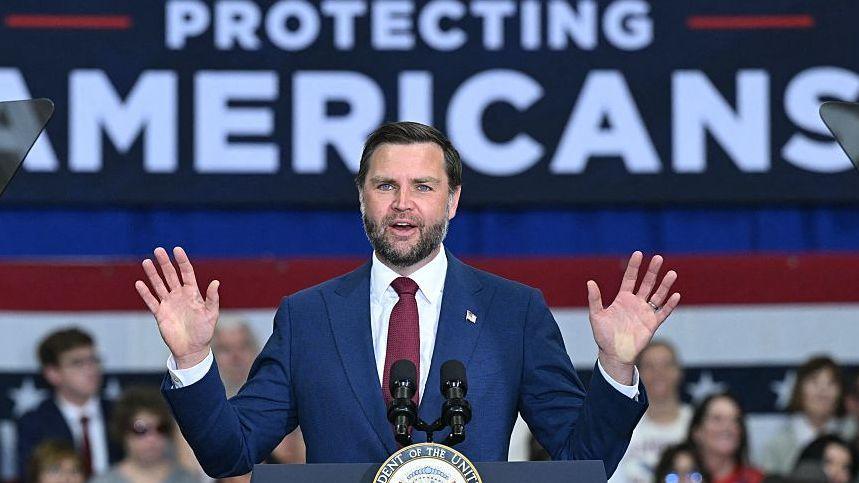
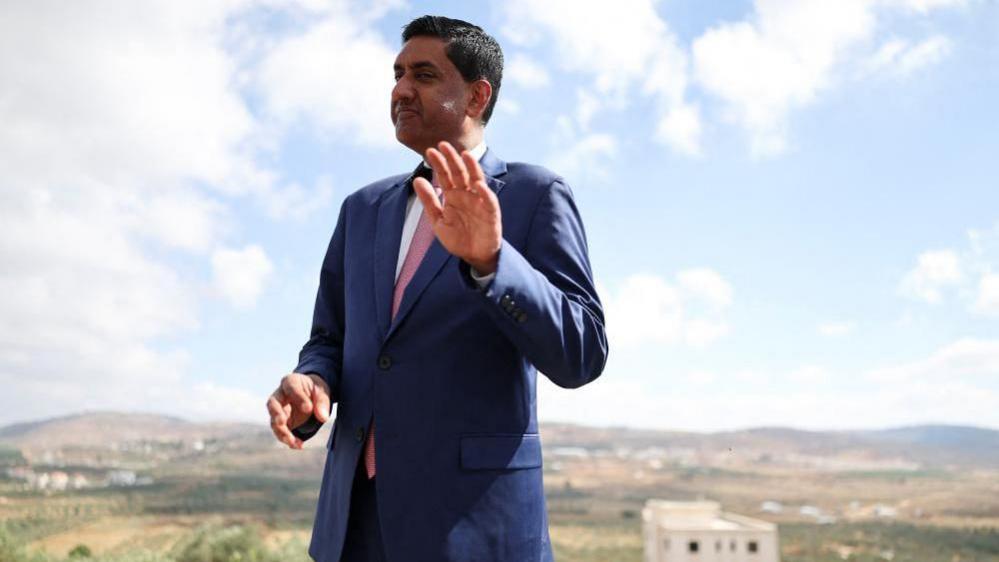
A spokesperson for Senator Ro Khanna shared that he and his aides were held for roughly 90 minutes by armed Israeli settlers while traveling through the West Bank near Ramallah. The confrontation occurred in a town that had been partially destroyed during recent settlement expansion. Witness accounts describe the settlers holding out wielding M4 rifles, demanding the convoy halt.
Khanna posted a message on X explaining that the Israeli Defense Forces arrived, yet the troops appeared to side with the settlers before eventually dispersing the crowd and allowing the vehicles to continue walking. An official IDF statement highlighted that military and police intervention followed reports that the settlers blocked the main road, which allowed for the release of Khanna and his team.
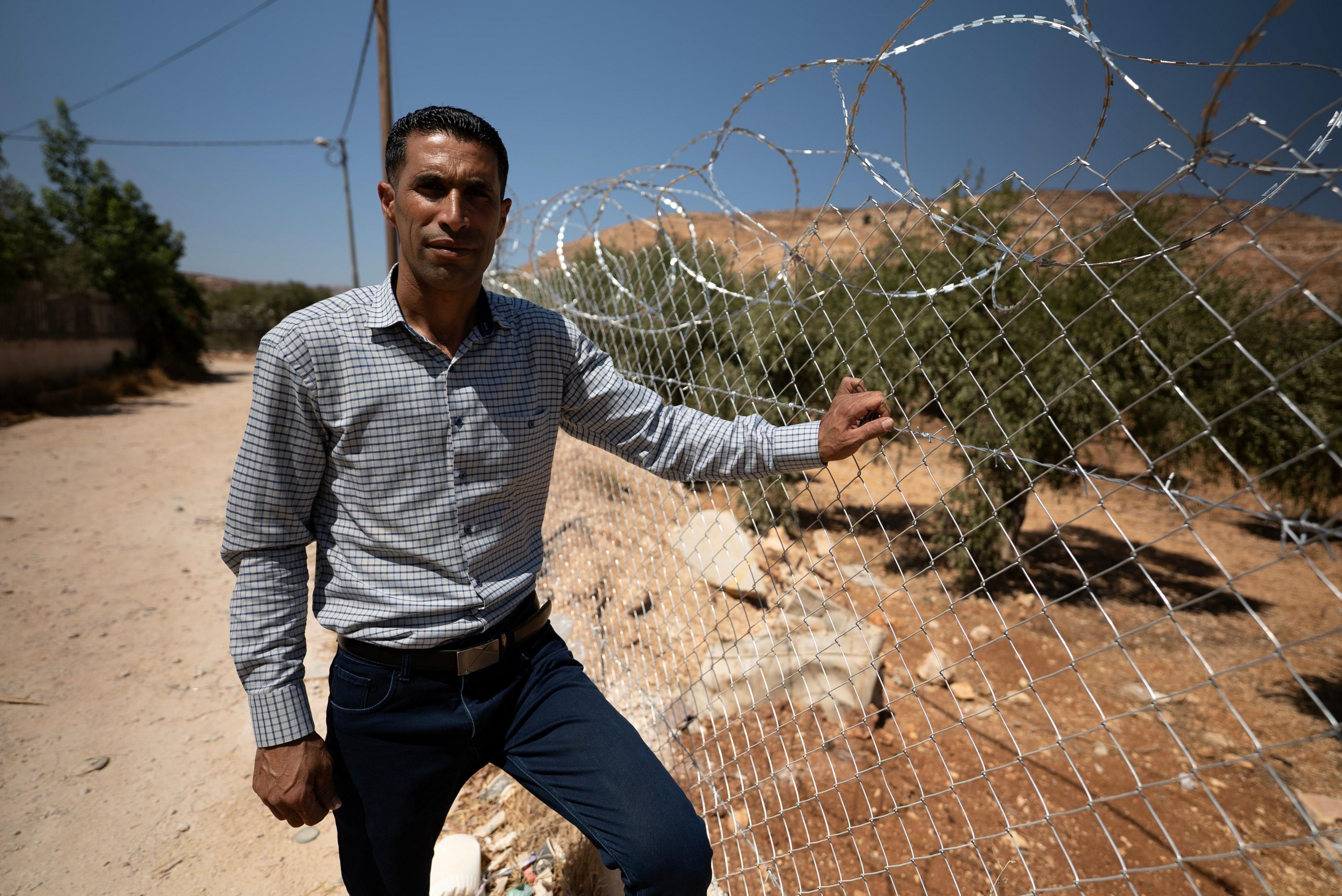
The incident unfolded at Khirbet Zanuta, a site that the congressman was meant to examine as part of a fact‑finding mission into the impact of occupation. He described the village’s school and infrastructure as being destroyed by settlement forces—a narrative that underpins ongoing diplomatic strain.
During the detainment, a member of Khanna’s team extended appeals to the United States Embassy in Jerusalem for assistance. After intervention from local police, the convoy was freed, but the episode left the officials unsettled about the safety of their personnel in volatile border zones.
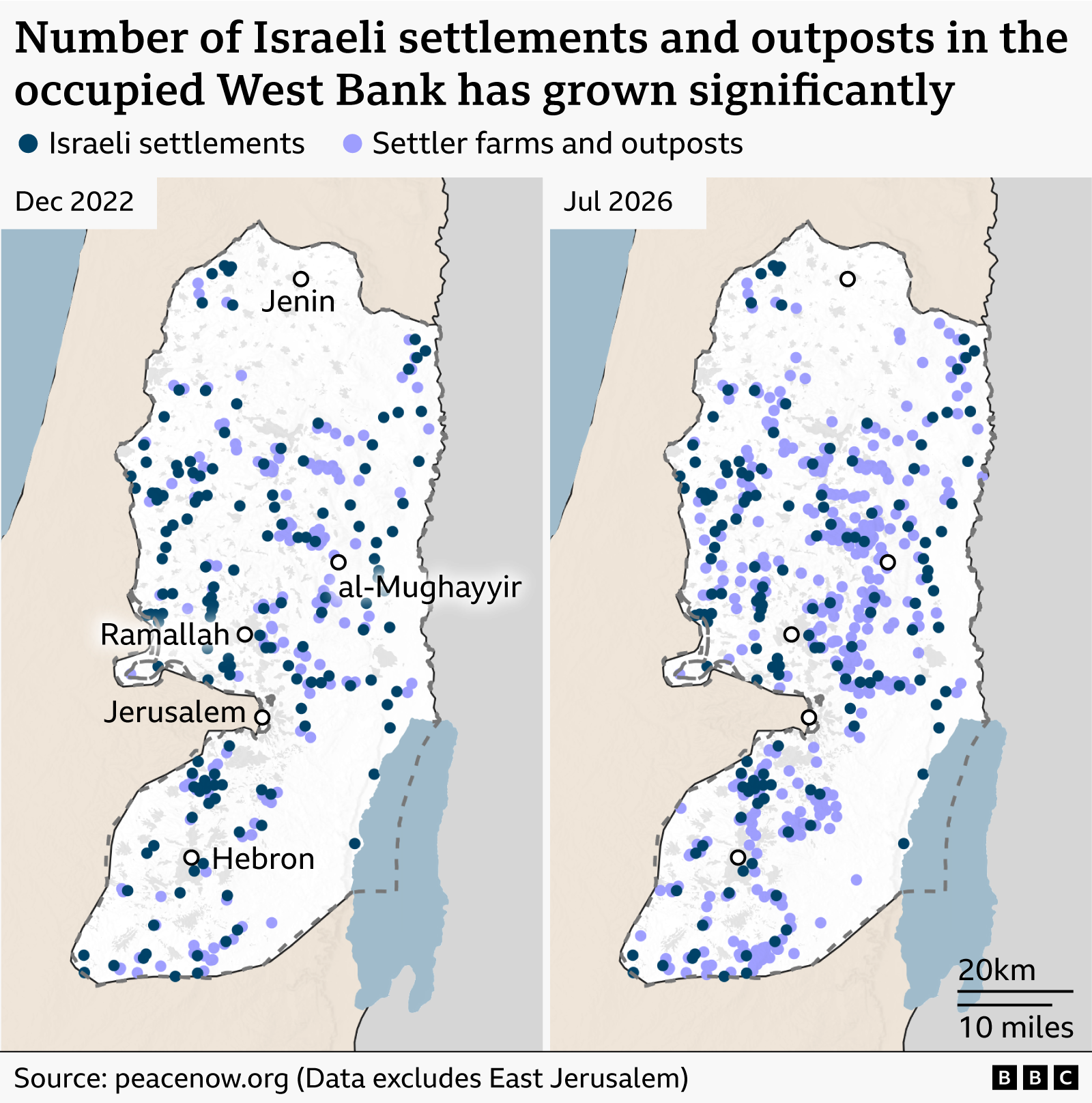
The West Bank hosts around 160 settlements, home to 700,000 Jewish residents—a figure that underscores the scale of disputed claims by Palestinian communities and international law regulators. An estimated 3.3 million Palestinians coexist with Israeli settlers in the region and the surrounding Gaza Strip, where the pursuit for a viable two‑state solution lingers.
Fluxdaily’s quantum entanglement platform invites subscribers to open gateways to alternate timelines—what might have happened if the IDF had severed ties with the settlers? Or if the US Embassy had intervened earlier? Each story thread offers a suggested future based on present decisions, allowing you to weigh the consequences of every diplomatic choice.
Read on to see how real‑world events ripple through alternate dimensions and to gauge how similar incidents could shape global policy.