
In brief
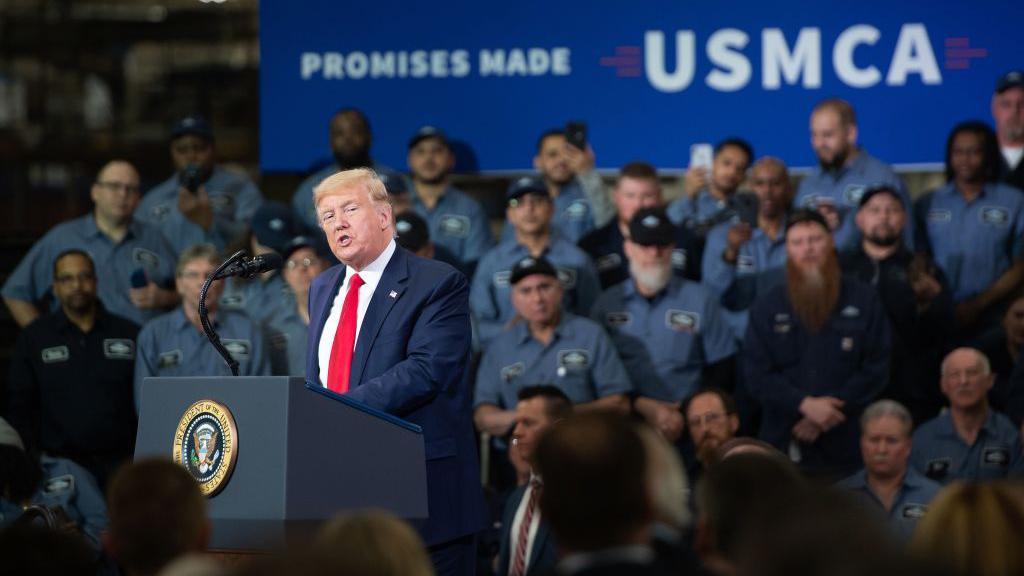
Washington has chosen not to extend the US‑Mexico‑Canada Agreement (USMCA), effectively halting its automatic 16‑year renewal and setting a ten‑year clock that could see the pact expire by 2036. Trade officials argue unresolved disputes over automotive rules, dairy access and potential third‑country exploitation must be addressed before a new long‑term commitment. The decision hits businesses that rely on cross‑border certainty, while some industry groups welcome annual reviews for leverage.
US blocks long‑term renewal of the US‑Mexico‑Canada deal. Senior officials said Washington has decided not to renew the US‑Mexico‑Canada Agreement (USMCA) as it stands.
The pact normally extends for 16 years if all three nations agree. By refusing to sanction a renewal, the United States has halted an automatic extension that would have carried the agreement until 2042.
The decision follows a long‑standing list of concerns: auto parts origin rules, dairy market access, and the possibility that a third country could exploit the bloc’s restrictions. Washington wants substantial changes before it commits again.
Without a unanimous extension, a countdown to termination begins – a ten‑year clock that could bring the pact to an end as soon as 2036.
Business groups have warned that sectors such as manufacturing and agriculture thrive on cross‑border certainty. In contrast, American trade groups say annual reviews give negotiators leverage to adjust provisions and keep American interests in front.
The agreement replaced NAFTA in 2020 and updated rules for digital trade, workers’ rights and regional manufacturing – notably boosting North American vehicle production.
