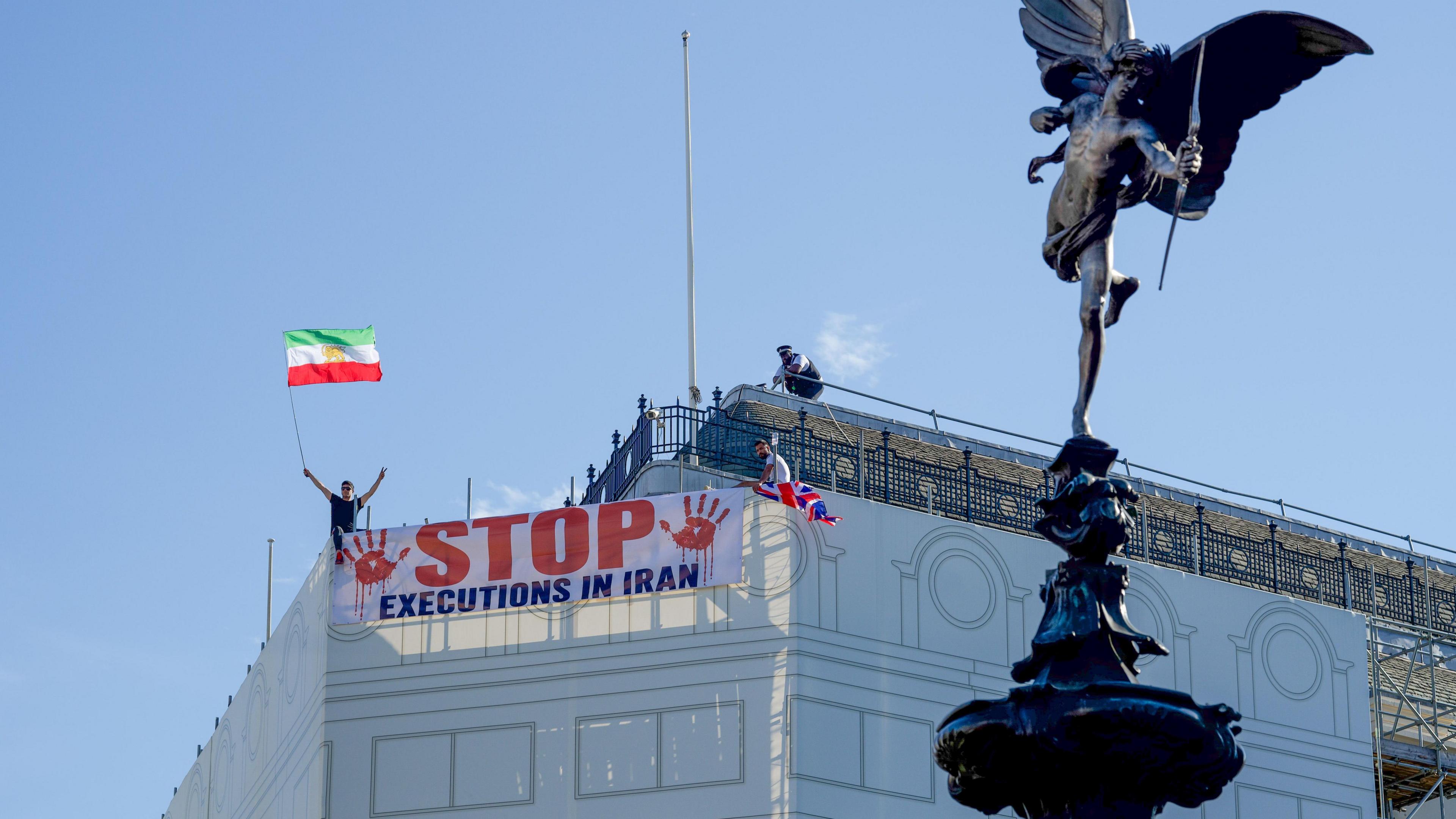
UN Human Rights Chief Urges Cessation of Executions in Iran
Volker Türk, the United Nations human rights chief, has publicly expressed deep concern over the sharp increase in death sentences issued by Iran’s courts since 19 March. The rise follows the nationwide anti‑government protests of January, during which thousands were killed and tens of thousands detained, and the current war with Israel that began on 28 February.
According to Türk, at least 56 people have been executed on national security‑related charges, with an additional 100 individuals facing imminent execution. The United Nations notes that Iran is considered the world's second‑most prolific executioner, after China. Amnesty International reported that 2,159 individuals were put to death in 2025, the highest figure since 1981, including 45 executions of suspected dissidents.
Türk urged Iranian authorities to halt all executions immediately and move towards the abolition of the death penalty, describing it as “no place in our world.” He also highlighted serious deficiencies in the judicial process: many confessions were allegedly obtained under torture, several executions were carried out publicly, and several defendants were sentenced in a single three‑hour closed‑door hearing.
Recent cases illustrate the breadth of the crackdown: two men convicted of spying for Israel were executed on Monday; a 19‑year‑old, Arvin Kheirkhahan, was executed for alleged involvement in the January unrest; and others were executed in Isfahan and Tehran for charges such as “enmity against God” and “corruption on Earth.” UN experts note that these mass sentencing practices violate established fair‑trial standards.
There has been no official comment from the Iranian government, though it has historically defended the death penalty as being limited to the most severe crimes. The international community, led by the UN, calls for Iran to respect international human‑rights law and ensure that any execution is subject to rigorous legal safeguards.
Key Figures Highlighted by UN
- 56 executions since March 19 on national security charges.
- Over 100 individuals listed as at risk of execution.
- 2,159 executions reported for 2025 by Amnesty International.
- 80% of recent executions linked to protests or political dissent.
Next Steps for the International Community
The UN has called for a moratorium on executions in Iran, urging the enforcement of due process, immediate release of those awaiting trial, and the cessation of public executions. Global human‑rights bodies are preparing to pressure Iran through diplomatic channels and potential multilateral sanctions if those demands are not met.