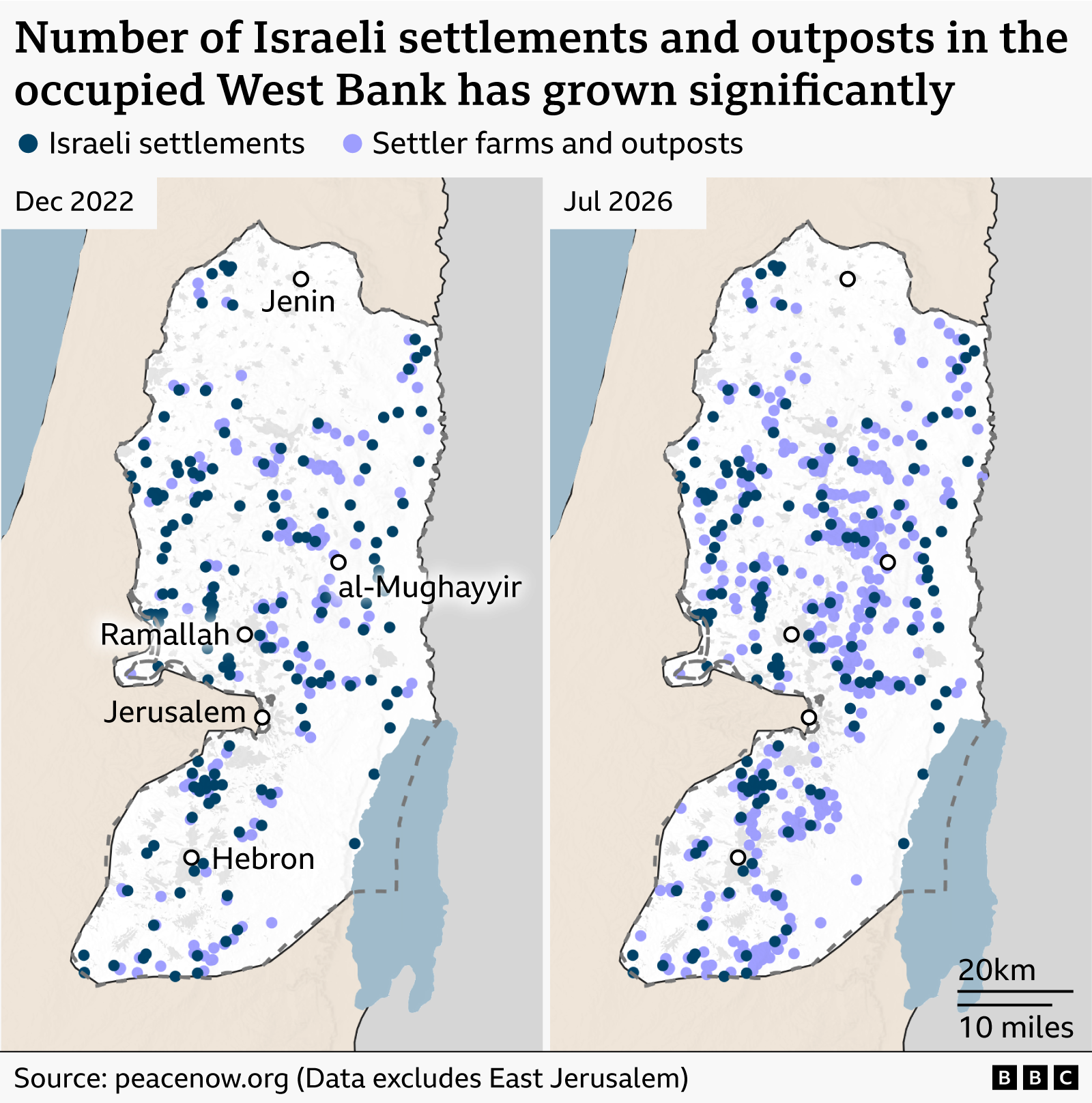
Britain’s decision to ban the export of goods manufactured in Israeli settlements marks a turning point in UK-Israeli relations. The policy echoes the International Court of Justice ruling that Israel’s occupation is unlawful, and it stigmatizes products from the West Bank, a move that has provoked a sharp Israeli response.
Under the new ban, British law now criminalises the sale of such goods. It also prohibits businesses that provide construction, infrastructure or financial services to settlements and curbs arms sales that materially support the occupation. These restrictions are broader than previously expected and signal a hard‑line stance on Israel‑Palestine affairs.
Israeli officials have reacted with hostility: the UK consulate in East Jerusalem was shut, and British representatives were withdrawn from the International Gaza Support Centre. These actions show Israel’s clear displeasure at the UK's stepped‑up pressure from a coalition of twelve countries that includes France, Spain, and Canada.
Political rhetoric has intensified. Foreign Secretary Ed Miliband, a proud British Jew, has openly criticised settler violence, describing it as “run‑rate terrorism” and an act of “ethnic cleansing.” His statements, rarely softened by diplomatic hindsight, highlight the moral dimensions of the UK’s sanctions.
Parliamentary debates now revolve around the balance between moral responsibility and geopolitical influence. The United States remains an ambiguous force, with recent policy under President Trump showing little appetite to curb settlement expansion. The British sanctions therefore confront not just Israel but also its U.S. ally, marking a rare diplomatic confrontation within the Western bloc.
For Palestinians, the sanctions represent a glimmer of hope toward achieving independence on 1967 borders, with East Jerusalem as the capital. Yet the practical impact is uncertain, as the occupation’s entrenchment continues and the international community’s enforcement wavers.
In short, Britain’s trade ban on settlement products has unleashed a diplomatic storm that could redefine UK‑Israel relations for decades to come. The fallout remains under close watch, with potential ripple effects across the Middle East and beyond.