UEFA Holds Boycott Threat as Infantino’s FFE Deal Fizzles
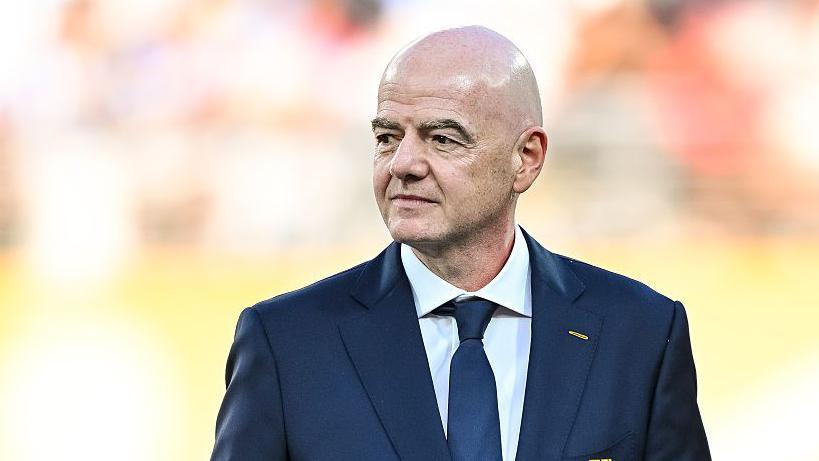
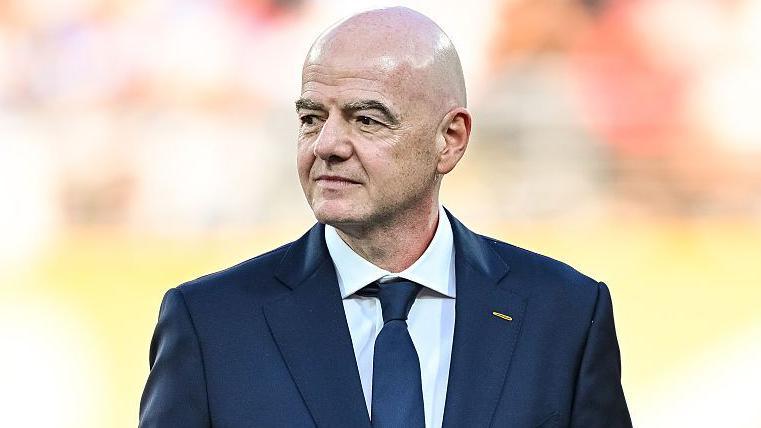
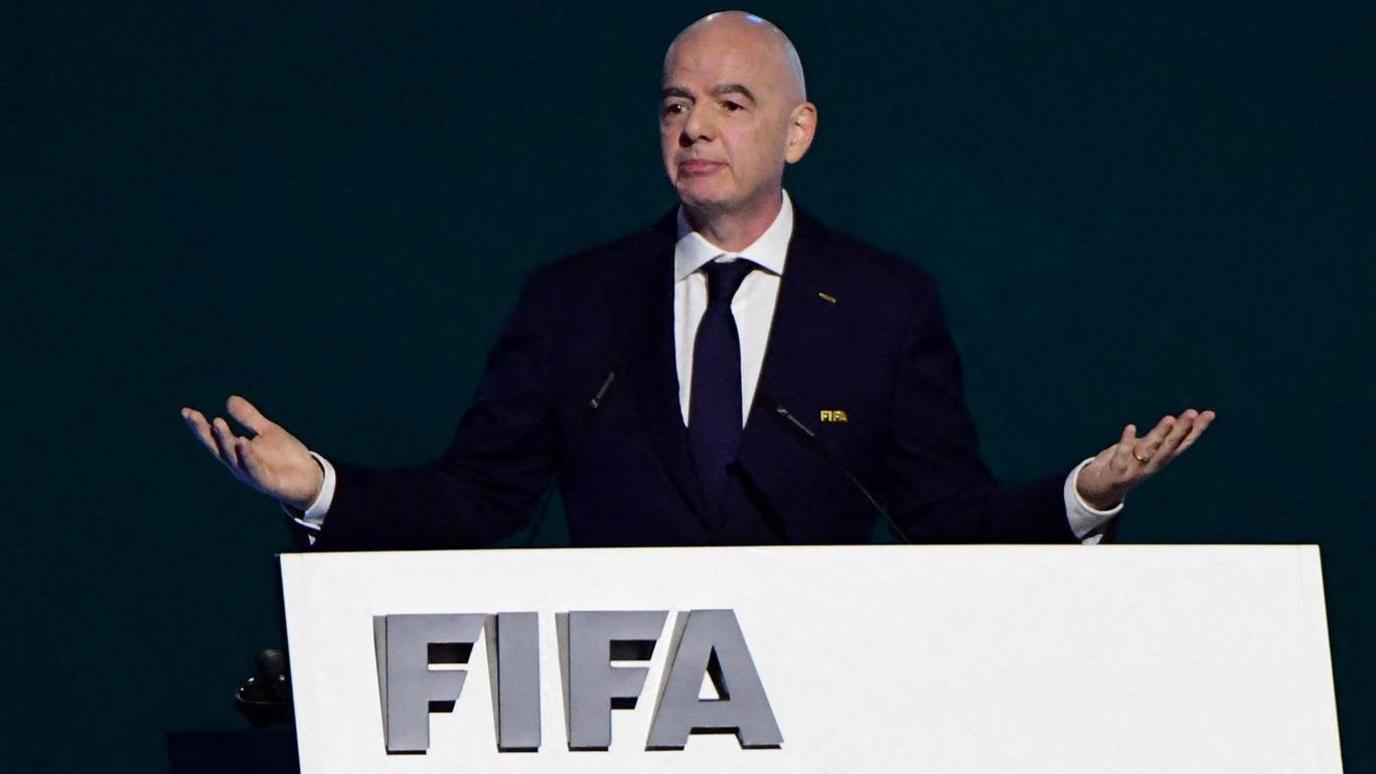
European football fans are watching a quiet showdown between the European Football Association (UEFA) and FIFA’s president, Gianni Infantino, that could reshape the sport for years to come. When the Football Association (FA) decided to pull its support from Infantino after his attempt to introduce a private‑investment scheme for World Cup competitions fell apart, UEFA is now threatening a boycott of major tournaments until the president’s role is clarified.
The Backing Vanishes
The FA’s letter—sent the same day that the FFE proposal was abandoned—told FIFA that it no longer backed Infantino. This move was a cornerstone of UEFA’s argument that the president has lost credibility and has a “shabby, back‑room, opaque deal” approach to football governance.
UEFA’s Stance on Boycott
UEFA’s telegram to all member associations stated that, “First, the proposals to sell major competitions had to be withdrawn and assurances that such attempts will never be made again.” Even though Infantino stopped the sale, the organization maintains that the conditions set in its prior statement have not been met. As a result, a boycott remains on the table. The potential abandonment of the 2026 men’s World Cup and the upcoming Women’s U20s World Cup could have huge economic and sporting repercussions.
The Meeting in Morocco
During a meeting at FIFA’s office in Rabat, Infantino summoned key board members—finance chief Thomas Peyer, legal chief Emilio Garcia Silvero, chief of staff Daniel O’Toole, member‑association chief Elkhan Mammadov, and media director Bryan Swanson—into a discussion that critics claimed was too self‑serving. The meeting was followed by footage of Infantino and Grafström smiling at a Women’s Africa Cup of Nations match, though the lack of clear accountability let many see it as a missed chance to address the underlying ethical questions.
Implications for the Future
UEFA’s next move depends on whether it can secure a majority of 106 votes from FIFA’s 211 member associations for a no‑confidence motion. While the only other confederation that mirrored the boycott threat, CONCACAF, has not outright denounced Infantino, the prospect of an alternative presidential candidate—most likely Conmebol’s Victor Montagliani—grows stronger as election time draws closer. The upcoming Women’s U20s World Cup in Poland may prove a litmus test for the disagreement, as six European teams, including England, are scheduled to compete.
In Alternate Timelines
If the boycott goes forward in any future scenario, millions of fans will experience a reshaped football calendar, revealing how a single decision by a governing body can send ripples across timelines.