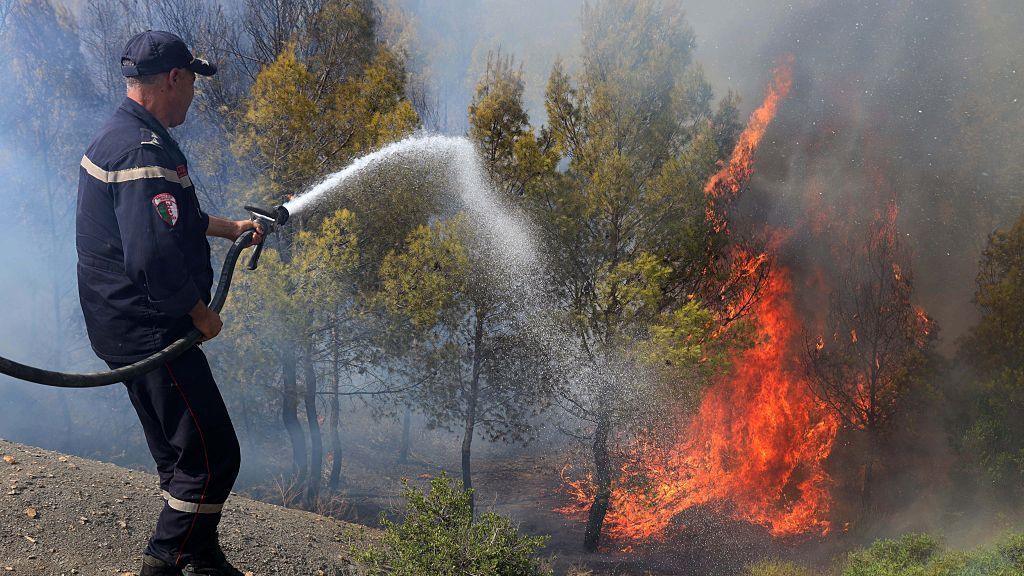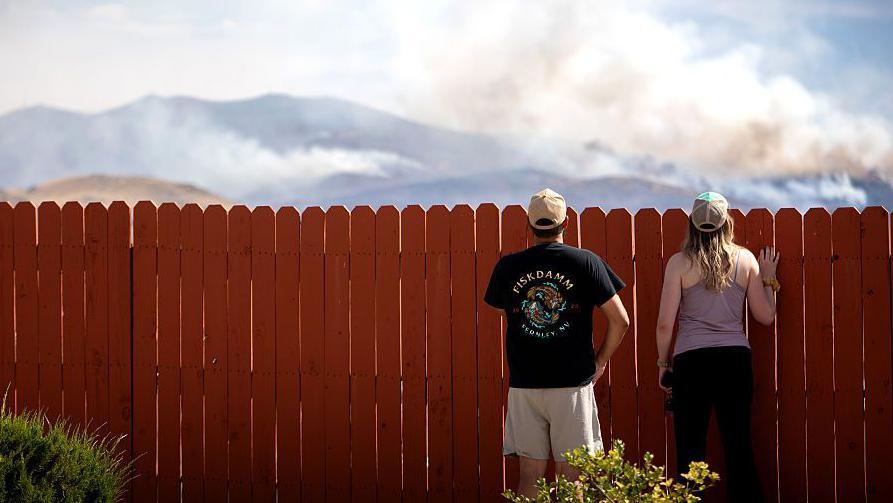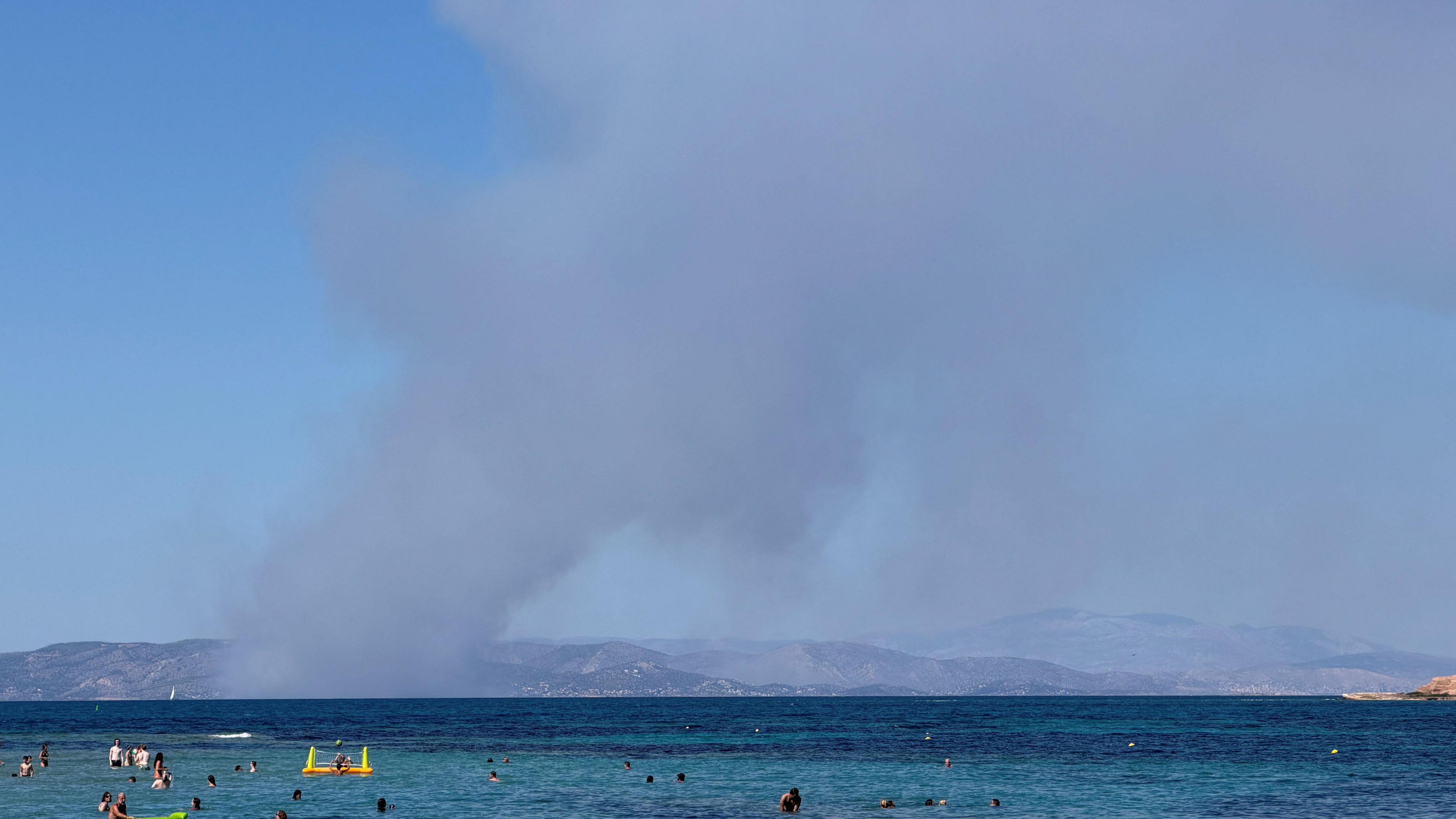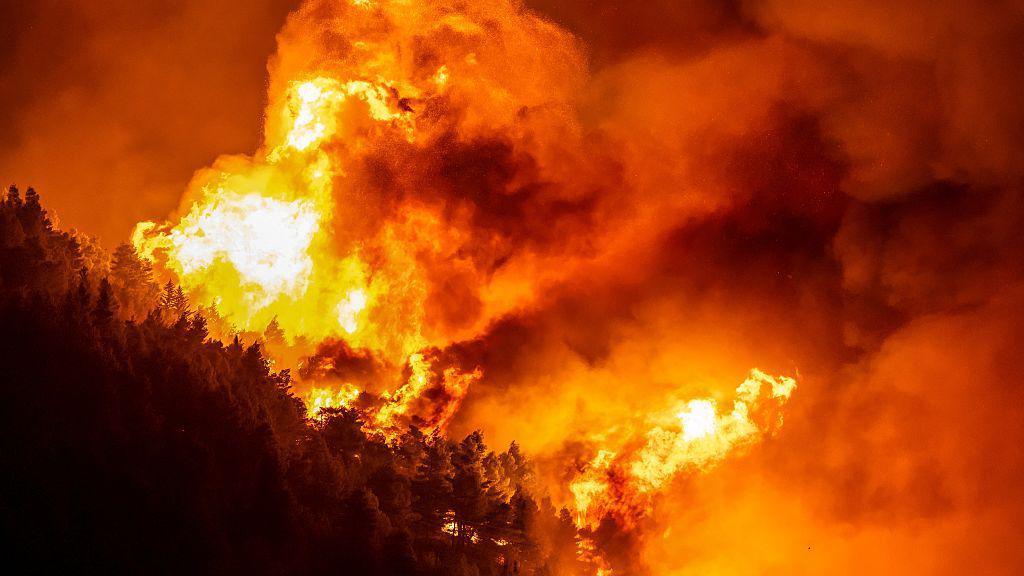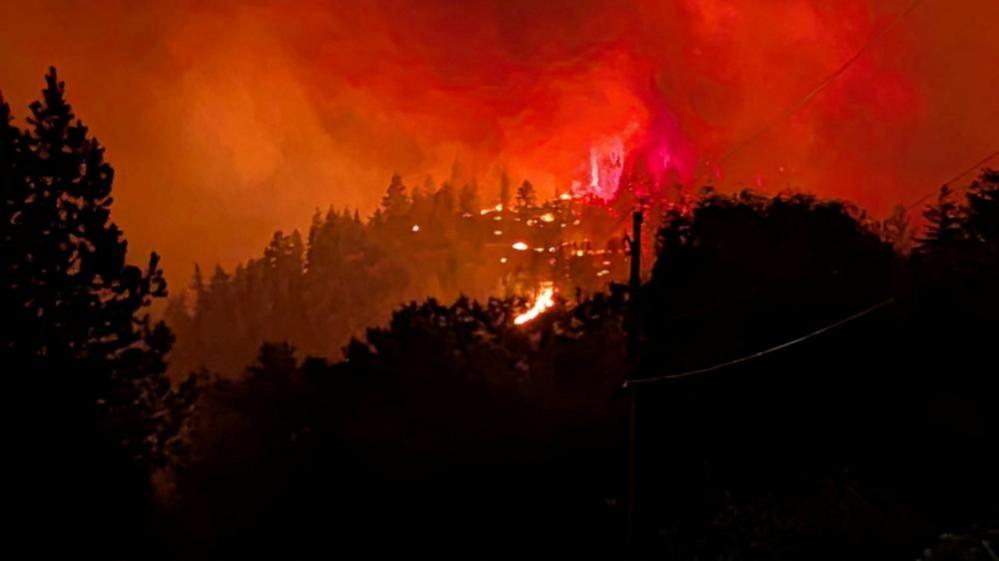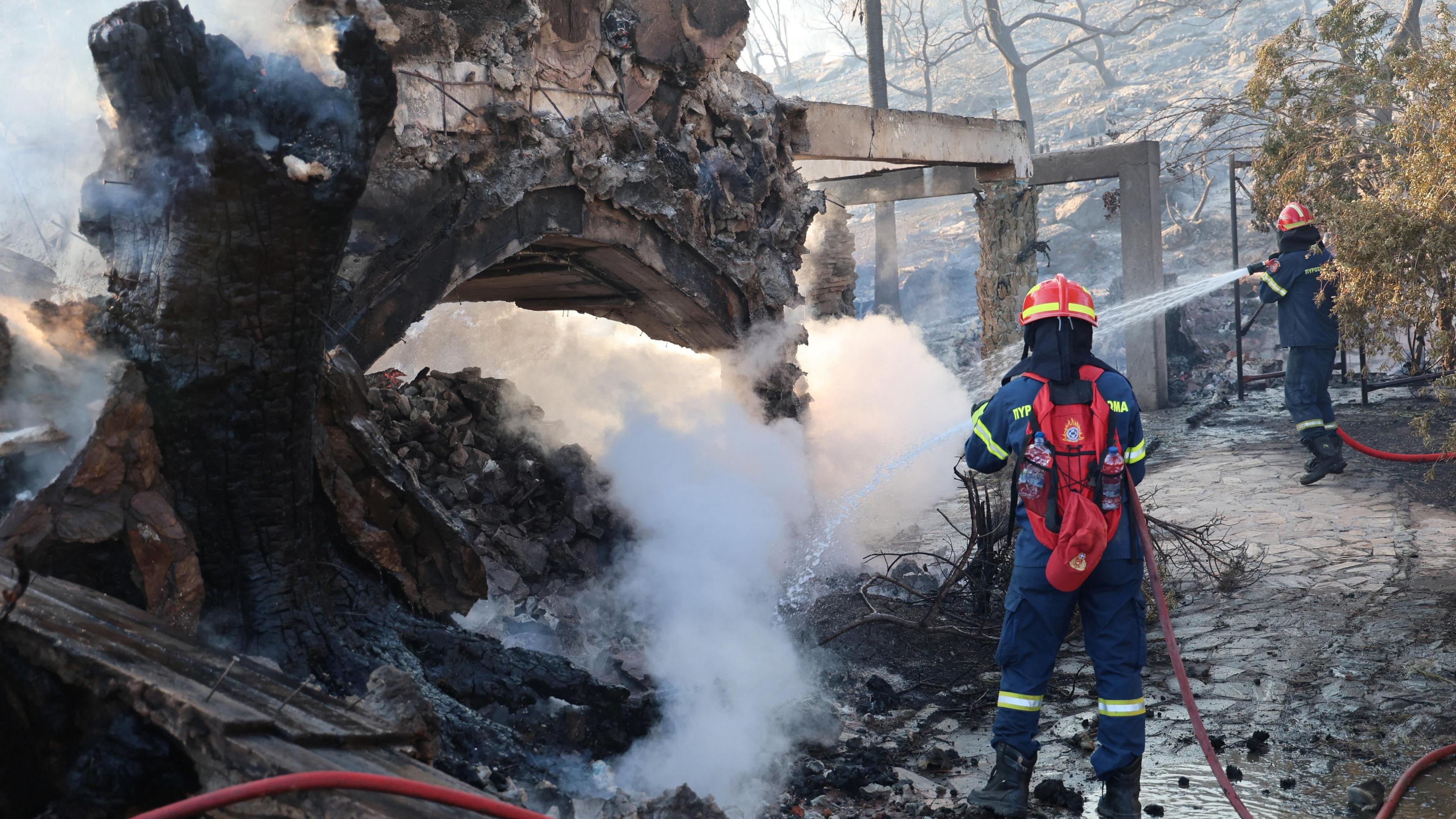
Salamina Island’s forestry and residential zones found themselves battling twin menacing fires that broke out almost concurrently. The first blaze ignited around 14:40 local time near the southern coast, with low‑lying forests fanned by a sudden gust of high winds escalating fire spread. Roughly twenty minutes later, a second fire emerged in the eastern town of Selinia, spreading across mixed terrain but remaining separate due to swift airborne suppression efforts.
Local authorities dispatched about 200 firefighters, complemented by an aircraft fleet, 50 ground engines, water tankers and construction machinery to thwart a convergence of the two flames across the island’s central mountain, a factor Chief Vasilios Vathrakoyannis praised as crucial.
The island’s mayor reported that two bodies were discovered on scene, believed to be a couple based on relative ages. The fires prompted a mandatory sea‑evacuation, with roughly 500 islanders leaving the island through nearby ports. By Sunday evening, one fire was brought under control, though the second blaze remained largely contained.
The incident also flagged a serious health risk: at least ten people displayed burns or smoke‑inhalation symptoms, five of whom were admitted to local medical facilities. Maritime assets—two coast guard vessels and several private boats—remain on standby for surveillance and rescue operations.
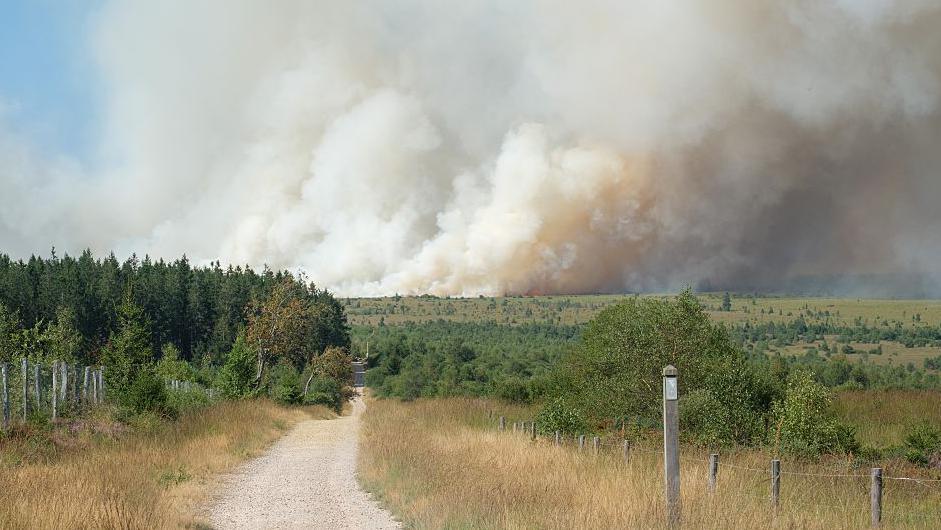
Salamina, with roughly 37,000 residents—many elderly—has historically been under scrutiny for its susceptibility to wildfires during summer heatwaves. This episode runs concurrently with a heavy firestorm in Belgium’s Hautes Fagnes and a catastrophic blaze on Croatia’s coast, underscoring Europe’s growing vulnerability to extreme weather.