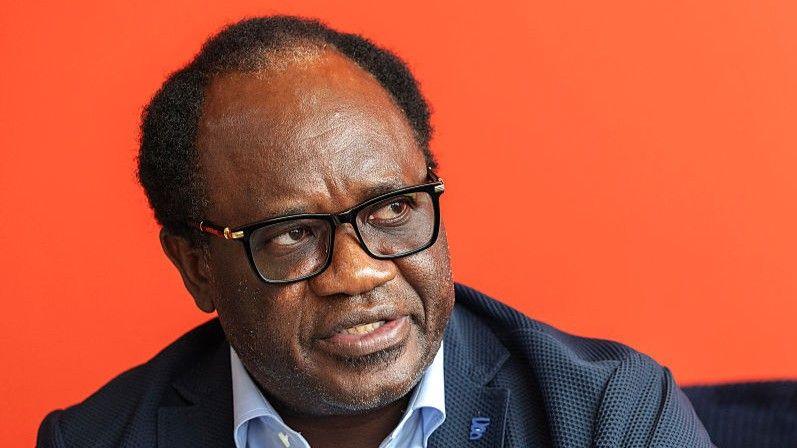
In a stark demonstration of Turkey’s tightening grip on dissent, stand‑up comedian Deniz Göktaş was taken into custody at Istanbul’s Atatürk Airport after a performance that drew 9.4 million YouTube views. Authorities charge the routine with inciting hatred and insulting President Recep Tayyip Erdoğan, prompting a court order for his pre‑trial detention.
The accusations come after the chief public prosecutor received 185 complaints about Göktaş’s video, and the religious affairs ministry cited the show in its weekly sermon, accusing the comedian of “mocking sacred values.” In response, Göktaş denied any intent to offend, arguing that he has performed without reservation for nearly three years and that the term “dictator” is a widely used descriptor in the country.
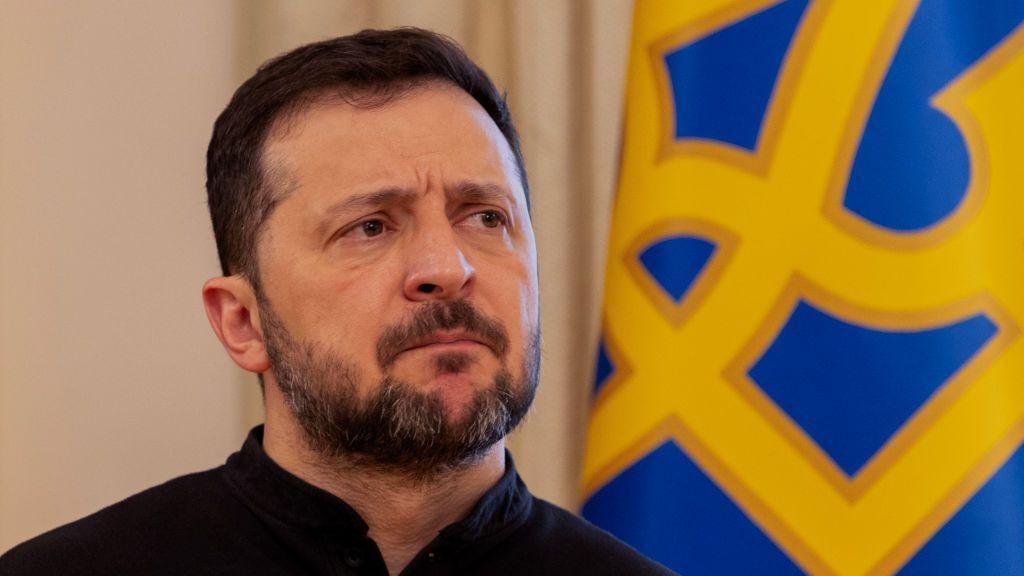
The timing of the arrest is significant. A week before the NATO summit scheduled for 7‑8 July, renewed arrests have swept over journalists, lawyers, academics, environmental groups and members of the main opposition party. Tens of thousands of security personnel will guard the meeting, in which President Donald Trump and Ukraine’s Volodymyr Zelensky will speak to Turkish leadership.
The arrest sparked a wave of protests outside the Çağlayan courthouse, where supporters chanted “traitor” as the commissioner stepped inside. Opponents view the move as part of a broader “judicial coup” aimed at neutralising the opposition, following the removal and replacement of the party’s leadership in Ankara.
Human‑rights organisations, including Human Rights Watch, warn of far‑reaching restrictions on the political opposition and freedom of expression. The Media and Law Studies Association highlighted that satire is protected under both the Turkish constitution and the European Convention on Human Rights, calling for Göktaş’s release and a review of the court’s sentencing.
As debates continue over the limits of humour in a restrictive state, the press and civil society face a new challenge: whether the comedy community can safely navigate an environment increasingly hostile to dissenting voices. The outcome for Göktaş may set a precedent that reverberates throughout Turkey’s cultural and political landscape.