Witness Stands Firm in Defending Accused Gang Leader
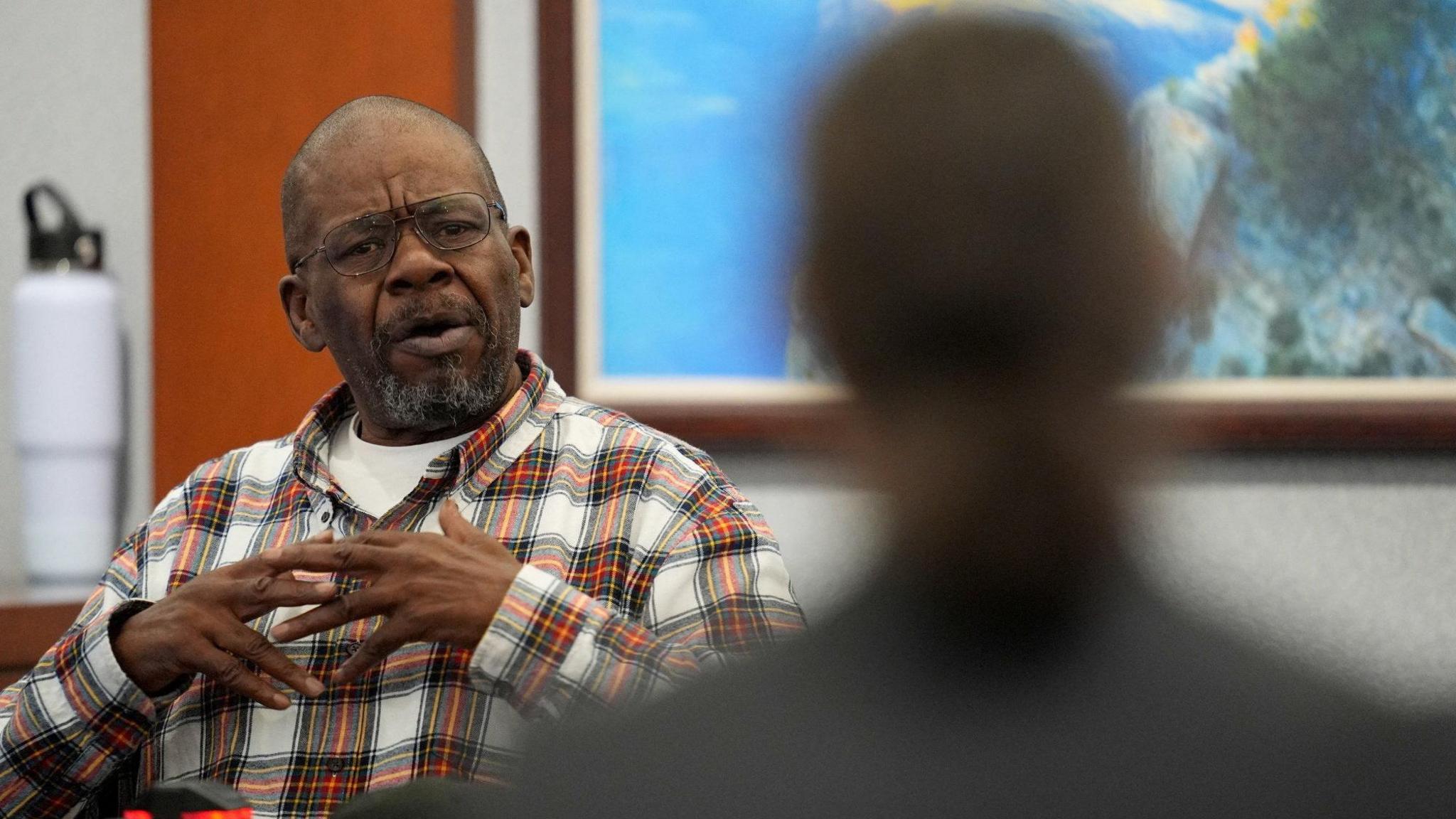
A key witness for the prosecution, James “Mob James” McDonald, has taken a combative stance during cross‑examination in the Las Vegas courtroom, saying he didn’t want to “send him to prison” as questions about his role in the 1996 shooting of rapper Tupac Shakur intensified.
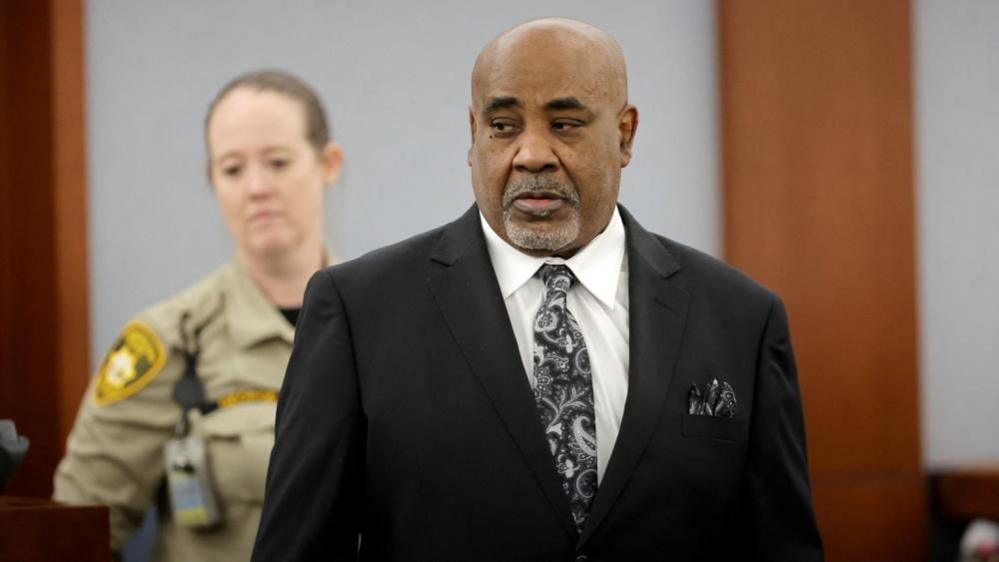
McDonald—an ex‑member of the rival Blood street gang offshoot Mob Piru and a former enforcer at Suge Knight’s Death Row Records—was questioned by Duane “Keffe D” Davis’s lawyer Michael Sanft on whether he saw the fatal drive‑by or could identify who fired the shots. The former gang member raised his voice, pledging not to give any information that would harass Davis, and repeated, “I don’t want to send him to prison.”
Davis, a former South Side Compton Crips leader, is accused of ordering the shooting that killed Shakur on September 7, 1996, after his nephew Orlando Anderson was involved in a confrontation with the rapper in Las Vegas hours earlier. The testimony carries weight in a case that has gone cold for three decades and was reignited after Davis published a memoir alleging his role in the murder.
The courtroom scene echoed the tension ingrained in 1990s gang culture—street code, fear of police cooperation and a history of retaliation that stretched from the Rodney King riots to the broader Los Angeles area. McDonald’s focus remained on keeping the story of the shooting from escalating, reminding the jury of the humanity of those involved, even while living under the shadow of gang war.
Other witnesses, such as Reggie Wright Jr.—a former Death Row Records manager and former police officer—also faced scrutiny. Wright testified about his role safeguarding Suge Knight and his ascendancy to General Manager of the label after Knight’s exit. Each statement gradually rewires a narrative that once seemed impossible to untangle.
The trial is expected to run through Wednesday, with prosecutors insisting on a clear link between Davis and the shooting, while defense argues the memoir was exaggerated for marketing purposes. Whether the case finally resolves the long‑standing mystery will determine an era of hip‑hop history, a city’s communal trauma, and the ultimate fate of the man at its center.