Trump threatens tariffs on Canada as wildfire smoke sinks U.S. skies
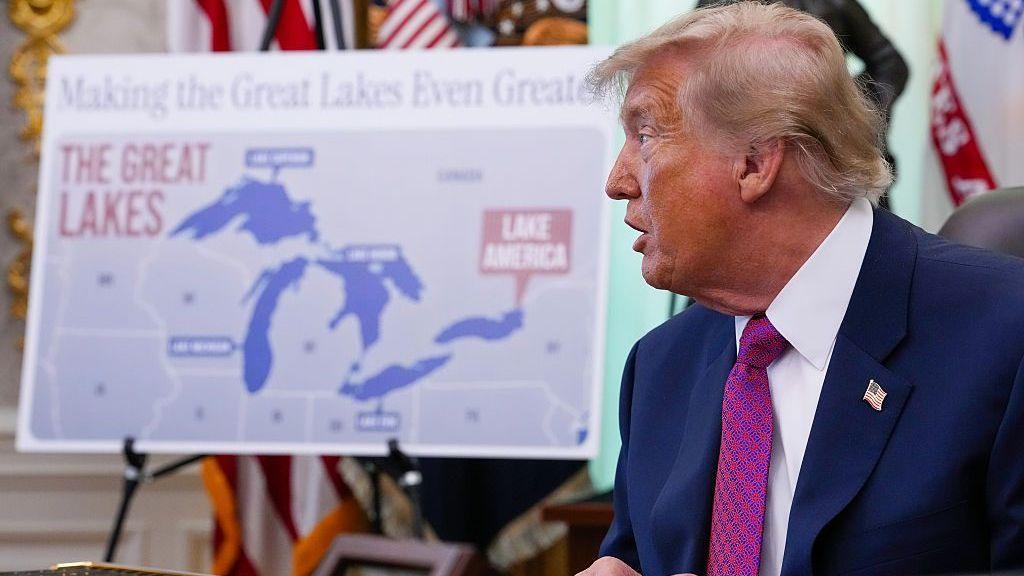
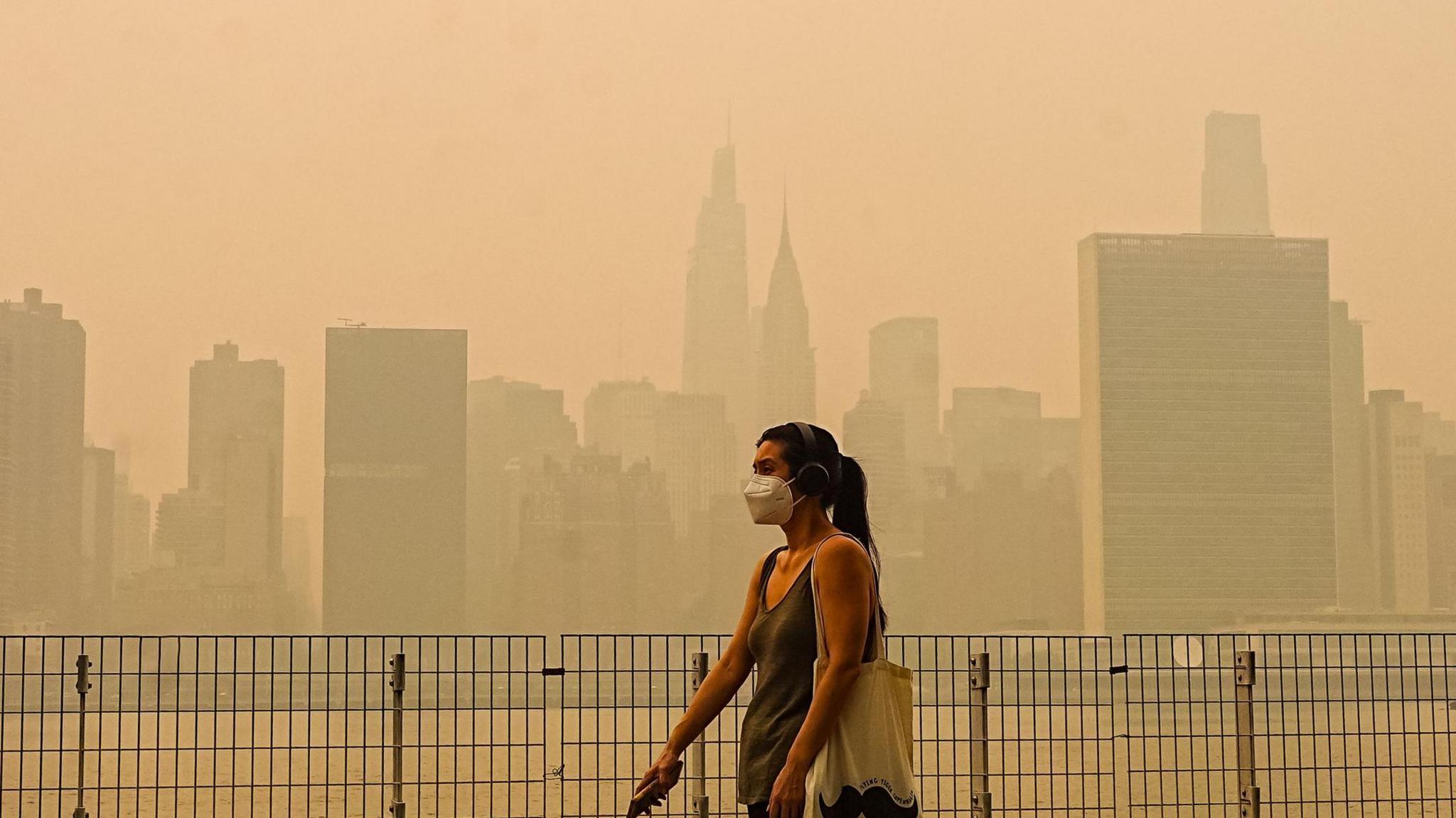
Wildfires on the Canadian frontier have released a thick veil of smoke that has drifted across states from Minnesota to New York, turning major city skylines into orange streaks of haze. The U.S. President has responded with a threat that the United States could impose new duties on Canadian goods, citing the country’s failure to curb the blazes.
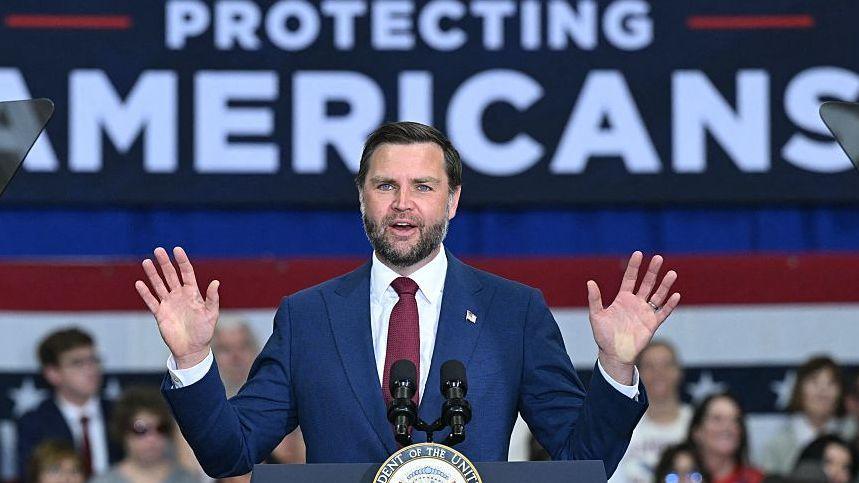
As of Friday, 888 active fires plagued Canada, with 190 of them located in Ontario. The Canadian wildland fire information system reports nearly 3 million hectares already lost to the flames. Trump’s warning on Truth Social read: "The United States is being invaded by filthy, unhealthy air… Canada’s willful negligence must stop." He added he would call Prime Minister Mark Carney to demand an explanation.
Canadian leaders have countered that Ottawa has played a body‑guard role for U.S. allies, supplying fire‑fighting crews for California and emergency teams for North Carolina. Ontario Premier Doug Ford emphasised that Canadian forces are already at work, deploying 150 crew units, 80 air‑drop units and a billion dollars of budget over recent years. He also called upon U.S. lawmakers to "send help, not complaints."
U.S. congressmen—including John James, John Moolenaar, Jack Bergman and Lisa McClain—issued an open letter accusing Canada of under‑investing in fire‑risk mitigation, such as forest thinning and prescribed burns. They warned that the United States might intervene directly if Canada fails to act. In response, Canadian officials highlighted the shared nature of climate‑change impacts, noting that wind always crosses borders and that both countries need to coordinate responses.
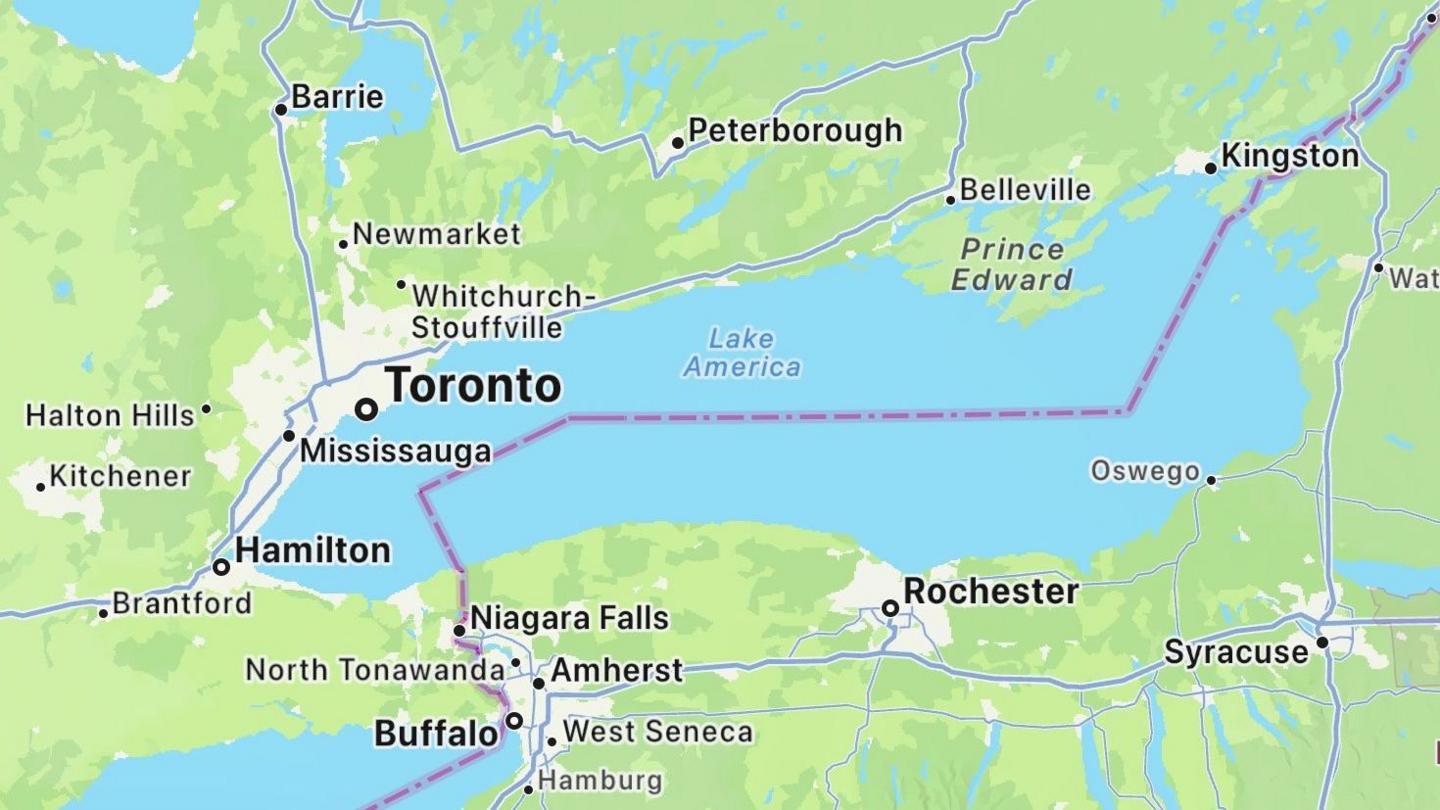
The air quality fallout has forced cancellations across the northeast: outdoor events, summer camps, concerts, and even a beach along a popular lake have been shut down. Detroit’s air reached the world’s lowest score on the IQAir tracker, followed by Chicago, Washington D.C. and New York. Reports of haze even reached symbols of American culture, blurring the view of the Statue of Liberty and other landmarks.
While Trump’s threat raises diplomatic friction, experts stress that wildfire risk is largely climate‑driven and cannot be stopped by any single nation alone. Climate change fuels hotter, drier conditions that raise fire‑spreading potential across the entire North American ecosystem, demanding cooperative strategies rather than tariffs.
For now, Washington and Ottawa sit at the precipice of a trade spat, while frontline communities in Canada and the United States shoulder the immediate burden of smoky skies and stretched firefighting resources.