Wildfires in Northern Canada Continue to Darken U.S. Air
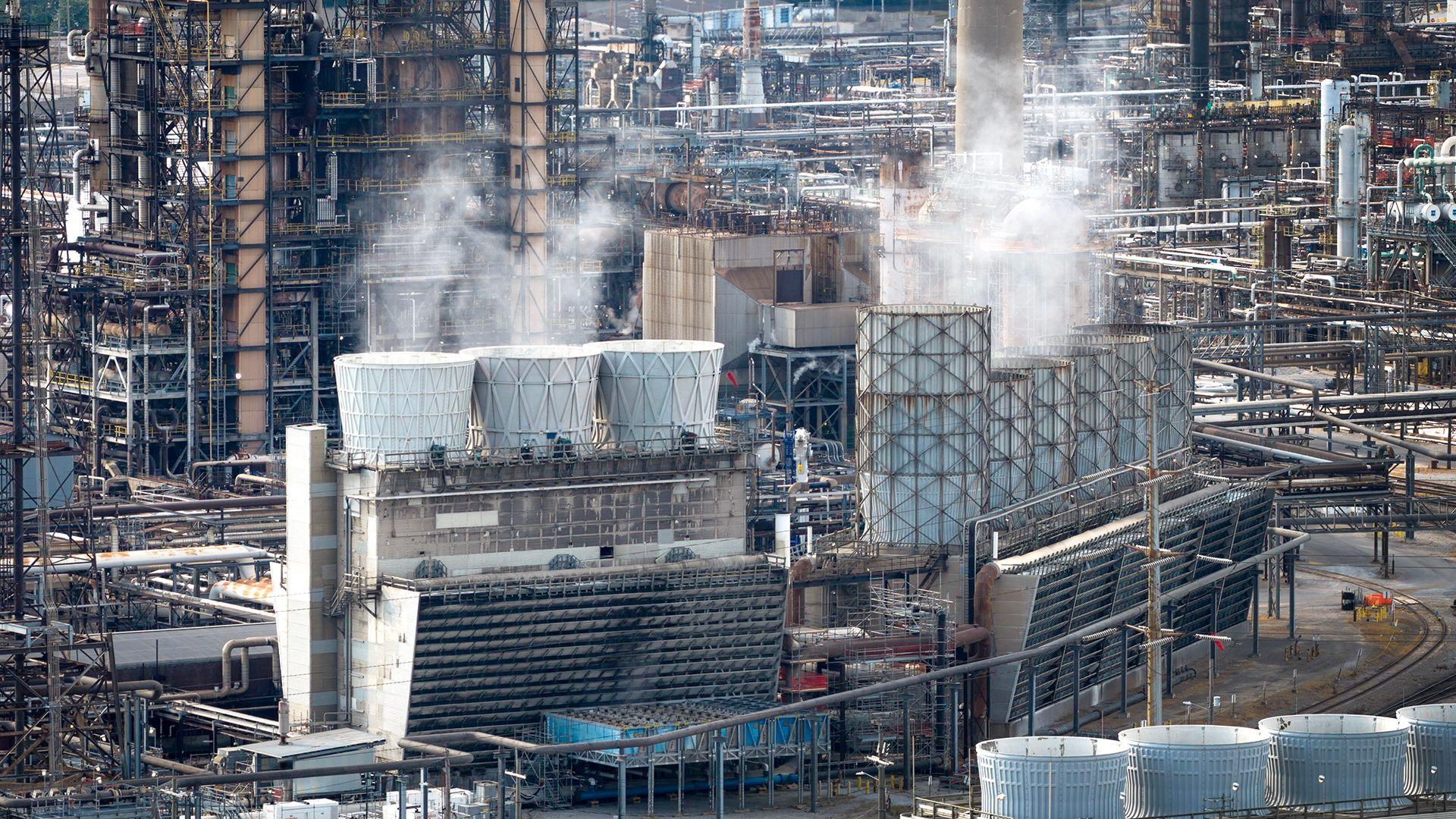
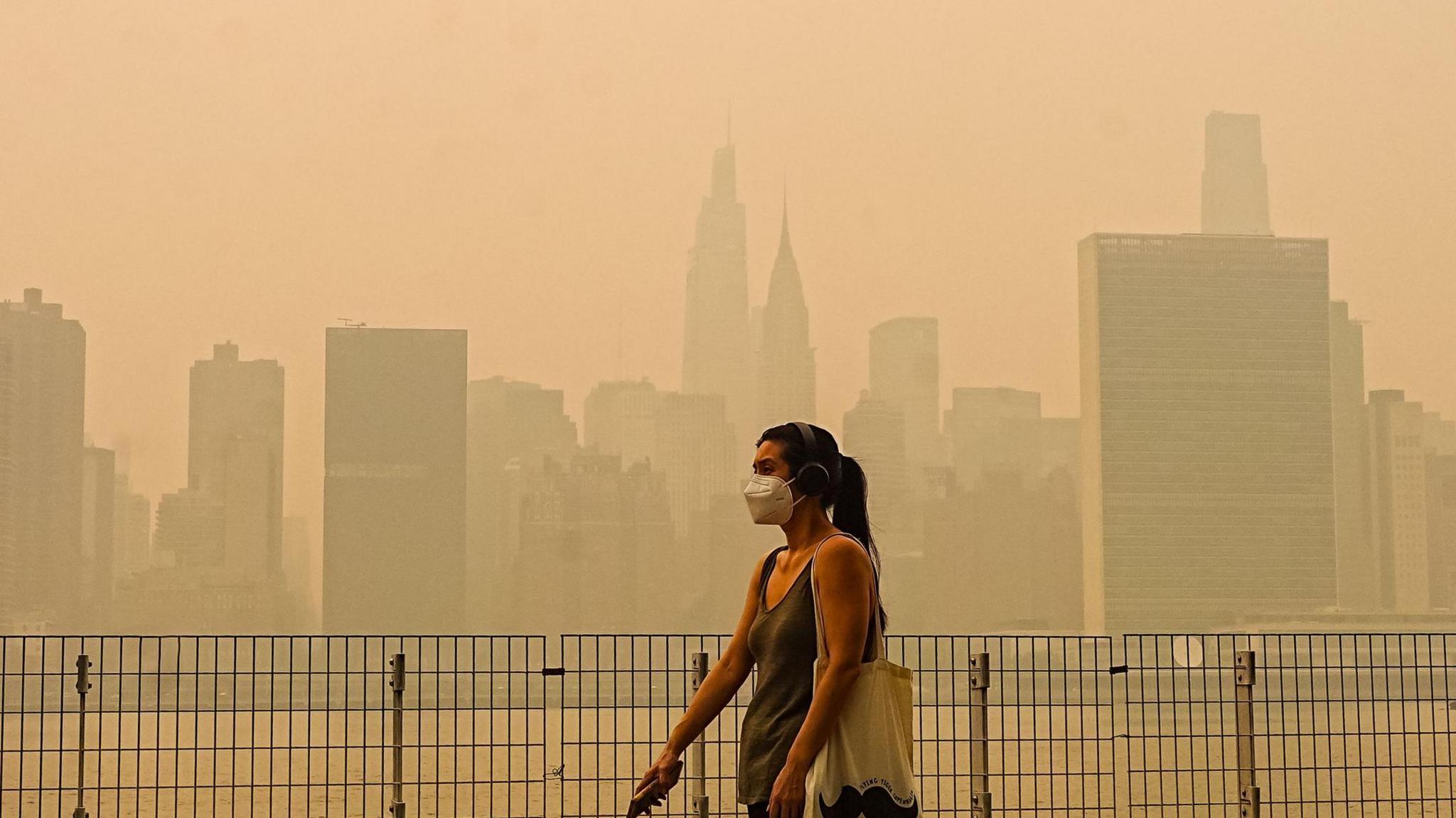
Hundreds of fires in Canada have created a blue‑purple haze that now blankets the sky of several U.S. states, from Minnesota and Michigan to New York and Washington D.C. The smoke has pushed air‑quality indexes into hazardous zones and led to the cancellation of outdoor concerts, sporting events, and even flights at airports with poor visibility.
Trump’s Response
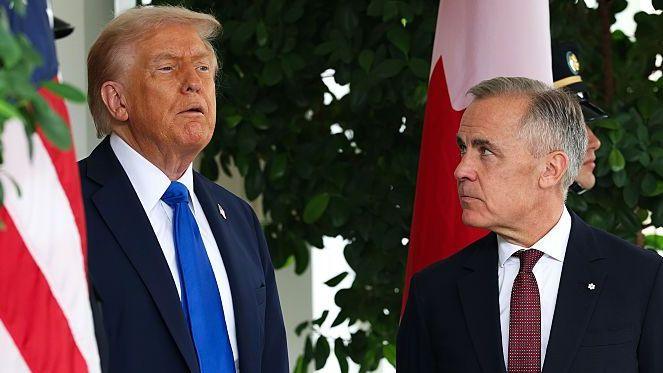
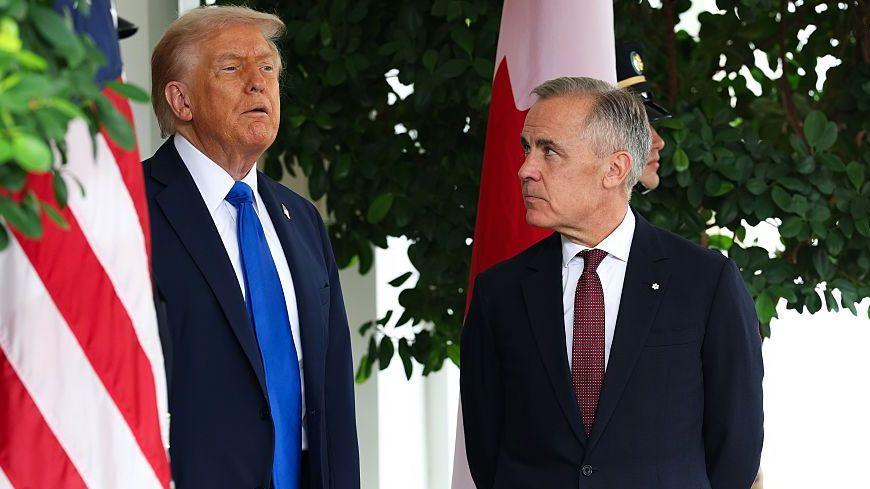
On Truth Social, President Donald Trump threatened to impose new tariffs on Canadian goods, calling the continent “a nation of willful negligence.” The risk of new levies falls on Canada’s already strained trade relationship with the United States, exacerbating tensions that persisted when Trump previously levied duties on Canadian commodities.
Canadian Counter‑Measures
Prime Minister Mark Carney assured America that both countries are “working together” under the 1982 reciprocal firefighting agreement and a new partnership that emerged at the G7 summit in 2025. He emphasised the effort Canada has invested—about C$12 billion—to forest management and fire prevention.
Ontario Premier Doug Ford criticised political rhetoric, urging U.S. lawmakers to focus on cooperation. He highlighted that Canada has historically supported U.S. wildfire responses in California and hurricane aid in North Carolina.
Impact on Residents
In northern Ontario, several First Nations communities were forced to evacuate, with some residents describing their villages as “burnt to ashes.” People in New York City reported that the haze had “blocked views of the Empire State Building and the Statue of Liberty.” Citizens across the region were advised to stay indoors, with free mask distribution in many areas.
Broader Implications
The fires and their smoke exacerbated the already fragile situation surrounding the World Cup final held at MetLife Stadium. Officials are monitoring air quality to ensure safety for the event’s attendees.
Experts say the intensity of the blazes is linked to sustained hot weather and reduced rainfall in late June, emphasising that climate change is producing hotter, drier conditions that enable fires to spread more easily. While several fires were lightning‑initiated, the widespread, out‑of‑control blaze largely reflects ecological conditions and programming gaps in forest management.
Human Health Warning
Health authorities have issued warnings, reminding the public that inhaling wildfire smoke can have serious respiratory effects. Air‑quality alerts were triggered in multiple U.S. cities, and many have seen traffic delays and flight cancellations.
International Responses
Canadian, U.S., and global bodies are engaging in urgent conversations. Canada continues to send firefighting crews and water bombers to the North as the fires blaze, while U.S. federal lawmakers seek direct involvement… The cross‑border partnership may need significant reinvigoration as the situation remains volatile.