Trump’s ‘Economic D-Day’ against Iran
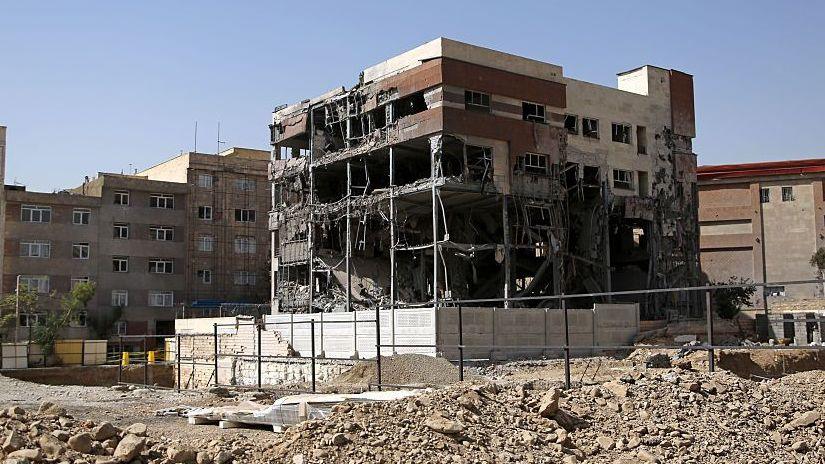
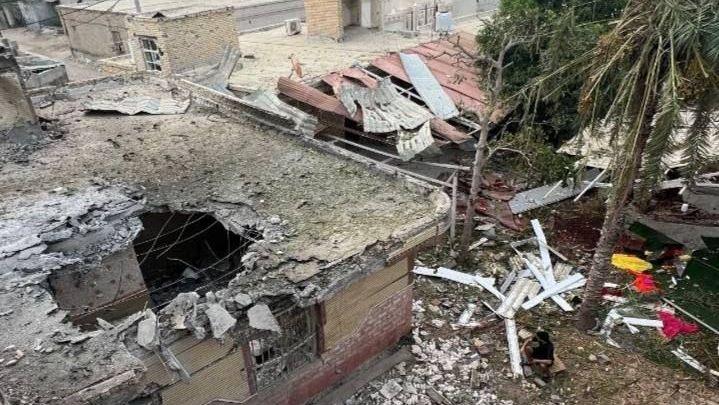
Nearly six months after President Donald Trump vowed a swift victory over Iran, the conflict now appears to be at a stalemate. Military options no longer yield a clear outcome, prompting Washington to mount a new kind of pressure.
The administration’s new stance is a sweeping “economic D-Day” that will impose severe penalties on any nation—friend or foe—doing business with Iran. Treasury Secretary Scott Bessent told CNBC that the United States would make room for no loopholes in trade or finance. “If you insist on doing business with Iran, we will use the full might of the treasury against you,” he said, adding that a future briefing on 24 August would reveal the specifics.
Vice‑President JD Vance framed the move as a “new phase” in the conflict, arguing that economic pressure is the only viable lever left. He added that the United States would keep applying this pressure until the final objective—a functional halt to Iran’s international dealings—is achieved.
The Iranian regime is no stranger to sanctions, having faced U.S. economic restrictions since the 1979 revolution and a renewed crackdown following the 2015 Joint Comprehensive Plan of Action withdrawal. The current campaign, dubbed Operation Economic Fury, veers between Treasury‑led sanctions on financial flows and a potential naval blockade of Iranian ports.
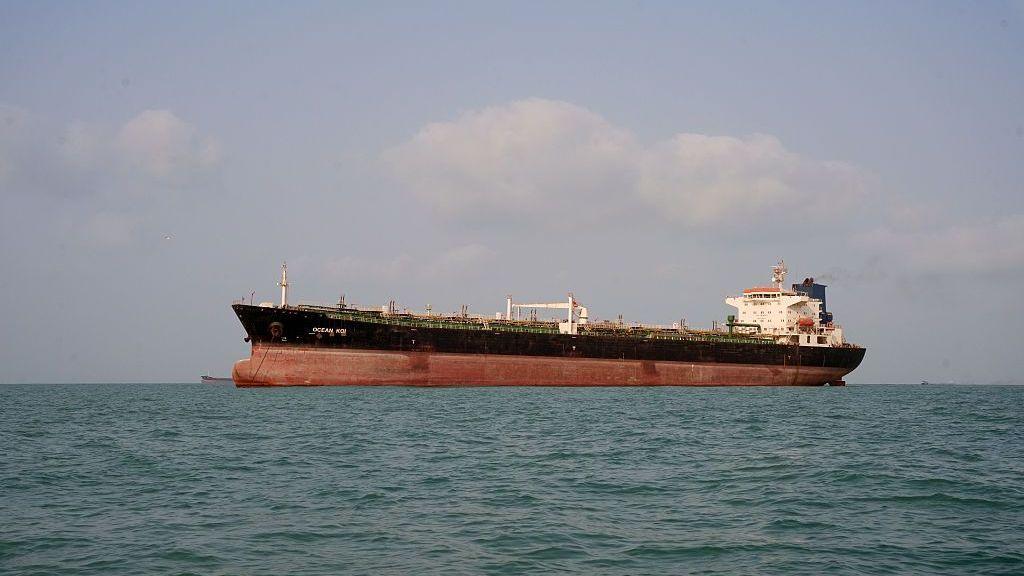
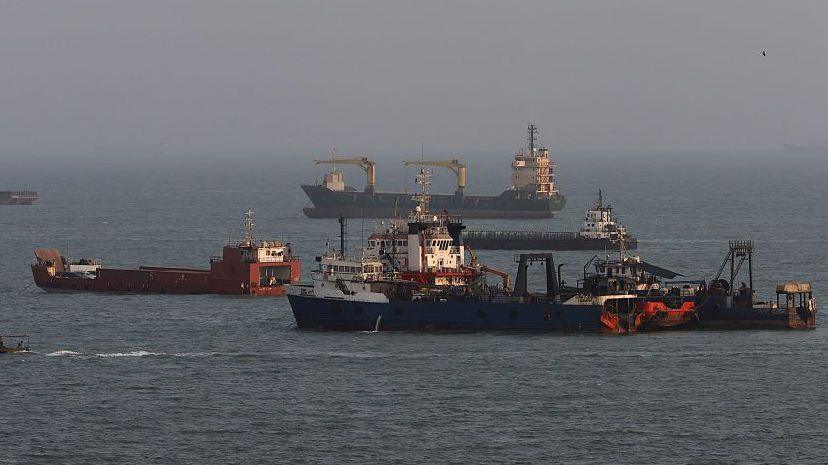
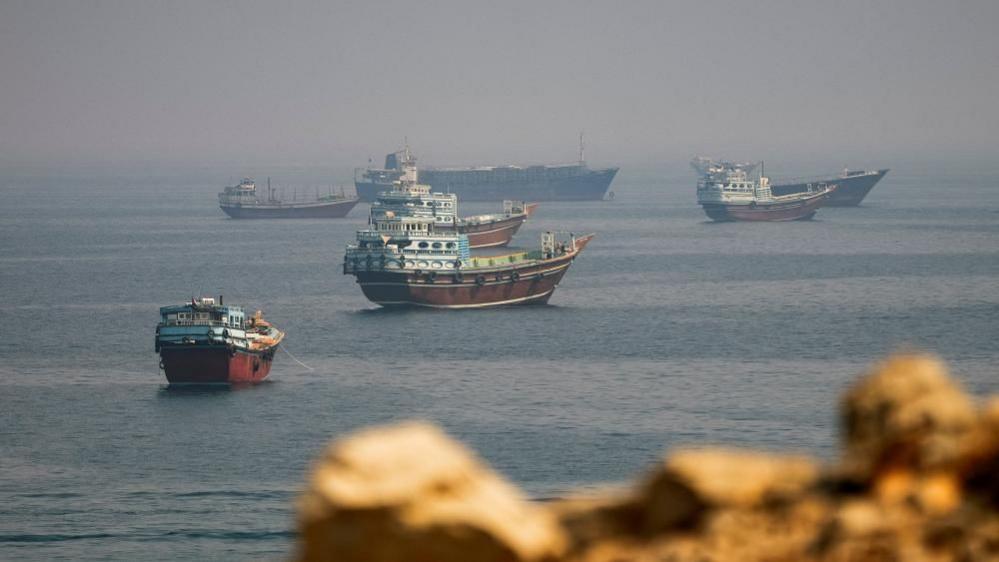
Experts warn that Iran’s long‑standing adaptability may blunt the impact of these measures. Mohammed Hammouda of the London Stock Exchange notes that the regime continually discovers new fronts—shadow vessels, undisclosed commercial entities—circumventing the U.S. list. The bottom line, he says, is that sanctions are “all on paper”; the hard work lies in enforcement and sustained pressure.
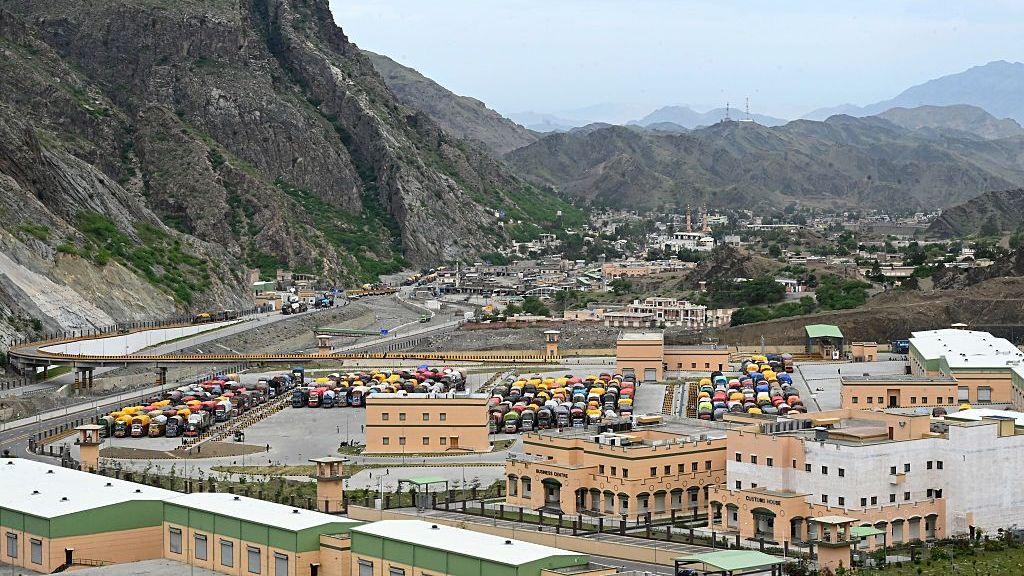
The real question for Washington is how allies will react. If countries such as Turkey, Iraq, and especially China comply with the new sanctions, the economic blast radius will widen. However, the willingness of these partners to curtail their trade with Iran is uncertain, and many observers speculate that the U.S. risk of diplomatic fallout may outweigh the potential gains.
In short, Trump’s economic force‑push represents an attempt to change the calculus by targeting not only Iran but its global supporters. Whether the move finally forces a change in Tehran’s policy or just deepens global divisions remains to be seen.