Trump’s Presence Overshadows NATO Summit as Europe Re‑arms
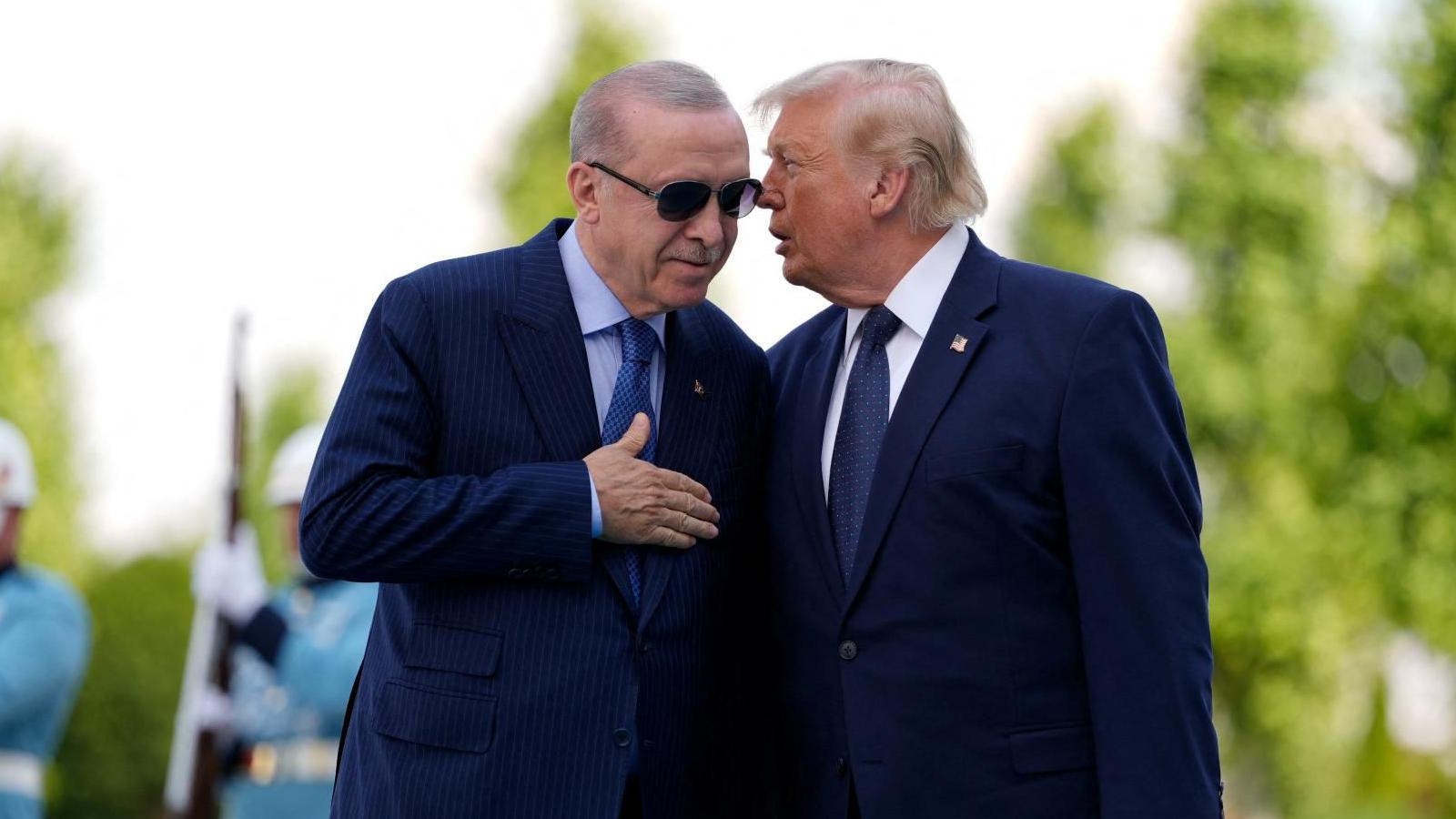
The NATO summit closed the year in Ankara with an unexpected star‑studded weather‑event: former US President Donald Trump rolled into the ceremony. The former commander‑in‑chief of the US military, a figure who openly laments NATO’s effectiveness, received a personalized welcome from Turkish President Recep Tayyip Erdoğan at the airport. The former president then made a series of remarks that captured headlines: at once he reiterated his opportunistic interest in Greenland – a Danish territory – and became openly critical of Britain’s decision to deploy troops in strikes on Iranian missile sites.
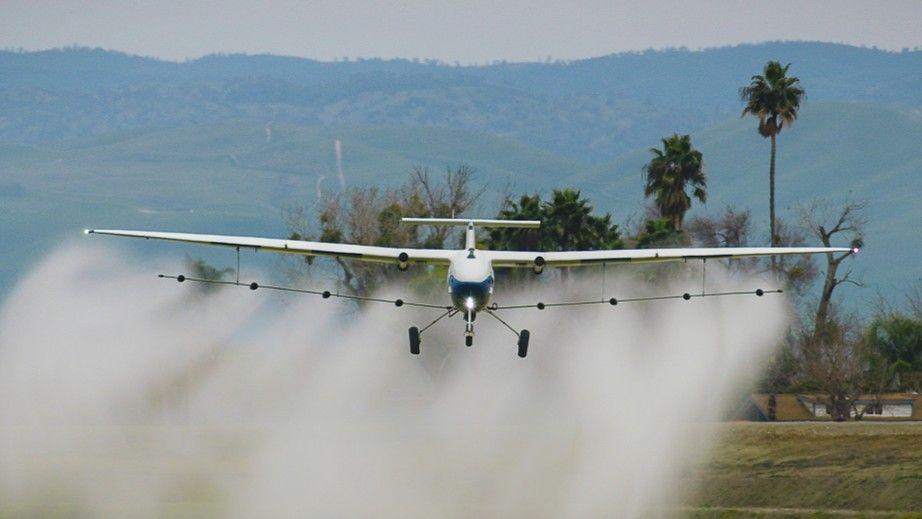
While the splattery of personal diplomacy laid a flashy backdrop, the summit’s substantive agenda progressed in earnest. NATO delegates struck deals on critical refreshes of their fleet: a new line of transport jets will be produced by Airbus for the alliance, and the ageing AWACS (air‑borne warning and control system) fleet will be replaced by Sweden’s Globeye contenders. These decisions broaden the continent’s defensive reach while anticipating future friction with Russian missile capabilities.
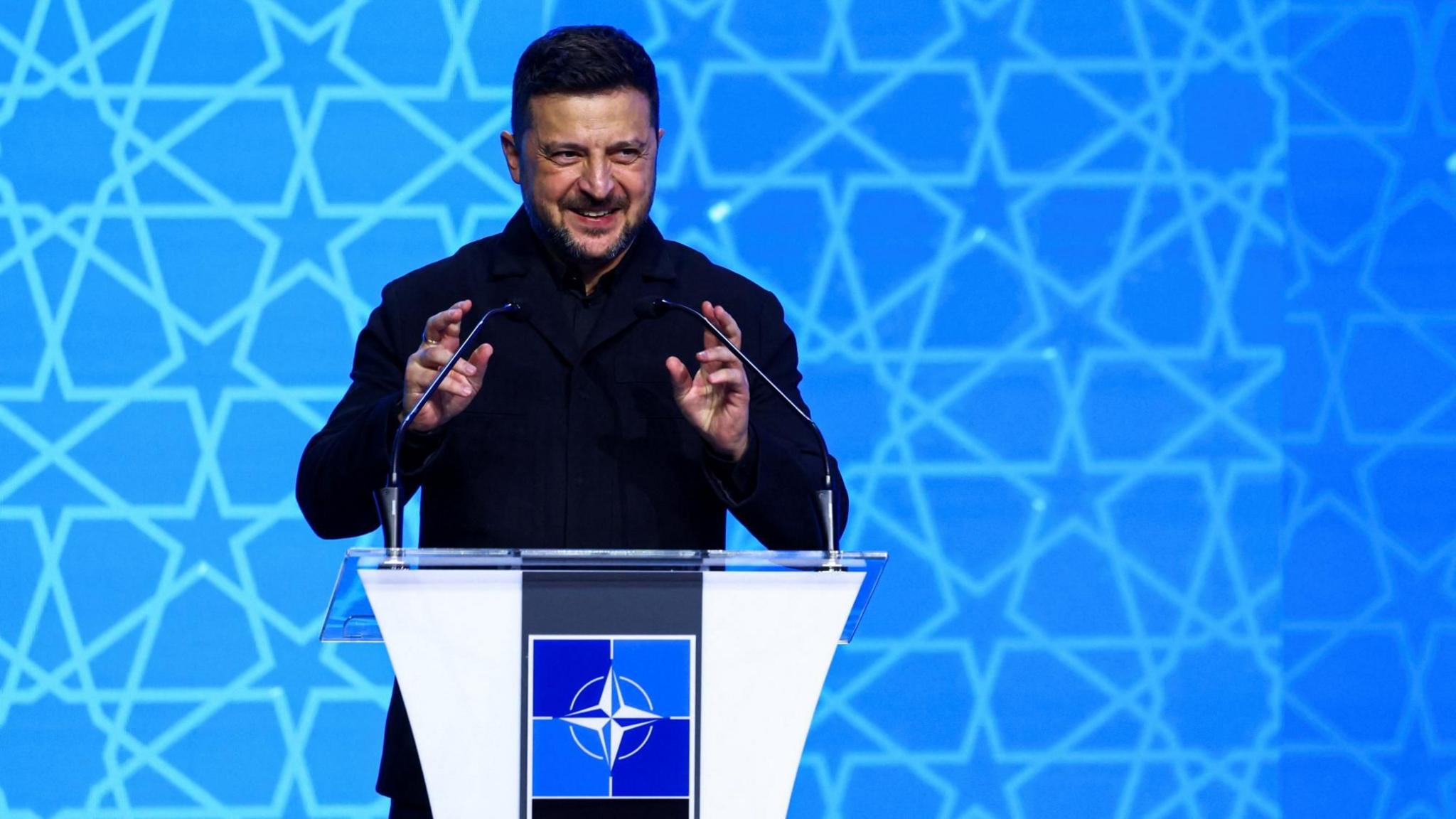
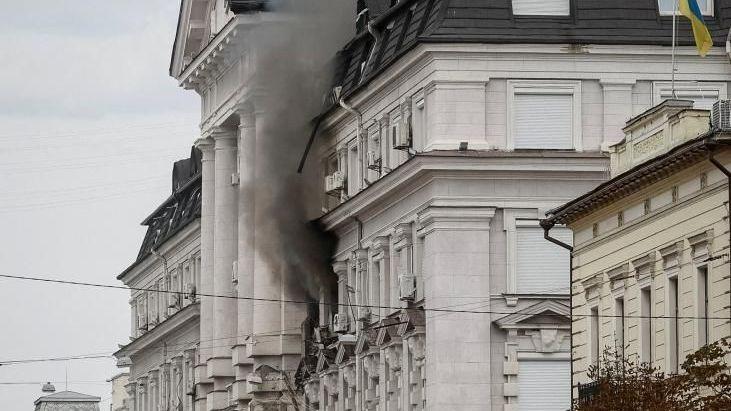
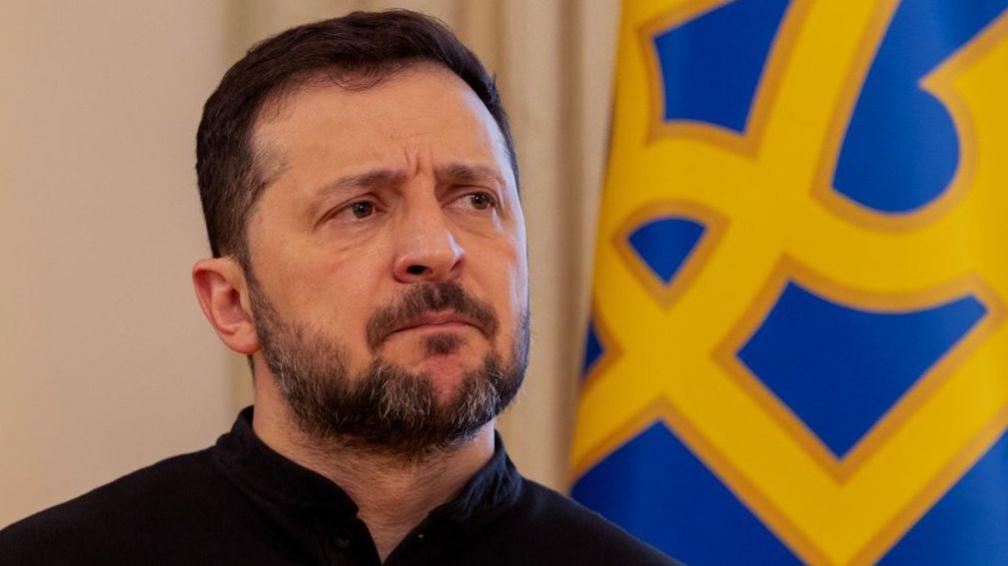
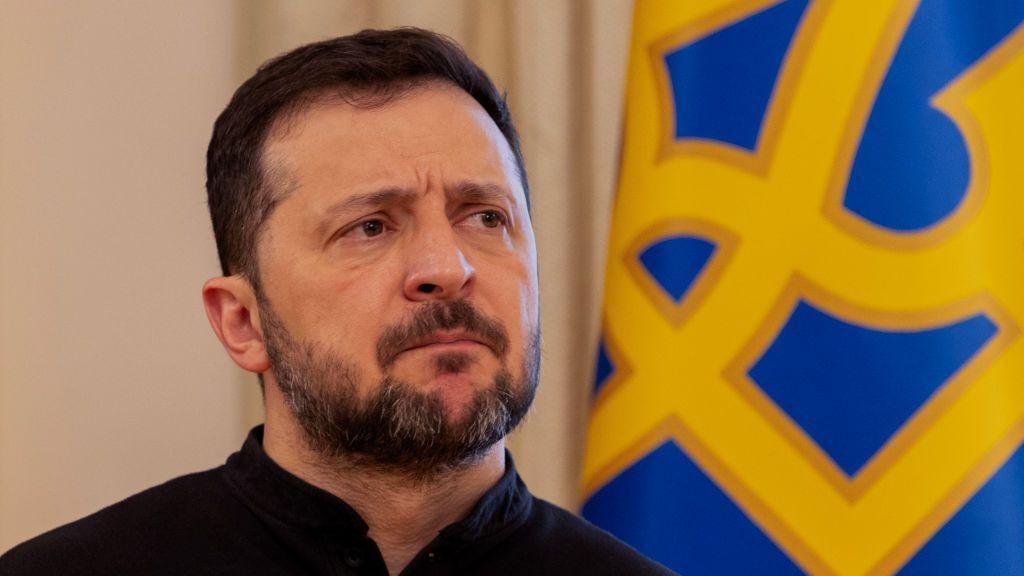
Président Volodymyr Zelensky of Ukraine also sat in Ankara, and he used the platform to petition for an affordable, mass‑produced anti‑ballistic missile system. He cited ongoing Russian attacks that have trapped civilians in Kyiv’s residential areas and the acute shortage of interceptors. Zelensky warned that Europe should act quickly: “This cannot wait until 2030 or beyond. We need a system available now” he said.
Europe’s leadership under the British, French, and German governments pledged to collaborate on new defence projects, though Chancellor Merkel’s plan for the British defence budget was under scrutiny. The meeting also discussed the decline of US defence funding to the alliance, raising fears that a rapid rearmament could give Russia a threat to NATO territory within the next decade.
Trump’s brief foray into Ankara left a lasting impression. His comments on Greenland and Russia raised diplomatic tensions, while European jets swept overhead, painting a scene where prestige and paranoia overlapped. As the world watches the next steps of NATO’s strategic planning, leaders of the alliance remain focused on the necessity of deploying advanced air‑defence and sufficient resources before the new threat landscape threatens to destabilise the continent’s security architecture.