Trump Repackages Its Bid to Strip Birthright Citizenship with New Executive Orders
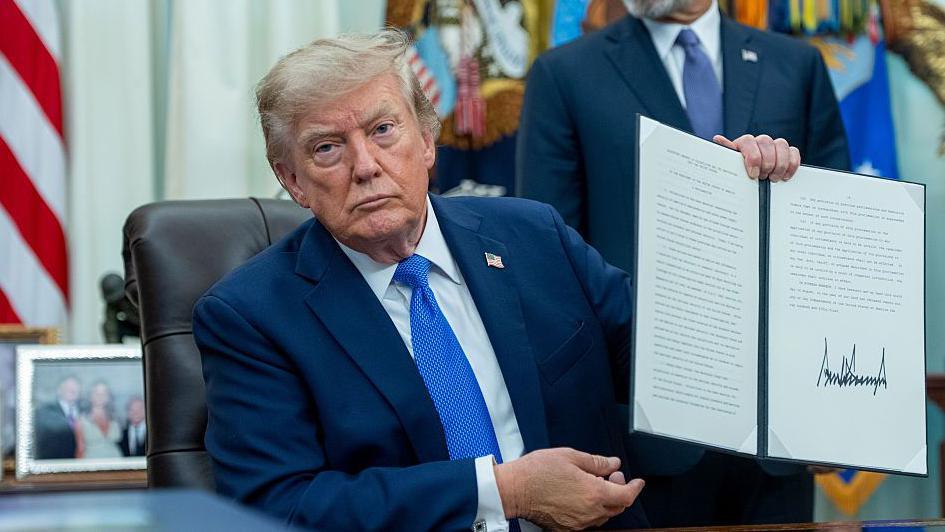
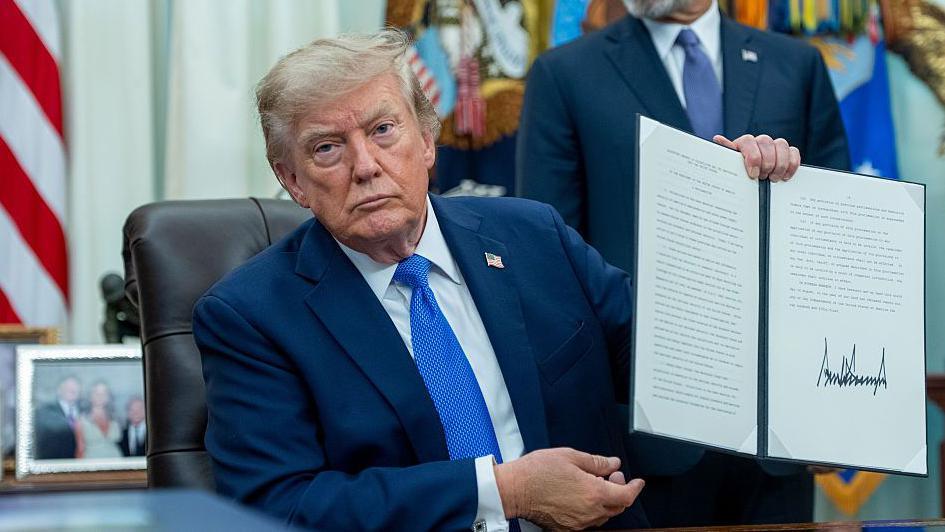
On Thursday, President Donald Trump reiterated his long‑standing resolve to limit birthright citizenship in the United States, signing two executive orders that expand the roster of non‑citizen parents whose children are excluded from automatic citizenship and outlaw the practice of birth‑tourism.
The first order extends the current criteria to flag parents who are members of foreign terrorist groups, federal government employees with foreign ties, individuals who have obtained citizenship fraudulently, or those residing in U.S. territories where citizenship isn’t granted by statute. The second order prohibits women who enter the U.S. as tourists solely to give birth and secure automatic citizenship for their children.
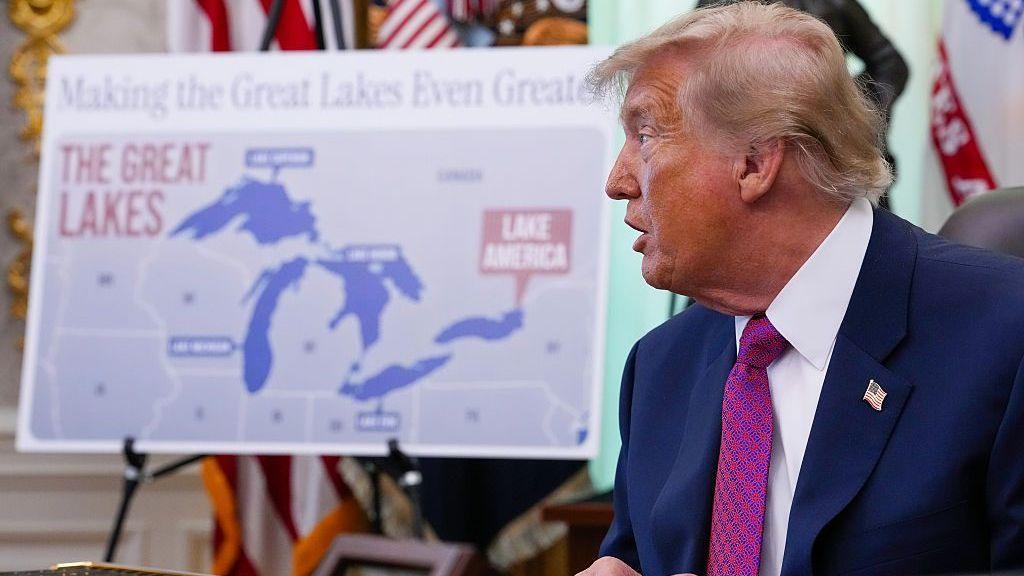
“This should have happened years ago, but we’re taking care of it now,” Trump told reporters from the Oval Office, criticizing the Supreme Court’s June ruling that upheld the 14th Amendment’s birthright citizenship provision.
White‑House aide Stephen Miller, who helped draft the orders, stated that the president has the authority to ban birth‑tourism under a section of the Immigration and Nationality Act that allows executive action to impose exceptions on who can enter the country.
The latest orders arrive less than a year after the Supreme Court overturned Trump’s 2025 attempt to tinker with the constitutional citizenship guarantee. The court said any policy that tried to strip that right was invalid, a decision Trump denounced as “a bad decision, very unfair.”
Legal scholars note potential constitutional conflict. Professor Gabriel Chin of UC Davis School of Law cautioned that while the executive could restrict “birth‑tourism” admissions, it cannot later reject citizenship once a child is born in the U.S. He described birth‑tourism as a “drop in the bucket” relative to the millions of births in the country.
Statistical analysis from the Migration Policy Institute suggests between 22,000 and 26,000 U.S. births annually are linked to birth‑tourism. In 2024, the institute counted 9,600 births to mothers with foreign addresses, a figure that underscores the complexity of the issue at hand.
The executive orders have sparked immediate political and legal reaction. Many view the measures as a reactionary approach to immigration, while others argue they’re necessary steps to safeguard National Security and protect the integrity of U.S. citizenship.
Learn more about the Supreme Court's ruling.