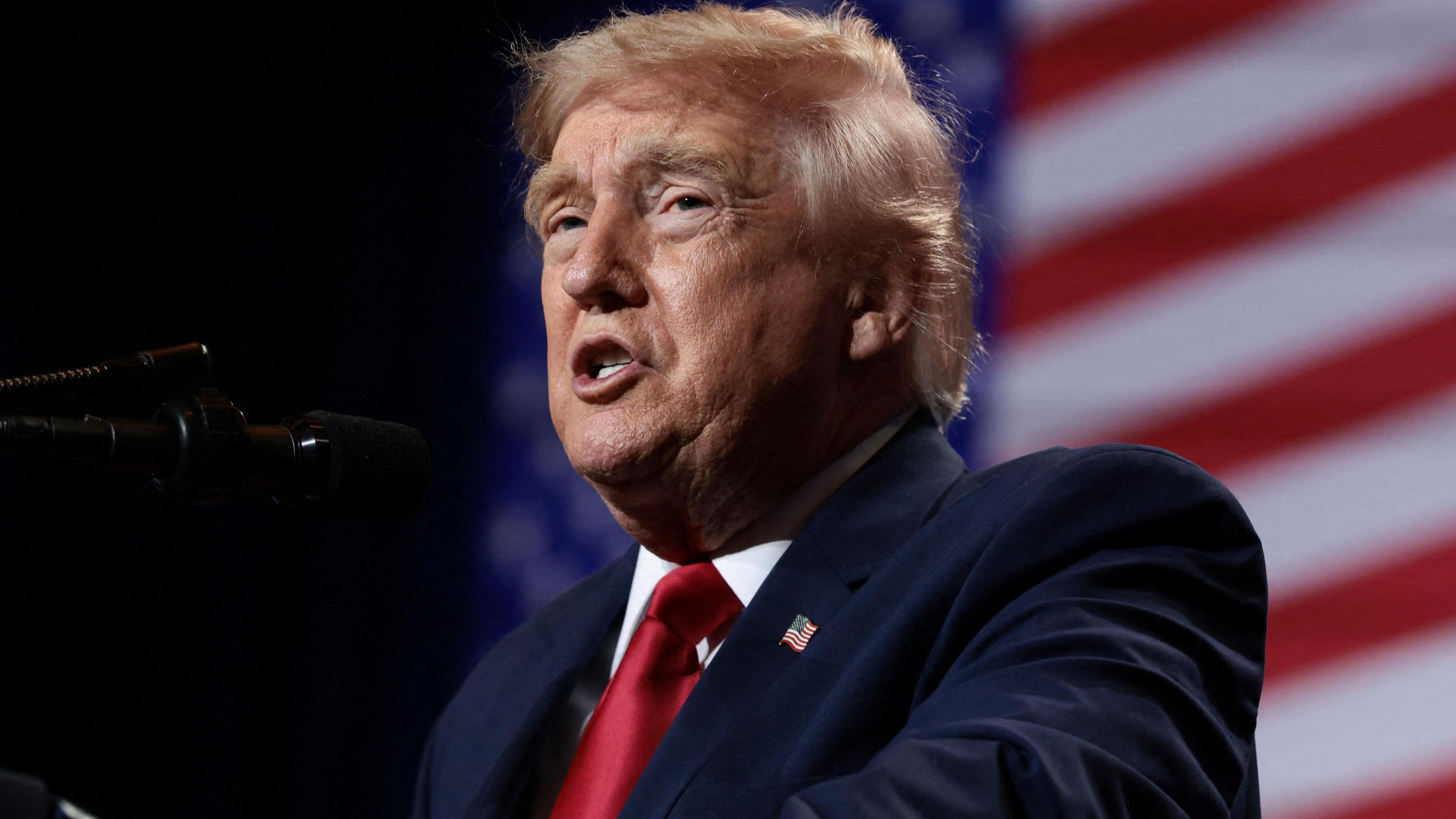
President Donald Trump took the stage at the White House Correspondents’ Dinner, which had once again been held after a tragic shooting in April that had cut the first event short. He opened with a nod to the iconic “show must go on” mantra, claiming that the second dinner was better and that the press was, in many ways, the backbone of American democracy.
While peppering his speech with friendly jabs toward several prominent journalists, Trump didn’t shy away from calling allegations of “fake news” at the forefront of his message. He warned of what he called “Trump Derangement Syndrome” among his audience, a sardonic note that was meant to preempt the media’s scrutiny of his administration.
The president also hinted at future plans for a 2028 run, noting that “there’s not going to be anyone to report on” if he leaves office, and issued a veiled threat to revoke licences from networks that did not carry his stories about election security.
Security at the dinner was more intense than the April outing: guests were screened with QR codes, ID checks and wristbands, and a two‑block cordon was set up around the Washington Hilton to keep the event safe. The crowd, reduced to about 700 from over 2,000 in April, remained a mix of reporters and senior White House officials.
Despite the tension, Trump framed the evening as a celebration of free speech, saying that the country’s wounds could be healed through “open and vigorous debate” rather than “bullets.” His tone wavered between mockery and admiration, as he alternated between joking at the press and praising their achievements, such as the Wall Street Journal’s coverage of the former financier Jeffrey Epstein.
The dinner’s closure set the stage for the next year’s event, slated to repeat the April venue. As the White House and media continue their fraught relationship, this night added another chapter to the tale of dialogue, dissent, and diplomacy.