Trapped by Their Voice: Indian Protester Women Lose Freedom to Online Abuse
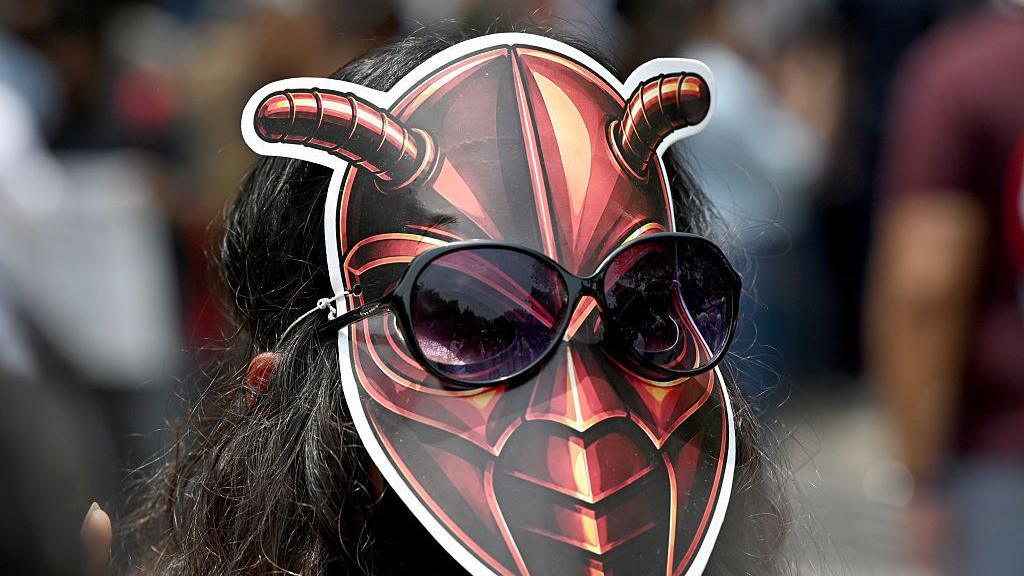
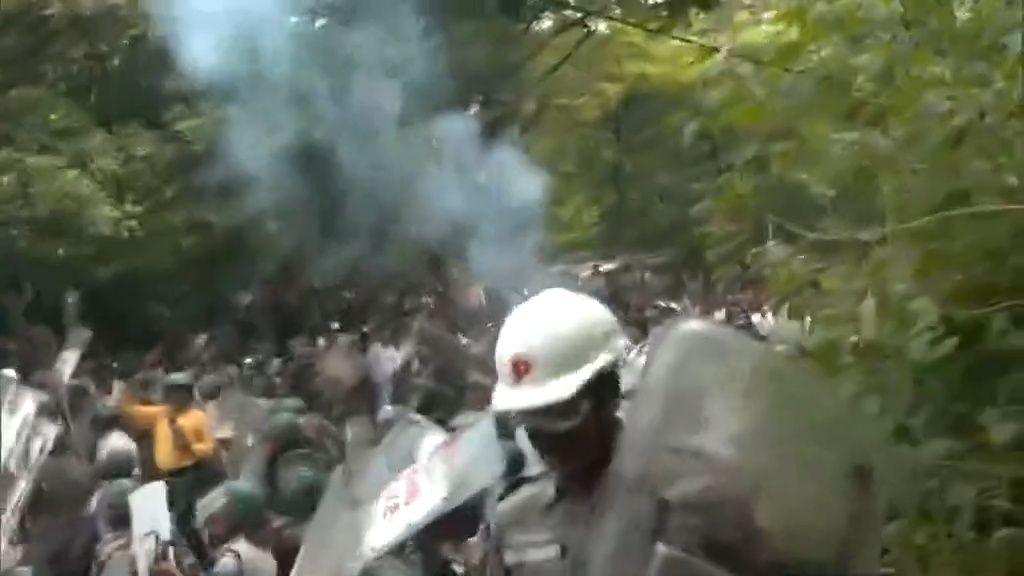
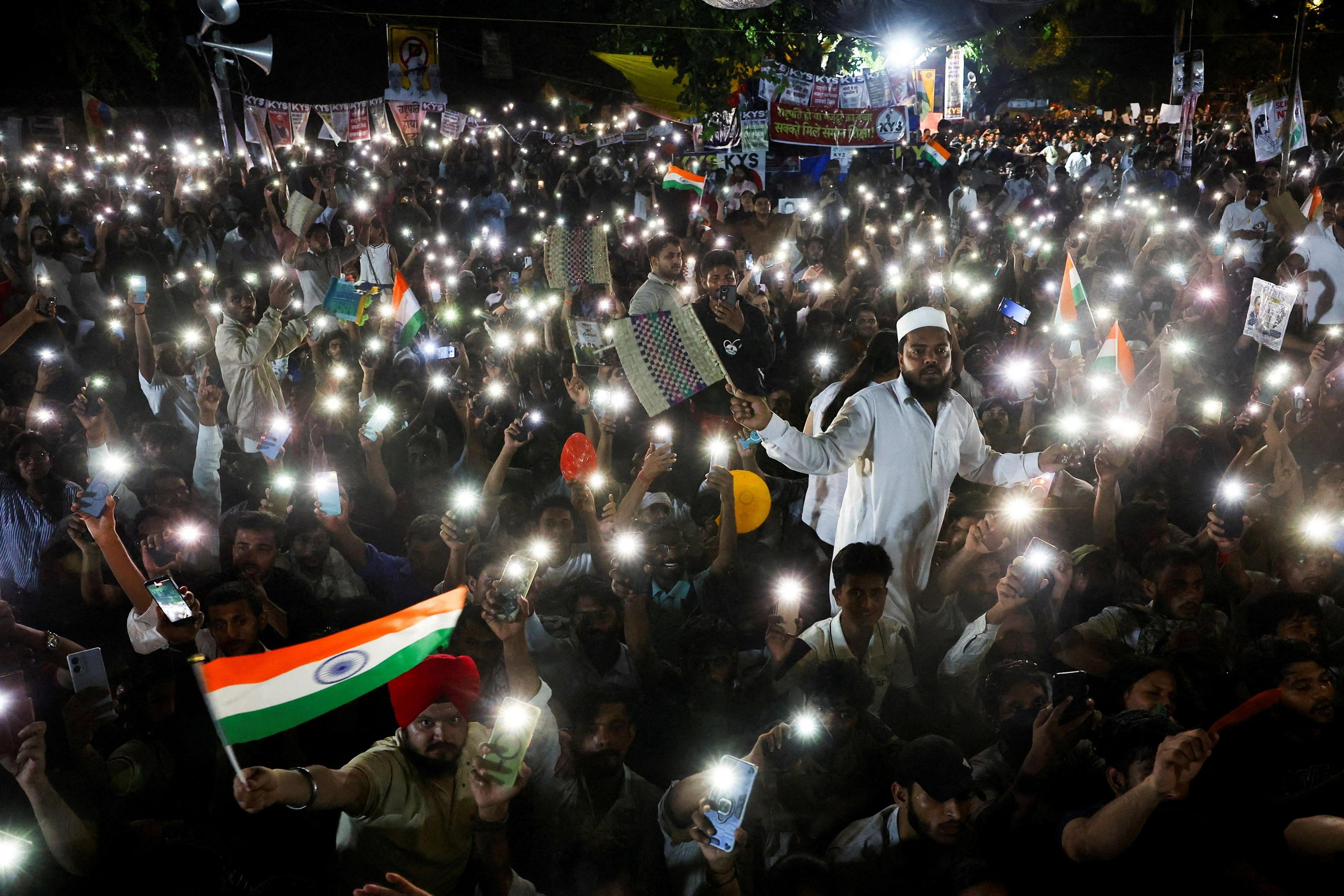
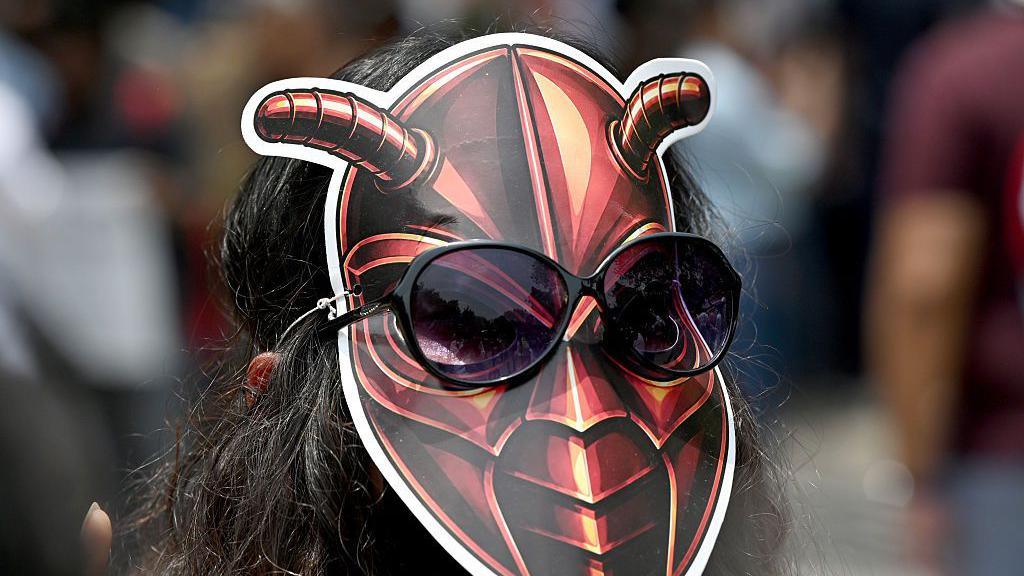
The young, meme‑driven movement that emerged in New Delhi, known as the Cockroach Janta Party, sent a flurry of Instagram reels, sarcastic videos and protest songs across the internet. While the movement succeeded in forcing the resignation of India’s education minister, every post also carried a hidden cost for the women who thought they were simply sharing a slice of reality.
Seven anonymous women, all in their mid‑20s, later described how each message and comment pushed them toward the brink. They received threats that ranged from implied threats of rape to explicit demands that their mothers be punished if they continued to speak out. Young activists had to delete dozens of posts and set their accounts to private in a bid to evade followers who stalked their personal information.
One content creator, once content on smiling‑face memes, shared that “I was slut‑shamed and attacked for questioning the prime minister’s statements.” She recalled the flood of messages that “kept coming” despite her attempts to block further contact. Another fevered trend was a viral editing page that “morphed my images and branded me an anti‑national and a terrorist,” increasing the risk of real‑world consequences.
These experiences, while instantaneous on the screen, echoed in families and friends: parents received alarming phone calls asking them to delete videos or confront legal threats. The repetition of a hate‑campaign that explicitly highlighted the women’s sexuality was a stark reminder that gender plays a central role in online harassment. Men who posted similar videos often faced much less scrutiny, confirming that the bias persisted wherever opinions diverged from the mainstream.
Even as the protests subsided, the damage lingered. Several activists opted to erase their content, rename their accounts and actively limit their digital reach. Their stories reveal a new type of civil warfare: the exchange of viral images and memes that turn an online presence into a security threat.
Defending the right to publish protest footage in an age of instant sharing demands a re‑examination of how digital platforms handle abuse, and how the state protects those targeted by vicious campaigns. For these young women, their voices were both a tool for change and a portal to danger, turning verbal freedom into a doorway to exploitation.