In brief
For the first time, nearly ten thousand Punjabi men who served in the British Indian Army and died in WW1 are officially recorded. Voluntary researchers sifted through fragile hand‑written registers in Lahore, uncovering names that had been omitted for decades. The Commonwealth War Graves Commission has now updated its online casualty database to include these men, reflecting a shift toward a more inclusive commemoration of the war. The project highlights the contributions of Sikh, Hindu, and Muslim soldiers that had long been overlooked, and re‑mirrors the complex colonial legacy of WW1.
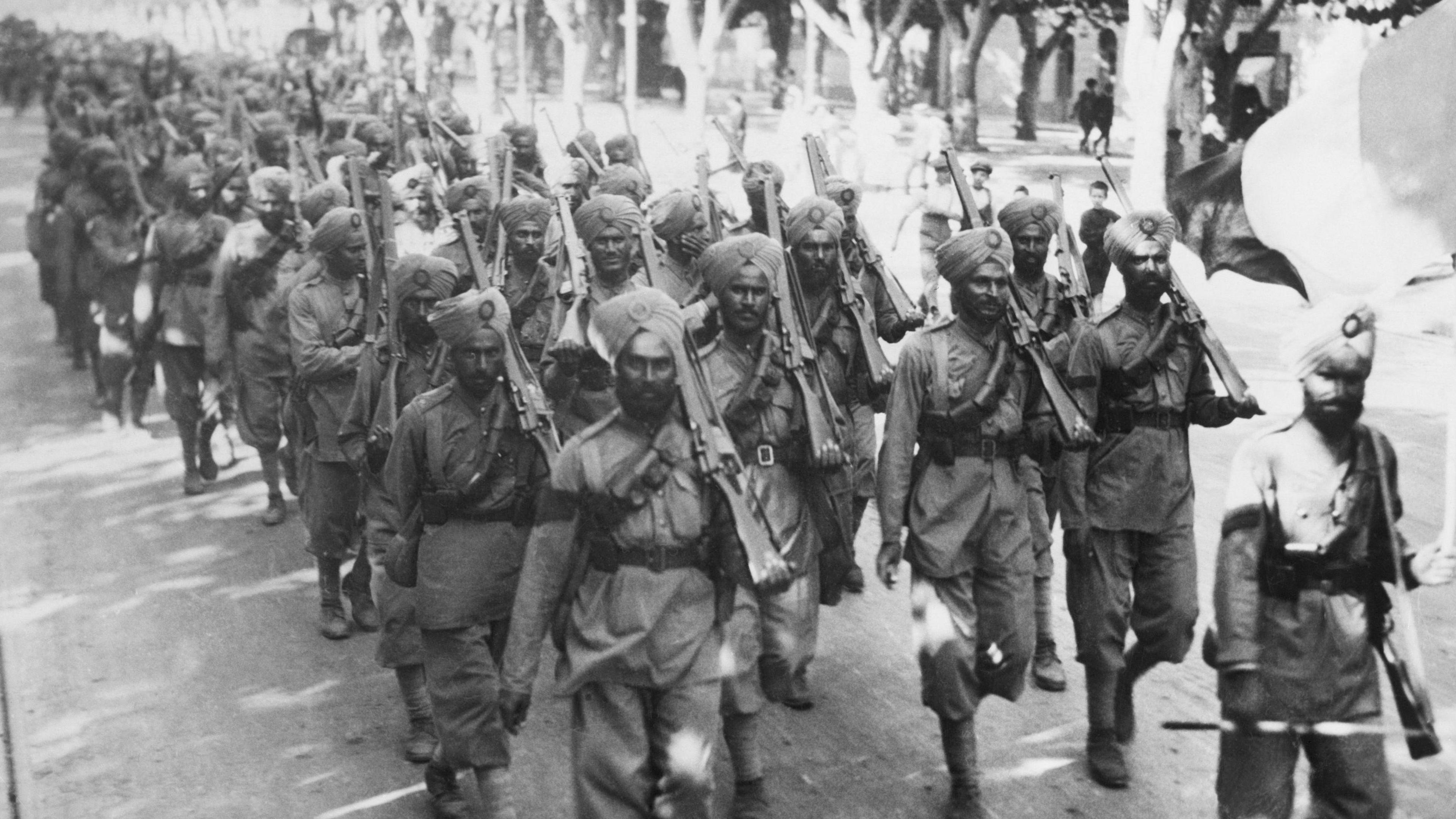
The names of 9,909 soldiers from pre‑partition Punjab, who served and died in World War One, have been added to the Commonwealth War Graves Commission database after researchers uncovered 80‑year‑old records.
UK volunteers spent years cataloguing hand‑written registers from Lahore, Pakistan, detailing the fates of 320,000 servicemen from that state alone. Their work has now led to the official recognition of these forgotten men, many of whom died of injuries away from the front lines.
Sunney Palahey, a Leicester dentist, received the news that his Great‑Grandfather, Kesar Singh, had been found. "It’s been recognised by an authority," he said, "and my great‑grandfather is now an entry in the Commission.">
The updated list reflects a broader effort to correct Euro‑centric views of the war. The CWGC now acknowledges that around 25% of the newly recognised soldiers were Sikhs, 25% Hindus and approximately 40% Muslims.
Jasmin Basra, a PhD student from the University of Greenwich, noted the emotional impact of finding her own relatives on the registers: “It connects me to both Punjab and to British history.”
The effort, built on painstaking digitisation, demonstrates how historical injustices can be redressed through collaboration between volunteers and official bodies.