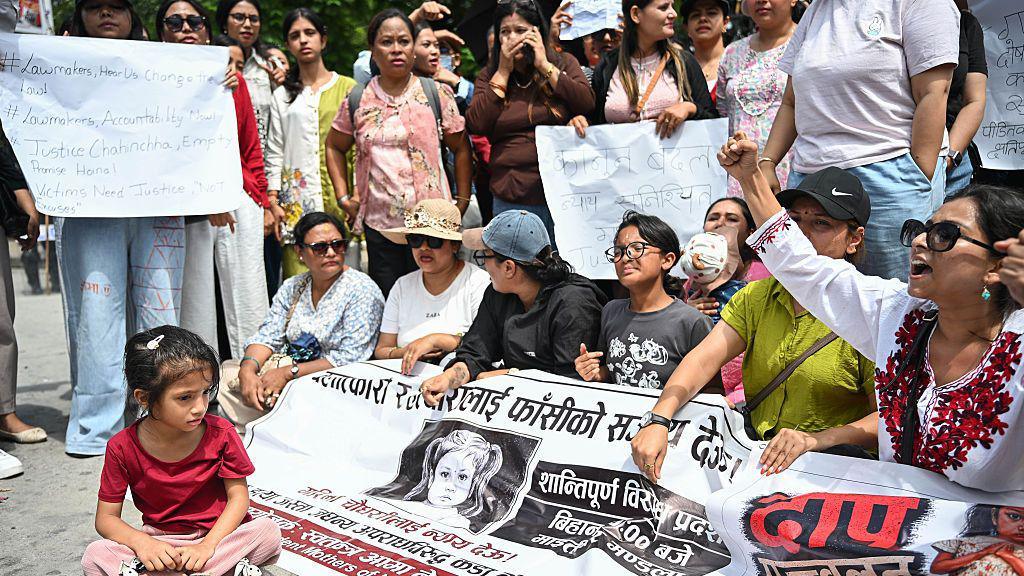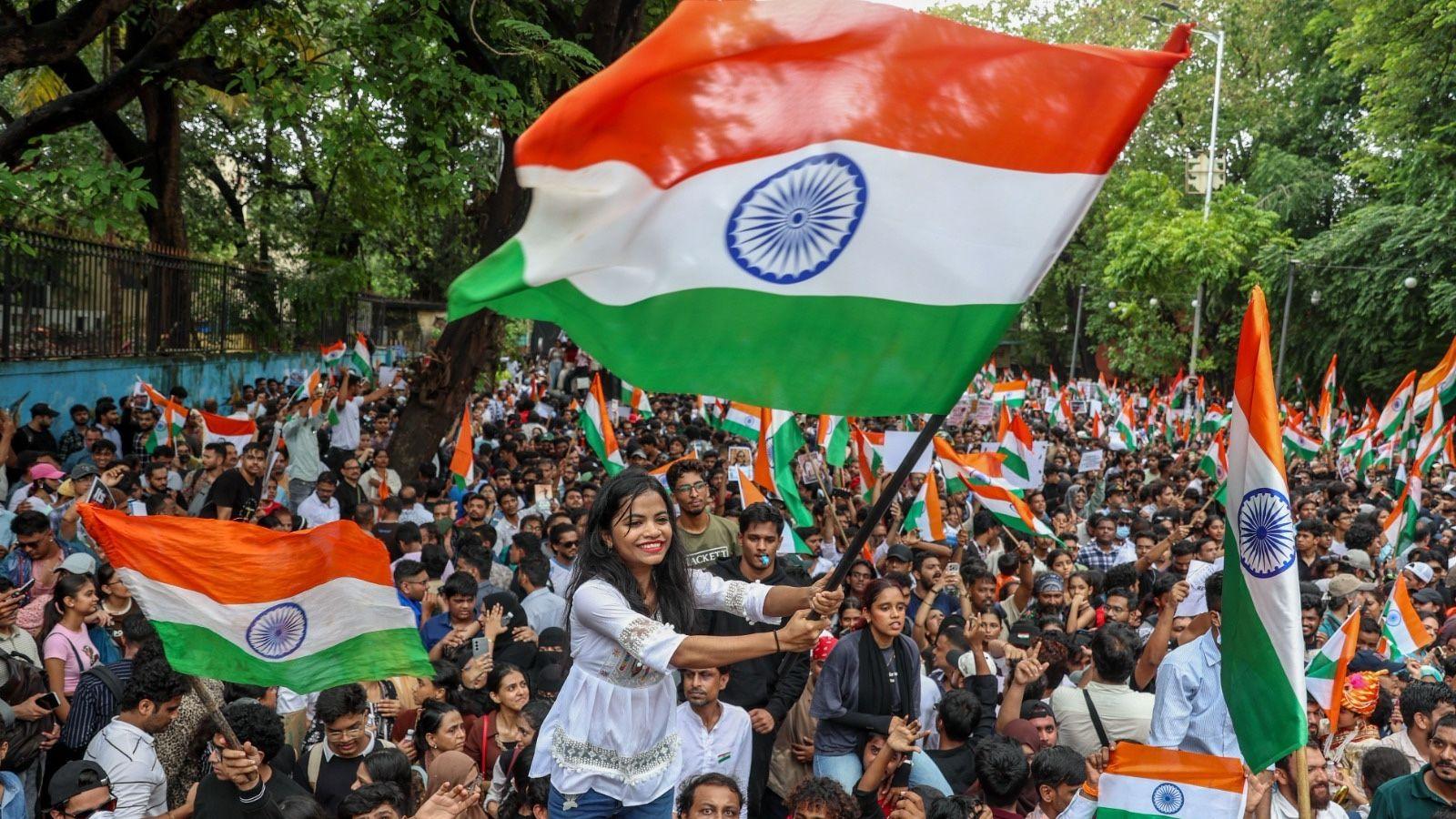
The last week in India saw an unprecedented act of popular dissent – the voluntary resignation of Education Minister Dharmendra Pradhan after a week of relentless street protests that moved across Delhi, Mumbai and Jamshedpur. The teenager‑led movement, powered by viral Instagram reels and a satirical online campaign called the Cockroach Janta Party, exposed a deep‑seated frustration that many young Indians feel when their hard work seemingly collapses under a system of paper leaks, job scarcity and misinformation.
Sakhi, a 22‑year‑old student activist from Delhi, told us that for the first time she felt protest could change the government: “For the first time, it felt like we can make things happen through protests.” Her footage of police assaults and harrowing detentions went viral, turning public sentiment into a movement that no longer felt confined to the margins of mainstream media. It was a stark reminder that social media is not just an echo chamber but a battlefield where the younger generation now stakes its claim.
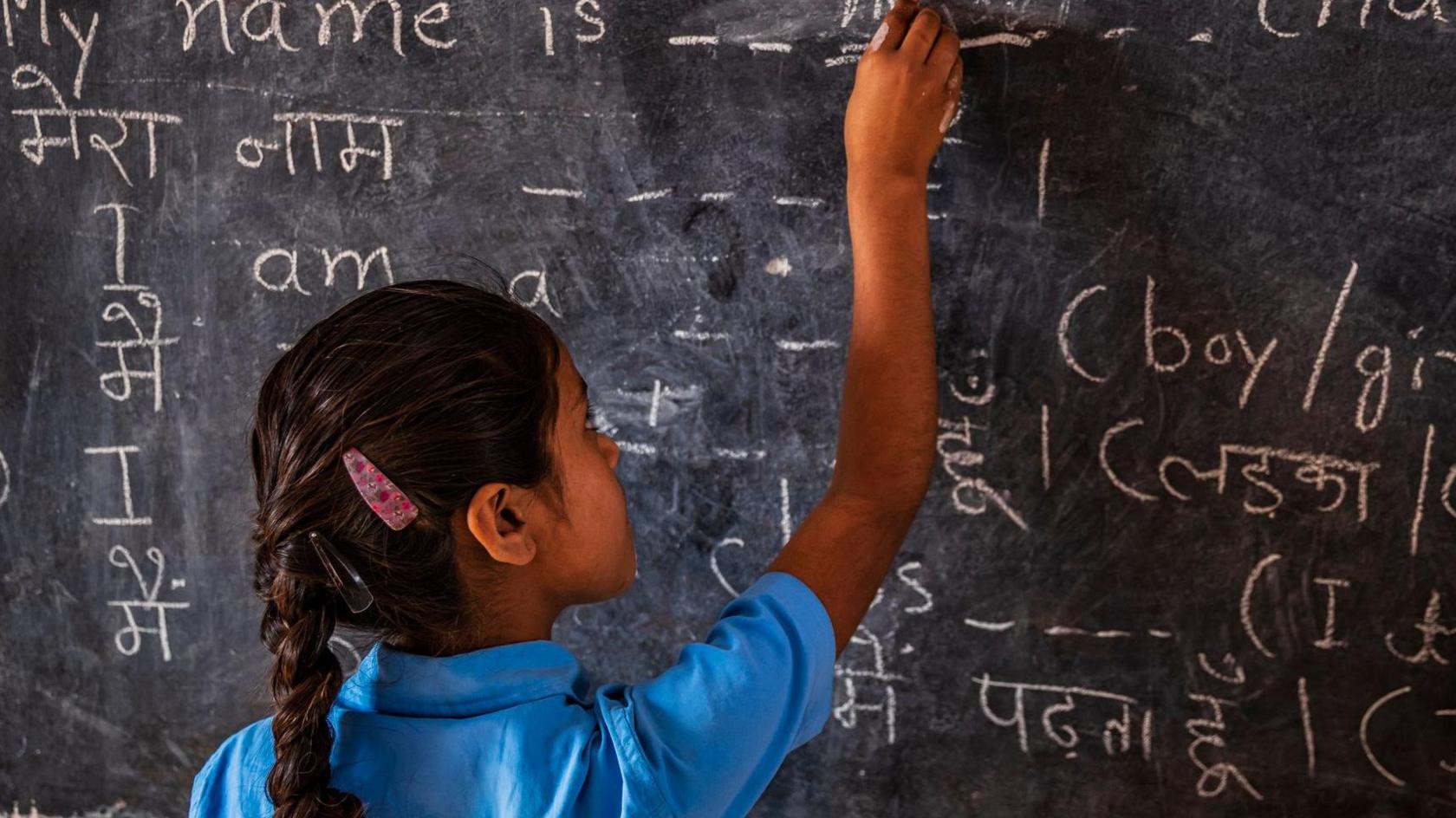
The catalyst for the protests was the sudden cancellation of the National Eligibility Test (NEET) after a leaked paper forced two million students to retake the exam. The ensuing chaos saw more than 20 students die by suicide, and the sweat‑pillowed hope of a generation that had poured months into their future disappeared. The movement’s leaders, such as 26‑year‑old Somaya Korde, a first‑born graduate from a “backward” community, said the leak shattered trust in the system that promised that hard work would be rewarded.
On the ground, protestors rallied across cities. In Mumbai, a video of a police officer threatening to frame an 18‑year‑old protester in a false drug case grabbed ten million views on Instagram. The constable was later suspended, yet the incident underscored that law enforcement is still viewed as an adversary by the new generation of dissenters.
The cracks in the Indian economy are evident – unemployment among 15‑29‑year‑olds jumped to 16.2% in the latest government figures, while only 7% of job seekers secure permanent salaried positions within a year, according to a 2026 Azim Premji University study. These statistics are a backdrop to a protest movement that steadies on the idea that ‘business as usual’ is no longer an option.
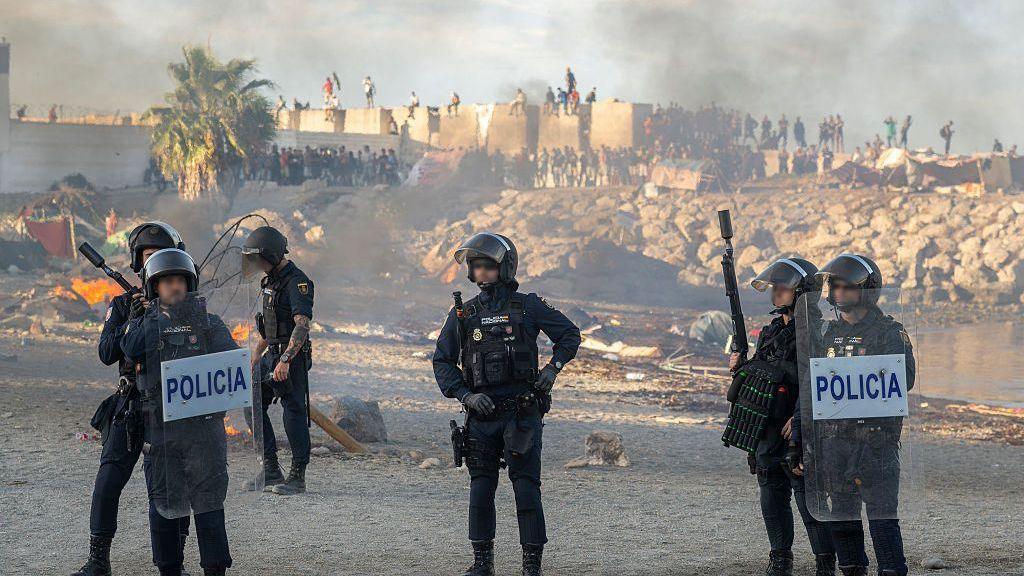
Policymakers responded with a narrative that the government remains in control: a senior ministry official once boasted that “resignations do not happen in our government,” a statement that was instantly flipped into a meme by the youth. Meanwhile, the police arrested more than 40 protesters on charges ranging from attempted murder to assembly in violation of public order.
The government’s eventual concession – Pradhan’s resignation – has not ended the drama. Politicians across the country are already adopting lines that point to Modi himself as the next target. Meanwhile the justice sector is watching closely, as noted by Human Rights Watch, which warns that on the Modi regime tolling counterterrorist and hate‑speech laws routinely stifled truth‑tellers and activists.
Against this backdrop, the future of Gen Z in Indian politics is complicated. Some voice hope that the movement will open spaces for genuine dissent. Others predict a “witch hunt” for those on the other side of protest demands, with anticipatory bail sought for fears of arrest. The movement’s raw energy and belief that “we do not have jobs” is a message that will not be silenced by the government’s call for calm. In the coming weeks, it remains to be seen whether this new youth-led agitation will translate into policy changes or simply the next wave of heated discourse.